How to Reduce Pilling in Activewear: Fabric, Construction and Testing
“Anti-pilling” is not a complete fabric specification. If pilling resistance matters to an activewear collection, the brand should define the exact finished fabric, test method, test condition and approval requirement before bulk production.
Fiber composition alone cannot tell you whether leggings, sports bras or training apparel will pill. Yarn structure, knit construction, surface finishing, garment fit, laundering and repeated friction all influence the final result.
Why does activewear pill, and how can a brand reduce the risk?
Pilling begins when repeated rubbing loosens fibers at the fabric surface. Those fibers can entangle and form small pills that remain attached to the garment.
Brands can reduce the risk by selecting an appropriate fiber, yarn and knit construction; reviewing high-friction garment areas; controlling surface finishing; testing the exact production-intent fabric; and evaluating the finished sample after relevant wear and laundering conditions.
A laboratory pilling result provides useful controlled evidence, but it does not guarantee that every finished garment will remain pill-free in real-world use.

1. What Is Pilling in Activewear?
Pilling is the formation of small fiber balls on a textile surface after repeated rubbing and wear. For a brand, however, the important question is not simply what pilling is—it is whether the exact finished fabric will maintain an acceptable appearance in the intended garment.
The process often begins with surface fuzzing. Loose fiber ends move outward from the yarn, repeated friction causes them to entangle, and some remain anchored strongly enough to form visible pills.
Will this exact finished fabric maintain an acceptable surface appearance in the product, fit and wear conditions we are designing for?
“Anti-Pilling” Does Not Mean “Will Never Pill”
Suppliers sometimes describe fabrics as “anti-pilling,” but the phrase alone gives a buyer very little technical information.
A useful requirement should identify the actual material and how its performance was evaluated.
- Exact fabric code
- Fiber composition
- Yarn and knit construction where available
- Surface finish
- Test method
- Test condition
- Sample condition before testing
- Whether laundering occurred before evaluation
- Required rating or buyer approval criteria
2. Fiber Composition Alone Cannot Predict Activewear Pilling
It is tempting to turn this into a nylon-versus-polyester question. In production, the answer is more complicated.
Two fabrics can both be labeled:
and still show noticeably different surface durability.
The difference may come from yarn type, filament structure, yarn texturing, knitting structure, density, fabric weight, elastane system, brushing, peaching, heat setting or another finishing process.
This is why activewear brands should approve the finished fabric rather than assuming that a fiber percentage automatically predicts pilling resistance.
3. Yarn Structure Can Change Surface Durability
Fiber content tells you which raw materials are present. Yarn structure describes how those fibers are organized before the fabric is knitted.
Surface hairiness, filament configuration, texturing and yarn construction can influence how easily fibers move toward the surface during repeated rubbing.
This helps explain why two swatches that appear similar in a sourcing photo can behave differently once they are worn and washed.
When pilling performance is commercially important, compare actual fabric codes and test evidence. Do not automatically apply a result from one “similar” nylon-spandex or polyester-spandex fabric to another material.
4. Knit Construction and Density Matter as Much as Fiber
Activewear fabric is an engineered textile structure, not simply a blend of nylon, polyester and elastane.
Interlock, jersey, rib, brushed knits and seamless structures position yarns differently at the surface. They can therefore react differently to repeated friction.
A denser fabric may reduce surface movement in some applications, but heavier or denser does not automatically mean pill-proof.
Do Not Use GSM as an Anti-Pilling Shortcut
GSM describes fabric mass per square meter. It is useful for controlling the weight and general construction of a fabric, but it does not describe everything that determines surface durability.
GSM alone cannot tell you:
- How hairy the yarn surface is
- How the yarn is knitted
- How fibers respond to repeated friction
- How a brushed surface changes during wear
- How laundering changes the fabric surface
Treat GSM as one specification within the complete fabric definition—not as an anti-pilling rating.
5. Where Is Activewear Most Likely to Pill?
Pilling risk is rarely distributed evenly across a garment. The areas exposed to repeated fabric-to-fabric, body-to-fabric or equipment-to-fabric friction usually deserve the closest review.
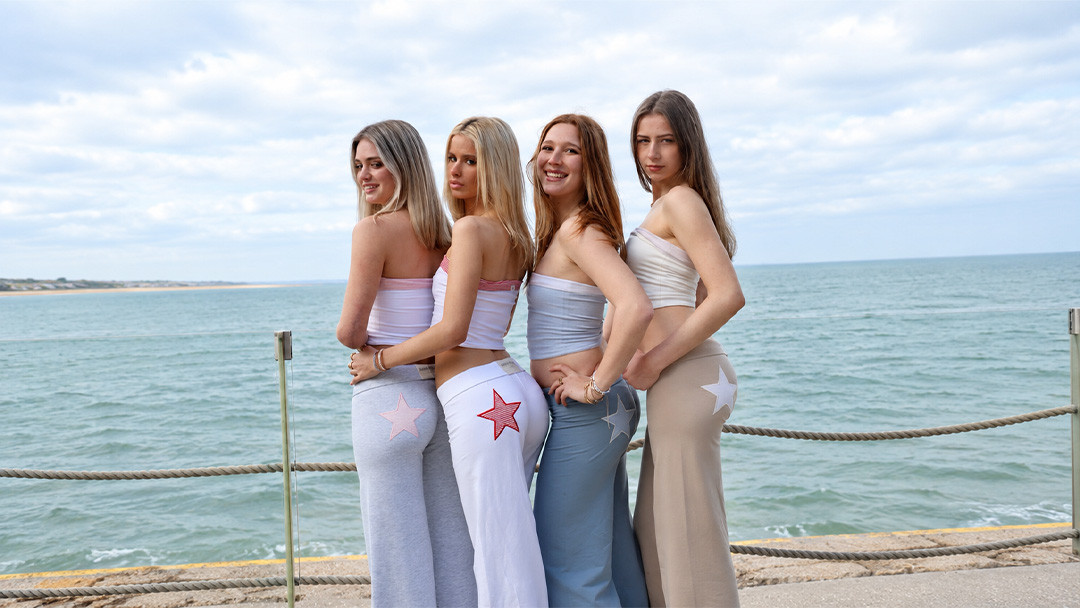
Why Garment Design Matters
A fabric can perform well as a swatch and still experience concentrated abrasion once it is made into a fitted garment.
Consider leggings that combine a tight upper-thigh fit, a soft surface and repeated inner-thigh contact. The wear environment is very different from a loose training top made from the same fabric.
For fitted yoga apparel and leggings, our custom yoga wear manufacturing process considers fabric selection together with fit, stretch, opacity and finished-garment performance.
6. Surface Finishing Can Help — but It Is Not a Guarantee
Brushing, peaching and other finishing processes can significantly change handfeel. They can also change the number and behavior of fibers exposed at the fabric surface.
That is why the finished, production-intent material should be evaluated—not only the unfinished base cloth.

What About an Anti-Pilling Finish?
A mill or fabric supplier may apply a finish intended to improve the textile's surface appearance or pilling performance.
That may be useful, but the buyer should still ask:
- Which finished fabric was tested?
- Which pilling method was used?
- What result was achieved?
- Was the fabric tested before or after laundering?
- Does the evidence apply to the final finished material?
7. What Should an Activewear Pilling Specification Include?
Instead of writing only “anti-pilling fabric” into a Tech Pack or sourcing request, build an approval specification that identifies the actual material and the evidence required before bulk production.
| Specification Field | What to Record | Why It Matters |
|---|---|---|
| Product | Leggings, sports bra, training top, shorts, etc. | Different garments create different friction conditions. |
| Fabric Code | Exact mill or supplier reference | Prevents a report for another fabric from being used as evidence. |
| Composition | Actual fiber percentages | Defines the material platform but does not predict pilling by itself. |
| GSM | Approved fabric weight | Helps control consistency between development and bulk production. |
| Knit Construction | Interlock, jersey, rib or other structure | Construction influences surface behavior. |
| Surface Finish | Smooth, brushed, peached or other finish | The production fabric should match the approved surface. |
| Test Method | Agreed laboratory or buyer method | Makes the result interpretable. |
| Sample Condition | As received or after agreed laundering | Clarifies the condition in which the rating applies. |
| Test Stage | Development fabric, sample, PPS or bulk material | Links the evidence to the production stage. |
| Acceptance Requirement | Buyer-defined rating or approval requirement | Avoids vague “anti-pilling” language. |
| Evidence | Lab report or approved internal test record | Creates traceability. |
8. Which Pilling Test Should an Activewear Brand Request?
There is little value in putting a technical test name into a specification unless the brand knows what it is trying to evaluate.
Start with the performance question. Then agree the test method, sample condition and acceptance requirement with the supplier, mill, testing laboratory or buyer quality manual.
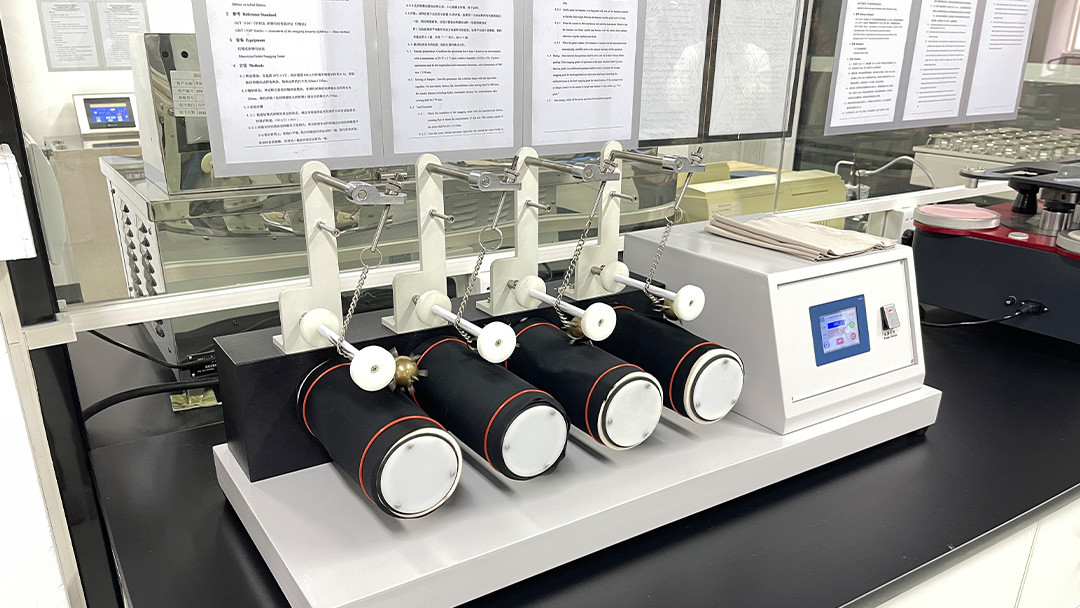
ISO 12945-2
ISO 12945-2 is a textile test method used to evaluate a fabric's propensity to surface pilling, fuzzing and matting using a modified Martindale approach.
When a buyer specifies this method, the relevant test condition and approval requirement should also be documented.
ASTM D4970/D4970M
ASTM D4970/D4970M is another Martindale-based method used to evaluate pilling resistance and related surface changes in textile fabrics.
The important sourcing lesson is the same: a method name alone does not create a complete product specification.
9. Why a Pilling Rating Needs Test Conditions
A rating without context can easily be misunderstood.
Before accepting a result, check:
- Which standard or buyer method was used?
- Which exact fabric code was tested?
- Which fabric surface was evaluated?
- What test exposure or evaluation stage was used?
- Was the specimen conditioned?
- Was laundering performed first?
- Who performed the test?
- Does the report belong to the actual production-intent material?
10. Should Activewear Be Tested Before or After Washing?
The answer depends on what the brand wants to learn from the test.
Testing an unwashed fabric can help compare materials during development.
If the commercial concern is how the surface will behave after consumers begin laundering the garment, the evaluation plan should also define the relevant wash condition before testing or review.
Why Washing Can Change Surface Appearance
Laundering may influence surface fibers, finishing durability, handfeel, fuzzing and overall appearance.
The number of wash cycles and laundering procedure should come from the product requirement or buyer testing protocol—not from a universal “activewear rule.”
11. Lab Testing Does Not Replace Real-World Wear Review
Laboratory testing is valuable because it allows fabrics to be compared under controlled conditions.
Real customers do not wear leggings inside a laboratory tester.
They run, squat, sit on textured surfaces, use gym equipment, carry backpacks and repeatedly wash the garment.
For that reason, pilling approval is stronger when several layers of evidence are considered together.
12. What Should Be Approved Before Bulk Production?
If pilling resistance is commercially important, do not stop at approving the first fabric swatch.
Before bulk release, confirm that:
- The approved fabric code is still being used
- The bulk composition matches the specification
- The GSM matches the agreed requirement
- The knit construction has not changed
- The surface finish matches the approved material
- The pilling evidence relates to the correct fabric
- The production-intent garment has been reviewed
- High-friction zones have been considered
- Relevant wear and wash review has been completed where required
13. Questions to Ask an Activewear Fabric Supplier
- What is the exact fabric code?
- What is the fiber composition?
- What is the GSM?
- What is the knit construction?
- Is the fabric brushed, peached or otherwise surface-finished?
- Has this exact finished fabric been tested for pilling?
- Which test method was used?
- What test conditions were used?
- Was the fabric evaluated before or after laundering?
- Does the test report belong to this exact fabric code?
- Was an unfinished base fabric or the final finished fabric tested?
- Has the production-intent garment been wear-reviewed?
- Which garment areas are expected to experience the most friction?
- Will the same material construction and finish be used in bulk production?
14. Common Activewear Pilling Development Mistakes
| Mistake | Why It Creates Risk | Better Approach |
|---|---|---|
| Choosing fabric only by composition | Fiber percentages do not define yarn, knit construction or finish. | Approve the exact finished fabric. |
| Writing only “anti-pilling” in the Tech Pack | The claim has no defined test condition. | Specify the method and approval requirement. |
| Using a report from a similar fabric | Small construction or finish differences can change performance. | Confirm that the evidence belongs to the actual fabric code. |
| Ignoring garment friction zones | A swatch may perform acceptably while the finished garment experiences concentrated abrasion. | Review high-friction zones on the production-intent sample. |
| Testing only before washing | Surface behavior may change after laundering. | Add an agreed post-laundering review when commercially relevant. |
| Assuming a lab result guarantees real-world wear | Actual use creates more varied friction and laundering conditions. | Combine controlled testing with garment wear and wash review. |
| Changing material during bulk sourcing | The previous approval may no longer apply. | Control fabric code, construction and finish through bulk production. |
15. Pre-Bulk Pilling Approval Checklist
Fabric Definition
- Exact fabric code confirmed
- Composition confirmed
- GSM confirmed
- Knit construction confirmed
- Surface finish confirmed
Testing
- Relevant pilling method agreed
- Test condition documented
- Sample condition documented
- Laundering requirement documented where applicable
- Approval requirement defined
- Evidence verified against the actual fabric
Garment Review
- Production-intent sample completed
- High-friction zones identified
- Wear review completed where required
- Wash review completed where required
- Surface appearance approved before bulk release
Bulk Control
- Bulk fabric matches the approved construction
- Bulk surface finish matches the approved sample
- No unapproved material substitution
- Material changes trigger re-evaluation where necessary
Frequently Asked Questions
Why do activewear leggings pill?
Leggings can pill when repeated friction pulls fibers toward the fabric surface and those fibers become entangled. Risk depends on the finished fabric construction, yarn, surface finish, garment fit, laundering and where friction occurs during wear.
Is nylon more pilling-resistant than polyester?
Not universally. Both nylon- and polyester-based activewear fabrics can perform well or poorly depending on yarn structure, knitting, density and finishing. Compare actual finished fabrics rather than ranking them by fiber name alone.
Does higher GSM prevent pilling?
No. GSM describes fabric mass per unit area. It does not describe yarn hairiness, knit construction, finishing or real friction behavior, so it should not be used as a standalone pilling specification.
What pilling test is used for activewear fabric?
Modified Martindale methods such as ISO 12945-2 and ASTM D4970/D4970M may be used where appropriate. The method, sample condition and acceptance requirement should be defined for the actual sourcing or testing program.
What does “anti-pilling fabric” mean?
By itself, the phrase is incomplete. Buyers should ask which finished fabric was evaluated, which method was used, under what condition and what result or approval requirement applies.
Should pilling be tested after washing?
If a brand wants to understand performance after consumer laundering, the evaluation plan should define the laundering procedure and number of cycles before review. There is no single wash count that applies to every activewear product.
Does a laboratory pilling test guarantee that leggings will not pill?
No. Laboratory testing provides controlled comparative evidence. Real-world wear introduces different friction, movement and laundering conditions, so the production-intent garment should also be reviewed.
What should a brand approve before bulk production?
Approve the exact fabric code, construction, GSM, surface finish, test requirement and production-intent sample. If pilling is commercially important, make sure the supporting evidence applies to the actual finished fabric being used for bulk production.
Final Recommendation
Do not ask a supplier for “an anti-pilling activewear fabric” and assume the requirement is complete.
Start with the finished material. Define its composition, construction, GSM and surface finish. Then identify where the garment is likely to experience friction and agree how the surface performance should be evaluated.
Finally, review the material in the actual production-intent garment before bulk release.
Nylon vs Polyester for Activewear: How Brands Should Choose
How to Test if Leggings Are Squat-Proof Before Bulk Production
What Should Be in an Activewear Tech Pack?
Developing an Activewear Fabric for Your Brand?
Send us your product brief, reference fabric, target composition, GSM, handfeel and performance requirements. Our team can review fabric sourcing and sample development before the material is approved for bulk production.
Discuss Activewear Fabric DevelopmentTechnical References
- ISO 12945-2 — Textiles — Determination of fabric propensity to surface pilling, fuzzing or matting — Modified Martindale method.
- ASTM D4970/D4970M — Standard Test Method for Pilling Resistance and Other Related Surface Changes of Textile Fabrics: Martindale Tester.