Custom Sports Bras
High-impact and low-impact designs, featuring removable molded pads, adjustable straps, and breathable mesh inserts.
Explore Custom Sports Bras
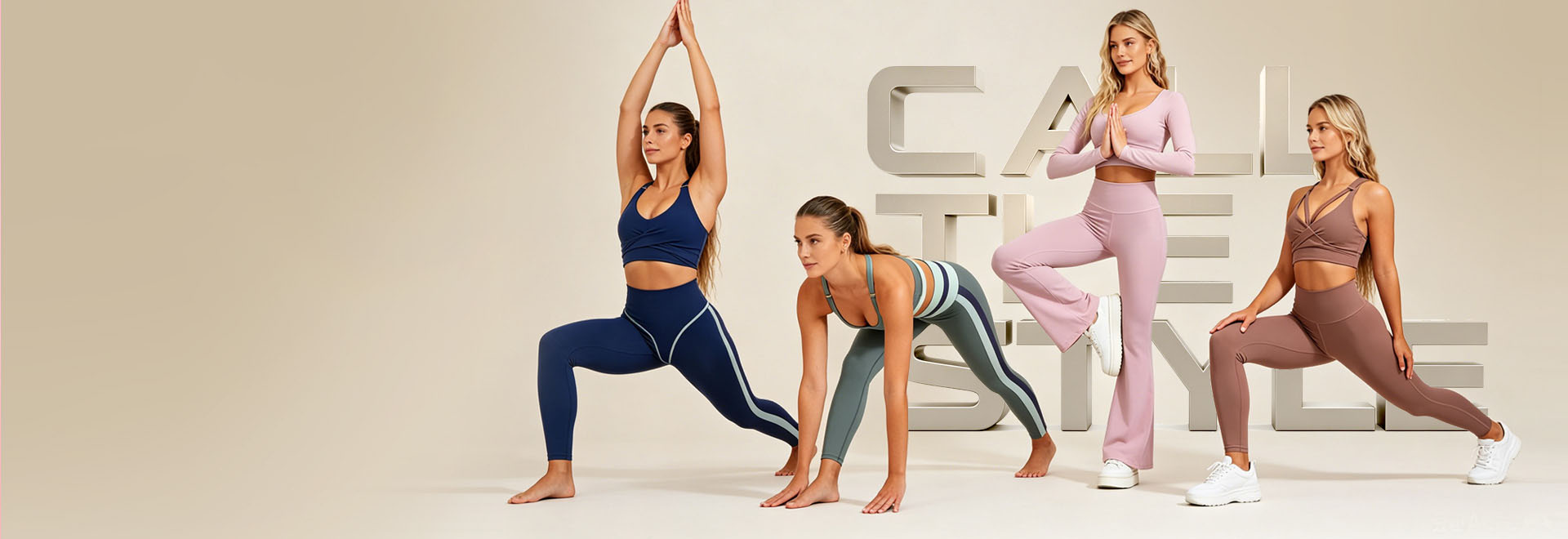

Low minimum order quantity for flexible production.

Ethically audited manufacturing with reliable standards.

Sustainable material options for eco-conscious brands.

Strict inspection standards to ensure consistent quality.
We produce yoga leggings, sports bras, yoga tops, shorts, jackets, and matching yoga sets with support for fabric sourcing, pattern making, sampling, logo customization, bulk production, and final QC inspection.
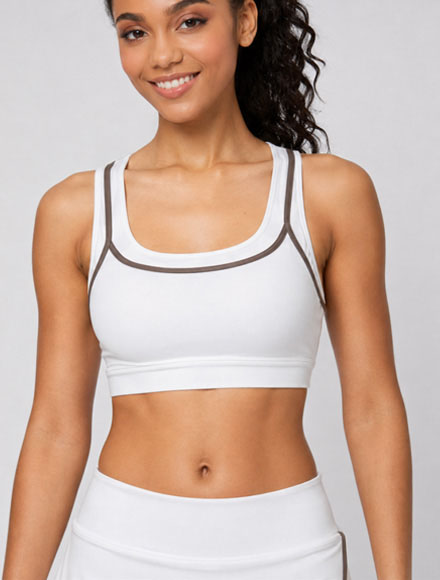
High-impact and low-impact designs, featuring removable molded pads, adjustable straps, and breathable mesh inserts.
Explore Custom Sports Bras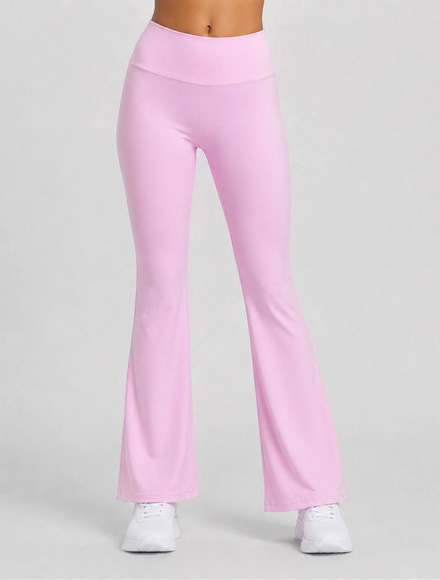
Sourced for maximum stretch. Options include high-waisted, seamless front, scrunch butt, and side pocket designs.
Custom Yoga Pants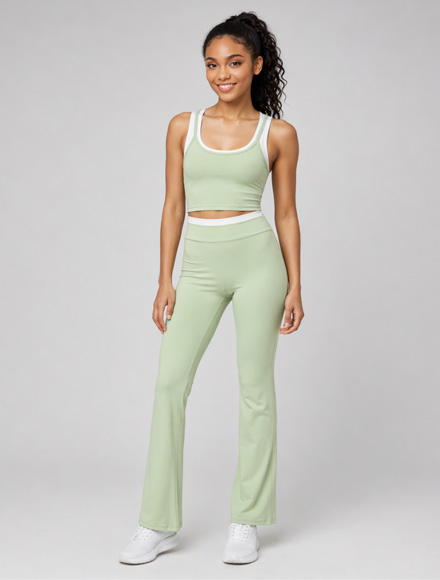
Matching top and bottom activewear sets with identical color lab dips and fabric compositions.
Private Label Yoga Set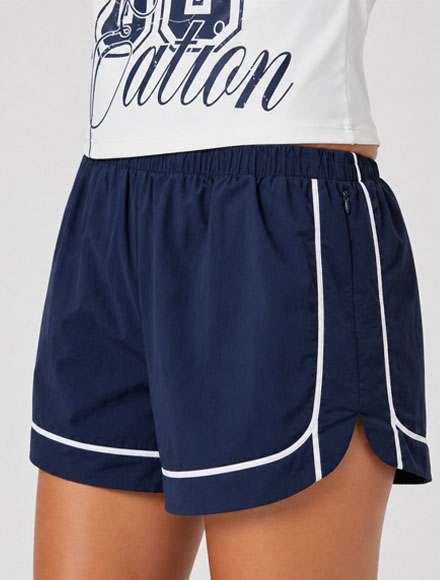
Biker shorts and seamless ribbed shorts engineered to prevent riding up during workouts.
Custom Yoga Shorts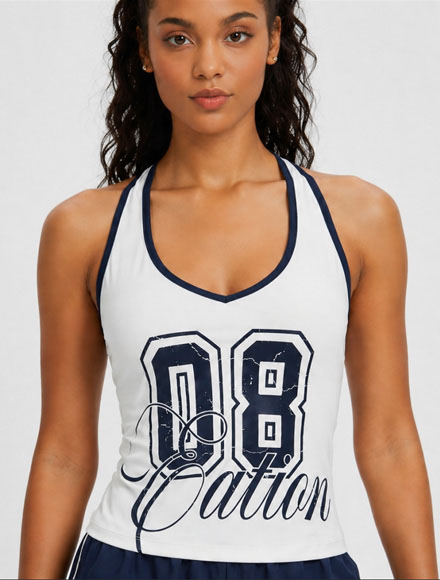
Built-in bra tanks, cropped tops, and racerback designs for maximum mobility.
Custom Sports Tank Tops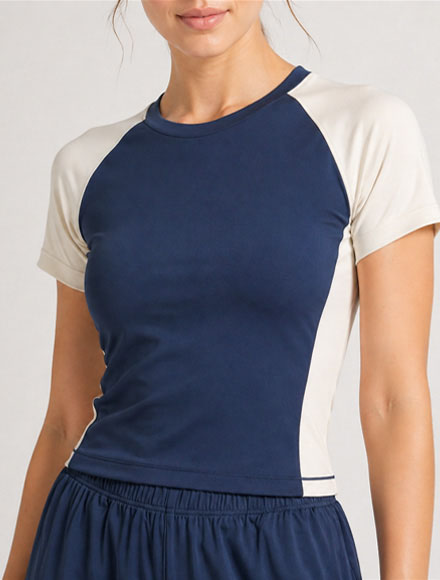
Lightweight, quick-dry tops using moisture-wicking blends for daily gym wear.
Custom Yoga T-shirts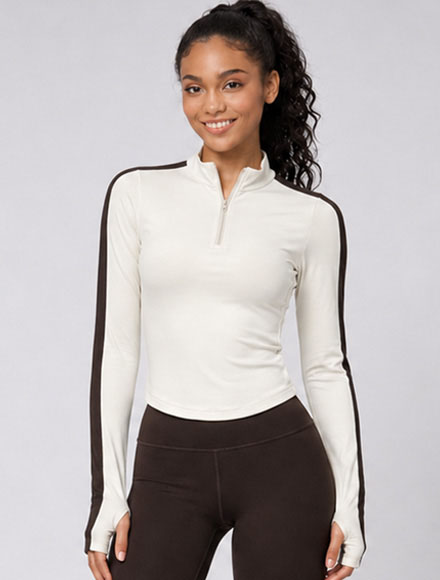
Slim-fit zip-up track jackets with thumbholes and functional hidden pockets.
Custom Yoga Jackets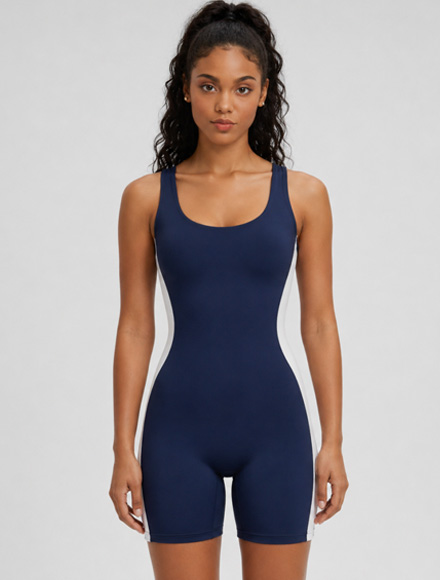
One-piece activewear jumpsuits designed with four-way stretch and contouring seams.
Custom Yoga Jumpsuits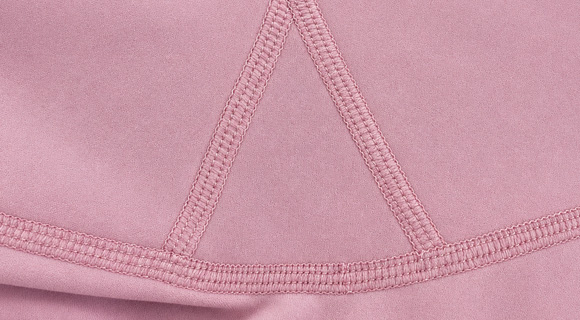
Triangle or diamond gusset inserts to reduce camel toe and improve stretch mobility.
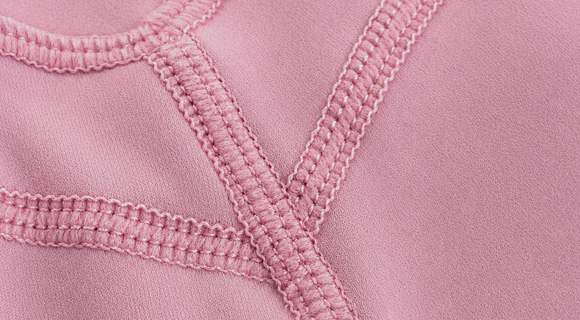
4-needle 6-thread flatlock seams for anti-chafing, and reinforced overlock seams for high-stress areas.
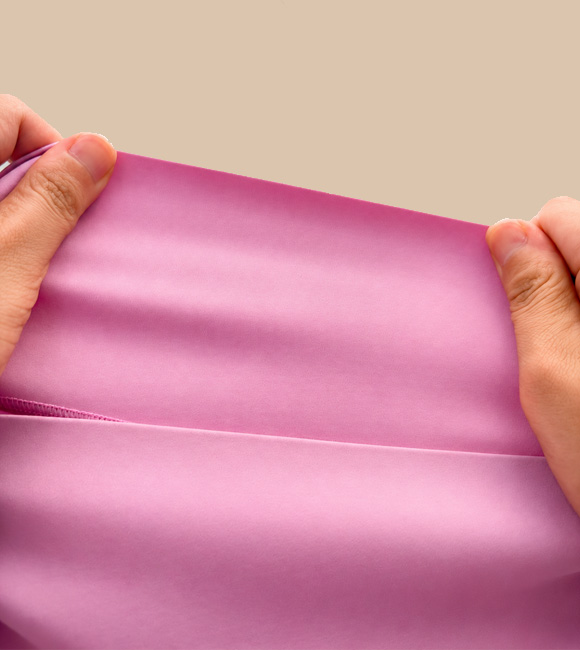
We recommend high-density, squat-proof fabric options and test opacity under stretch before bulk production.
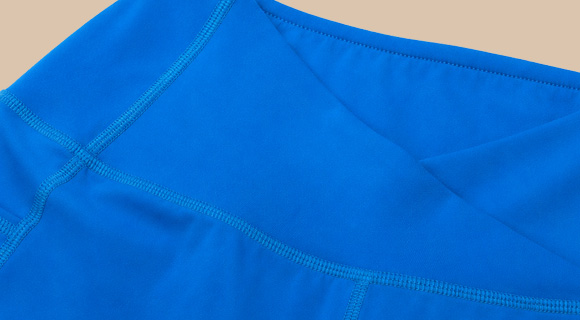
High-waisted and crossover (V-back) designs structured to stay up and never roll down.
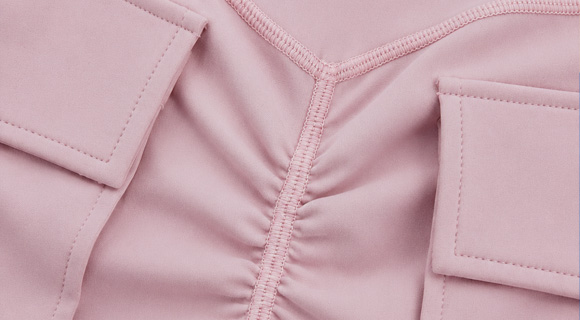
Ruched back seams and under-glute contour lines to naturally enhance body shape.
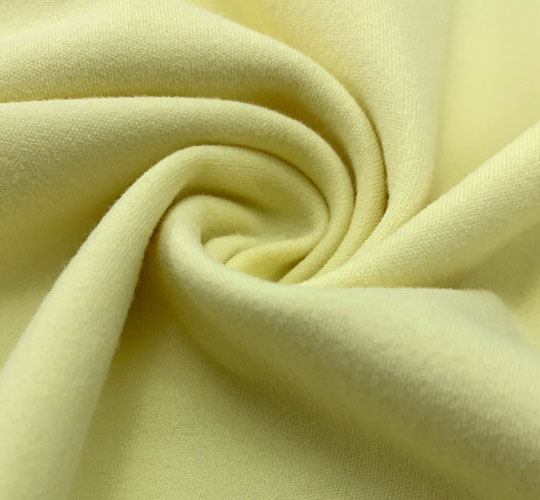
Typically 80% Nylon / 20% Spandex (220 GSM). Brushed finish for a soft feel designed for low-impact movements.
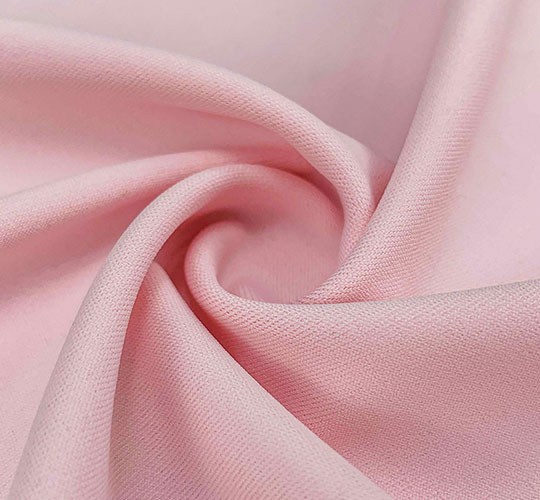
Heavyweight 73% Polyester / 27% Spandex (250-280 GSM). Offers muscle support for weightlifting and HIIT.
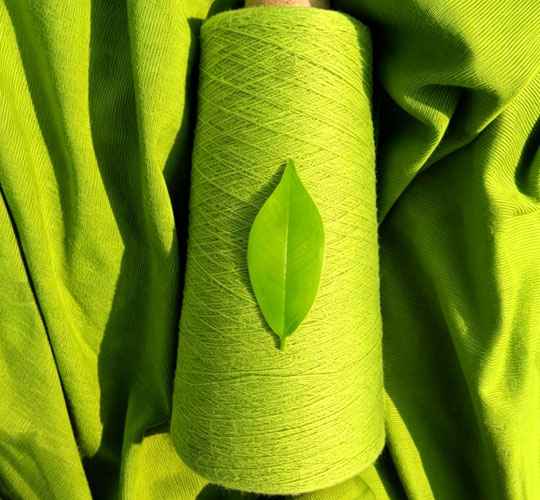
We can source fabrics from GRS-certified and OEKO-TEX Standard 100 certified mills upon request.

Accurate Pantone color matching and lab dips.

Full grading from XXS to Plus Size based on your charts.

Silicone print, heat transfer, screen print, or 3D embroidery.

Brand labels, tear-away tags, or printed neck labels.

Custom paper tags, barcode stickers, or pricing labels.

Branded zip-lock bags, eco-bags, or custom tissue paper.
Quote (24h)
Sampling (7-10 days)
Sample Approval
Bulk Production (25-30 days)
QC & Shipping
Testing for shrinkage and color fastness before cutting.
Checking digital patterns against size specs.
Monitoring fabric tension during spreading.
Continuous stitch tension and seam checks on the line.
Key measurement check based on approved size spec and AQL inspection plan.
Final AQL 2.5 inspection before packing, including mandatory needle detection.
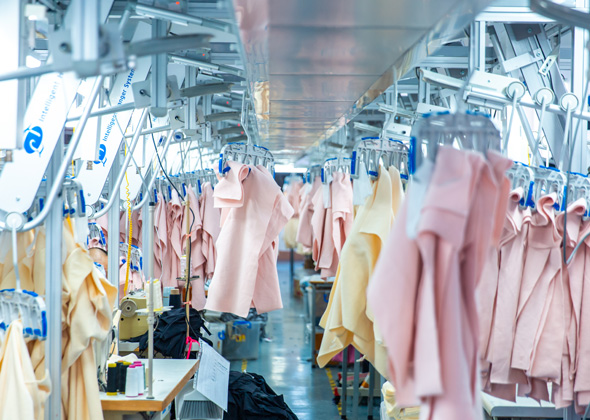
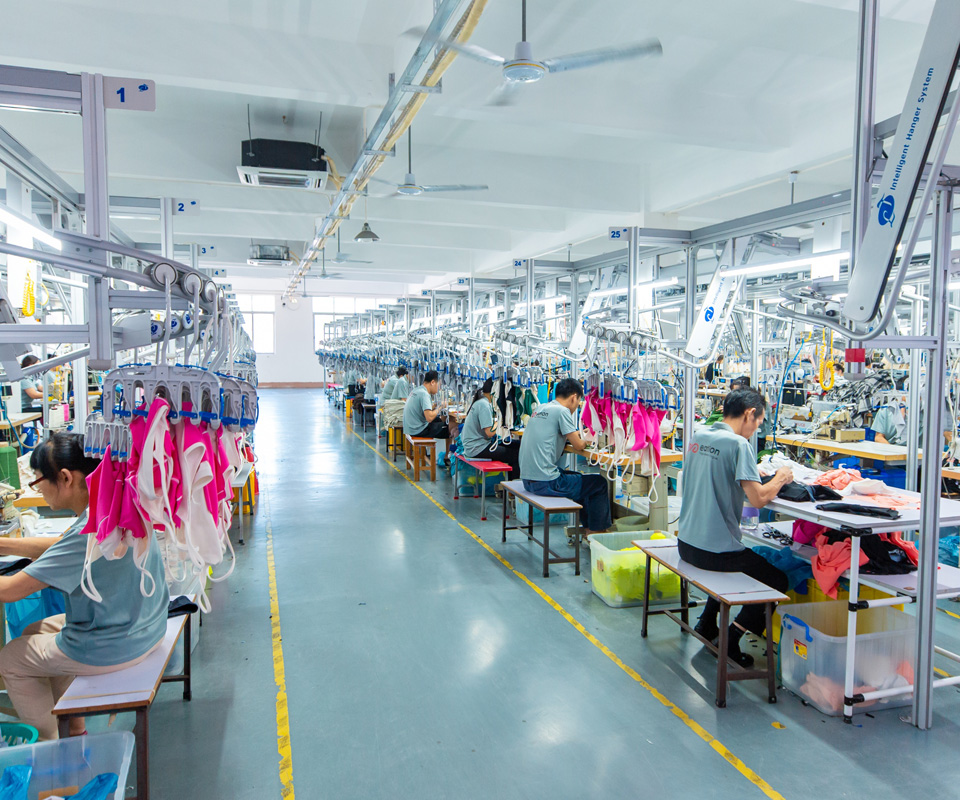
Automates the assembly line workflow, reducing handling time and keeping your garments clean and organized during production.
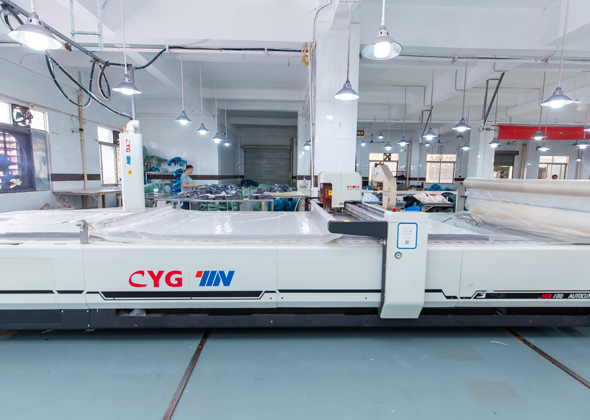
Guarantees precision cutting with zero margin of error, ensuring consistent sizing across thousands of pieces while reducing fabric waste.
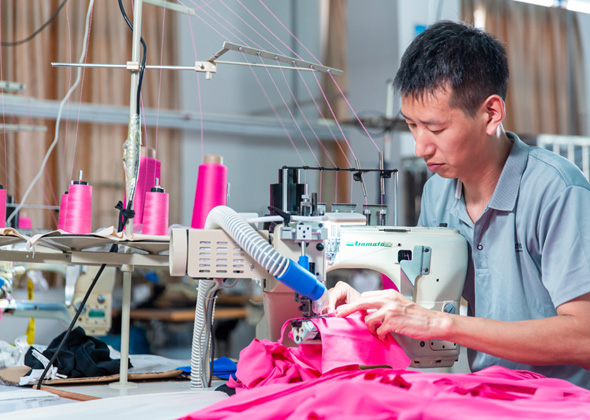
We use specialized Japanese-made sewing machines to create flat, high-stretch, anti-chafing seams essential for premium yoga wear.
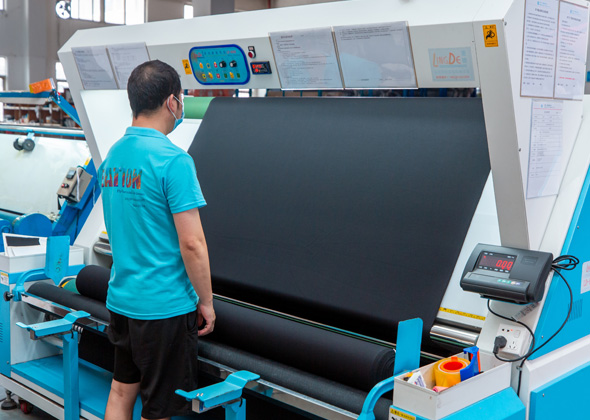
Detects fabric flaws, tension issues, and color shading variations before the cutting process even begins.
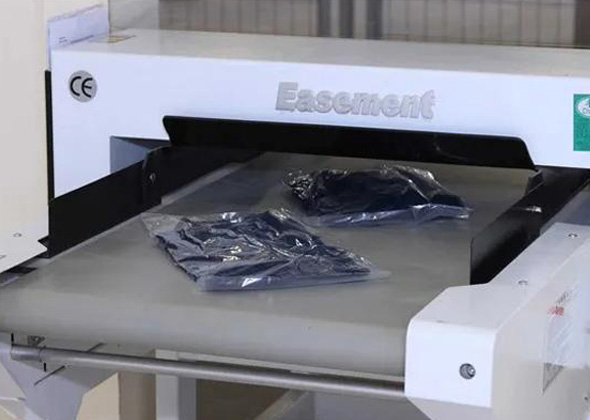
A mandatory final safety checkpoint to ensure absolutely no broken needles or metal fragments remain in the finished garments.
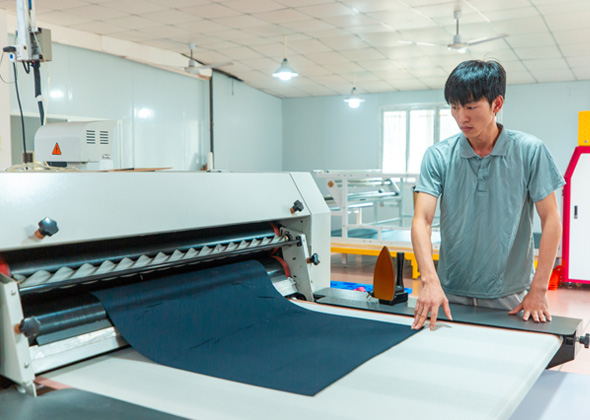
Uses ultrasonic and laser technology for stitch-free edges, offering a high-end, clean finish for advanced activewear designs.

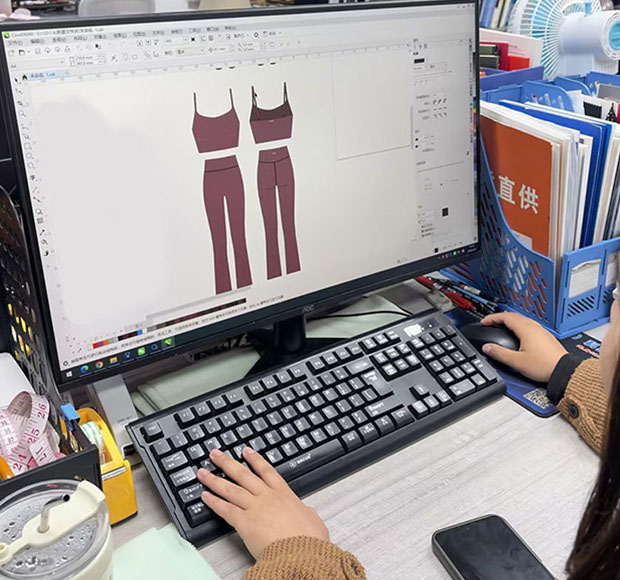
Don't have a professional tech pack? Send us a clear photo or a physical sample. Our team can help create technical drawings and size charts.

Sample fees are credited towards your final bulk order once placed.

We sign Non-Disclosure Agreements (NDAs) to protect your private label designs before you share any files.
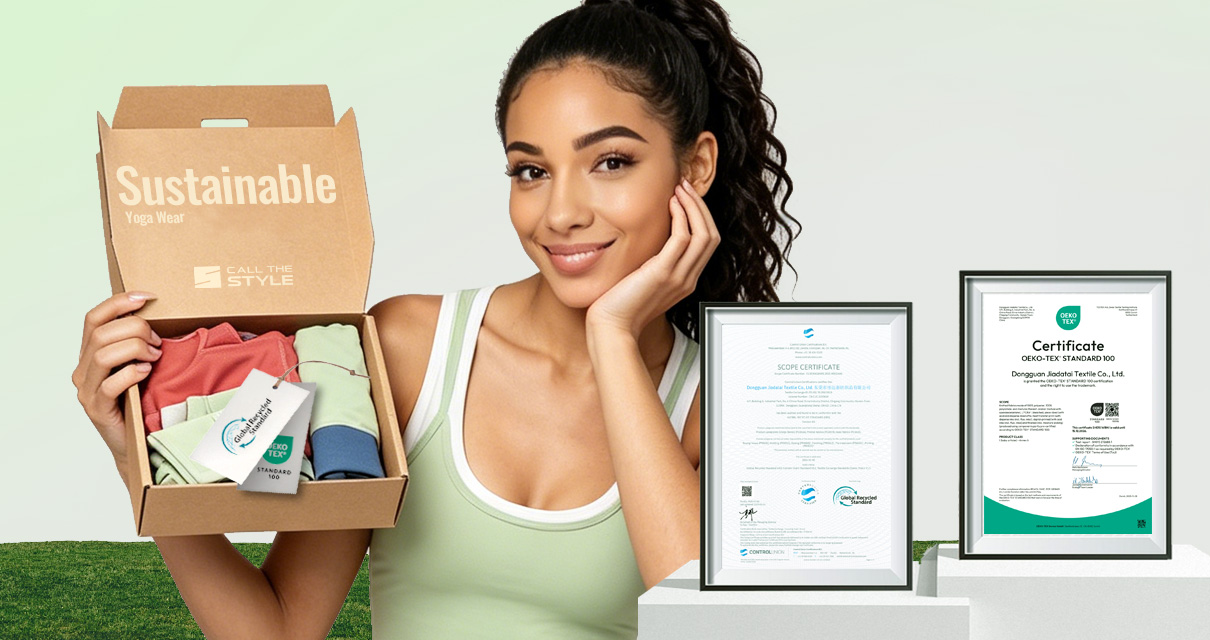
We can source fabrics that are GRS (Global Recycled Standard) certified, including recycled nylon and polyester.

OEKO-TEX Standard 100 certified dyeing options available to reduce harmful chemicals.

Biodegradable polybags and recycled paper tags available upon request.

OFOB / EXW:Perfect if you have your own designated shipping forwarder.
ODDP (Door-to-Door):We handle the freight, customs clearance, and import duties. Goods delivered directly to your warehouse.
Air Express5-7 days5-7 days
Sea Freight25-30 days
Not necessarily. A sample or development payment alone does not establish which patterns or technical files must be handed over, who owns the relevant rights, or how the files may be used. These points depend on the agreement and applicable law and should be clarified before development starts.
Receiving a physical sample, receiving a digital file, obtaining permission to use it, and acquiring intellectual property rights are different matters. Identify each agreed deliverable and the associated ownership or license terms rather than relying on the sample invoice alone.
An NDA can contain ownership provisions, but confidentiality wording alone does not establish file delivery or a transfer of intellectual property rights. Review the actual clauses covering disclosure, permitted use, ownership, and any assignment or license.
Before sampling with Call The STYLE, request written confirmation of the agreed deliverables and terms, including file access, permitted use, charges, and confidentiality.
Ownership of leftover fabric, trims, labels, and packaging should be recorded in the order agreement. It depends on the agreed purchasing arrangements and applicable law; payment of a garment price or material surcharge alone should not be treated as proof that every remaining material belongs to one party.
For each category, agree ownership, any reservation for future orders, storage period and conditions, storage or handling charges, and responsibility for loss or damage. State how return shipping, reuse, recycling, or disposal will be authorized and paid for.
After production, record the actual remaining quantity and condition, material code, color, roll or lot reference, and storage location or reference. Link retained materials to the applicable style and approval records, then recheck suitability before using them in a repeat order.
Brand-bearing materials should not be reused for other customers without the brand’s written authorization. Agree who can approve their return, recycling, or destruction, and whether disposal evidence is required.
For a Call The STYLE order, request written confirmation of leftover-material arrangements before production begins, and reconcile the final inventory after the order is completed.
A delivery appointment can determine when a retailer, 3PL warehouse, or fulfillment center will accept a bulk activewear shipment. If the destination requires a confirmed receiving window, allow time for booking and final delivery as well as freight transit and customs clearance.
Before shipment, confirm the destination’s requirements for:
Confirm receiving requirements before finalizing the packing plan and freight arrangement. Ask the designated booking party when the appointment can be requested, what information is needed, and when it becomes confirmed. Booking procedures and lead times depend on the receiving facility.
Plan the receiving window around the expected customs release and local delivery schedule. Arrival at a destination port or local freight terminal does not by itself confirm warehouse receipt or that inventory is available for sale.
If a transit or customs delay threatens the booked window, ask the responsible party to confirm the revised arrival estimate and arrange any required appointment change before the next delivery attempt.
A missed appointment or refused delivery may require rescheduling and may lead to storage, redelivery, waiting-time, or handling charges under the applicable carrier or warehouse terms. Confirm how these charges would be handled before dispatch.
At Call The STYLE, shipment and carton information can be coordinated with the buyer or logistics provider before dispatch. Provide the destination’s current routing guide and receiving instructions early, and confirm with the appointed logistics provider who will manage the booking and whether appointment-related services are included in the freight quote.
Keep approved materials and trims in a version-controlled record linked to the style’s current BOM and Tech Pack. This may be part of the BOM itself or a connected approval register; the key is to make the approved reference, status, and applicable revision clear.
For each material or component, record where relevant:
Identify retained physical swatches and samples with matching reference codes so they can be connected to the written record.
When a material is changed or substituted, record the previous and new references, reason for the change, approval evidence, approval date, and the orders to which the change applies. Mark superseded versions clearly and retain the revision history.
Keep the approved material specification distinct from the actual supplier lot or dye lot used in each order. Link both where traceability is required; approval of a material reference does not automatically confirm every later production lot.
At Call The STYLE, fabric, trim, branding, and packaging references can be reviewed with the current approved product specification before a repeat order proceeds. The required records and approval responsibilities should be agreed for the project.
Before placing a repeat activewear order, reconfirm the current product specification and order terms rather than assuming the previous order can be reproduced without review.
The repeat-order check should normally include:
Confirm whether any material, construction, fit, artwork, packaging, or destination-market requirement has changed since the last order. Any agreed correction from the previous production run should also be reflected in the current specification.
If the original fabric or trim is no longer available, a proposed substitute should be reviewed and approved before use. Depending on the change, this may require a new swatch, updated sample, or relevant testing. Record the approved change in the applicable product documents.
At Call The STYLE, repeat-order requirements can be reviewed against the latest approved specifications and previous order references. Materials, quantities, branding, commercial terms, and delivery requirements should be confirmed in writing before the new order is released for production.
A useful test report should help the brand identify what was tested, how it was tested, and whether the results are relevant to the approved activewear style. The tested item may be a fabric, component, logo application, seam, or finished garment, so the report’s scope should be clear.
The report—or an accompanying sample-traceability record—should normally identify:
For shrinkage, pilling, colorfastness, stretch recovery, logo durability, or washing performance, check that the reported conditions and any pre- or post-treatment reflect the agreed product requirements and care instructions.
A result from one fabric swatch, color, size, or material lot should not automatically be treated as evidence for every variation of the finished order. If materials or construction change, the brand and manufacturer should review whether the existing result still applies or whether further testing is needed.
At Call The STYLE, available test results can be reviewed against the approved fabric, sample, and production specification so the brand can assess their relevance to the product being manufactured. Required methods, acceptance criteria, and any retesting should be confirmed for the specific project.
Printed graphics should be checked on early cut panels and assembled garments against the approved artwork, pattern, and agreed alignment points. A graphic that looks correct on a flat panel may not align as intended after sewing.
Review first-cut panels and early sewn garments, especially where graphics cross curved seams or continue across multiple panels.
Exact seam matching is not required for every design. Stretch, seam allowances, curved panels, cutting, and grading can affect the assembled appearance. If matching is commercially important, agree the critical points and acceptable visual deviation before cutting.
If a repeated shift affects the approved appearance, identify whether the cause lies in artwork layout, printing, cutting, or assembly and correct it before more affected garments are produced. At Call The STYLE, panel alignment can be reviewed against approved artwork and sample garments before full production continues.

Response time within 30 minutes (during working hours)

Automatically calculated based on options and quantity, transparent with no hidden fees

Provides an accurate delivery date after order confirmation