How to Compare Yoga Leggings Fabrics Before Garment Sampling
Two leggings fabrics can show the same fibre content and the same GSM on paper, then behave completely differently on the body. One feels soft and drapes; the other pulls back and holds. Neither label lied — composition and weight describe a material, they do not predict how it will perform in a garment. If you are choosing fabric for a leggings sample, the job is not to find the "best" fibre. It is to compare two specific fabrics under the same conditions, then decide which one deserves a garment sample.
Quick Answer
To compare two yoga leggings fabrics before sampling: identify each fabric by number, colour and batch; record the same fields for both; compare hand feel, stretch, force at a given extension, and recovery under the same test conditions; check surface finish and after-wash behaviour; then test the fabric plus pattern together in a garment. Fabric data cannot replace a fit trial, and a higher GSM or elastane percentage does not automatically mean more support. Keep unmeasured fields marked "not tested" rather than filling them with assumptions.
A quick word on what this guide is — and is not. It is a method and a blank comparison sheet you can copy. It does not contain test results from two real fabrics, because inventing numbers and calling them measurements would defeat the entire purpose. When you have your own two candidate fabrics and a lab report, fill the tables in. Until then, the tables stay empty on purpose.
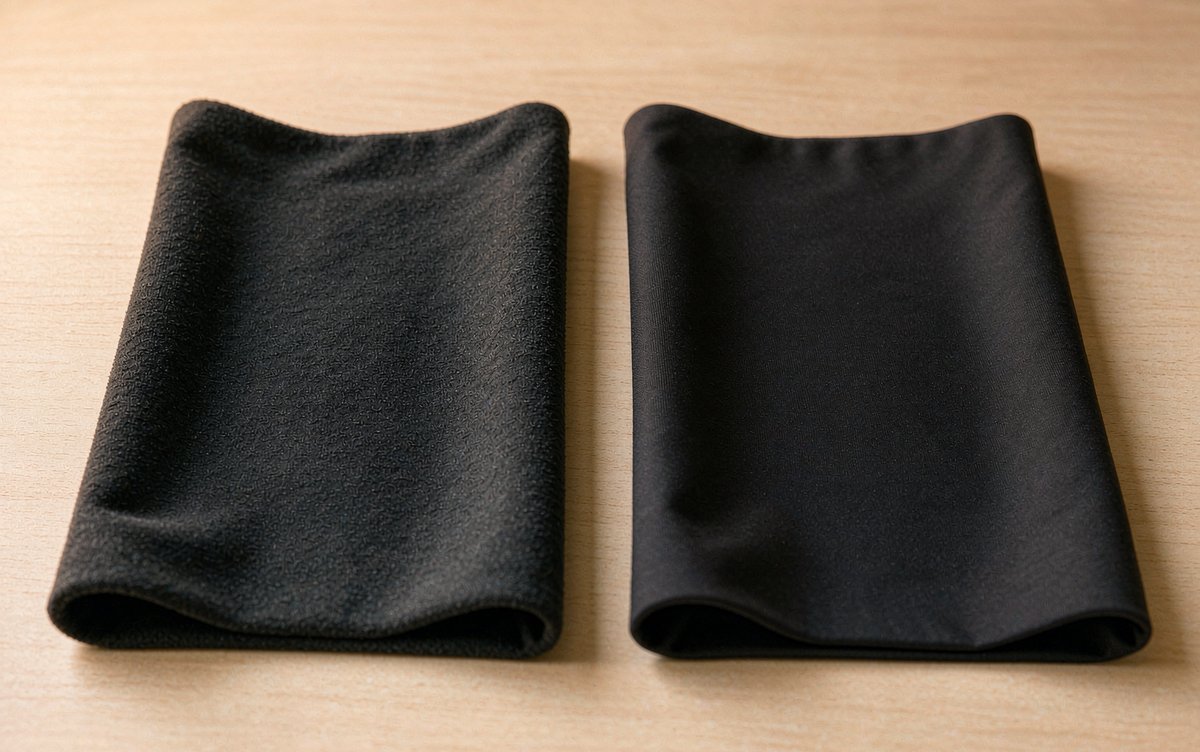
Similar on the roll, different on the body — which is why the comparison needs a method. (AI-generated image)
Why Similar Fabrics Behave Differently
Composition and GSM tell you what a fabric is made of and how heavy it is per square metre. They do not tell you the yarn, the knit structure, the finish, or how much resistance the fabric offers when stretched. Those differences change the hand feel, the stretch curve, the recovery and the way the finished legging sits on a body.
If you want the fibre-level background, our nylon versus polyester guide covers it in depth. This article starts one step later — after you have shortlisted two fabrics and need to choose between them. Three questions matter at that point:
- Does the softer hand feel actually suit the product you are making?
- When one fabric pulls harder, is that the fabric's resistance or the pattern and sizing?
- Does the more expensive fabric deliver something your target customer will notice and pay for?
Keep the first two separate. A fabric that feels soft is not automatically "too loose", and a fabric that pulls tight is not automatically "more supportive". Compression in a finished legging comes from fabric tension, stretch recovery, negative ease in the pattern, construction and the wearer's own dimensions together — our compression guide explains that combination. Do not reduce it to GSM or elastane percentage.
Five Things That Are Not the Same
This table is the conceptual backbone of the whole comparison. Hand feel, stretch, force at extension, recovery and garment compression are five different questions.
| Compare | What you are actually judging | What you should not infer |
|---|---|---|
| Hand feel | Whether the surface is smooth, soft or brushed, and how supple the fabric body is | Soft to the touch does not mean loose or unsupported when worn |
| Stretch capability | How far it extends lengthwise and crosswise under agreed conditions | Stretching further does not mean more hold in normal wear |
| Force at a given extension | How much pull is needed to reach the same extension | Similar maximum stretch does not mean similar resistance along the way |
| Recovery and residual | Whether it returns after release and repeated stretching, and how much deformation remains | Snapping back once by hand is not repeated-wear shape retention |
| Garment compression | What the wearer feels from the finished pattern and size | Fabric numbers cannot replace a garment fit trial |
The most useful question to ask a supplier is not "how far does it stretch?" but: within the extension range of real wear, how much force does it take, and how much does it recover afterwards?
ASTM D4964 addresses tension at specified extension, extension at specified tension, and load–recovery curves. It also states that results are comparable only when equipment, speed, maximum load or extension, and specimen conditions are comparable. That caveat matters more than the method number. Agree the conditions with your supplier and lab; do not set one universal pass value for all leggings.
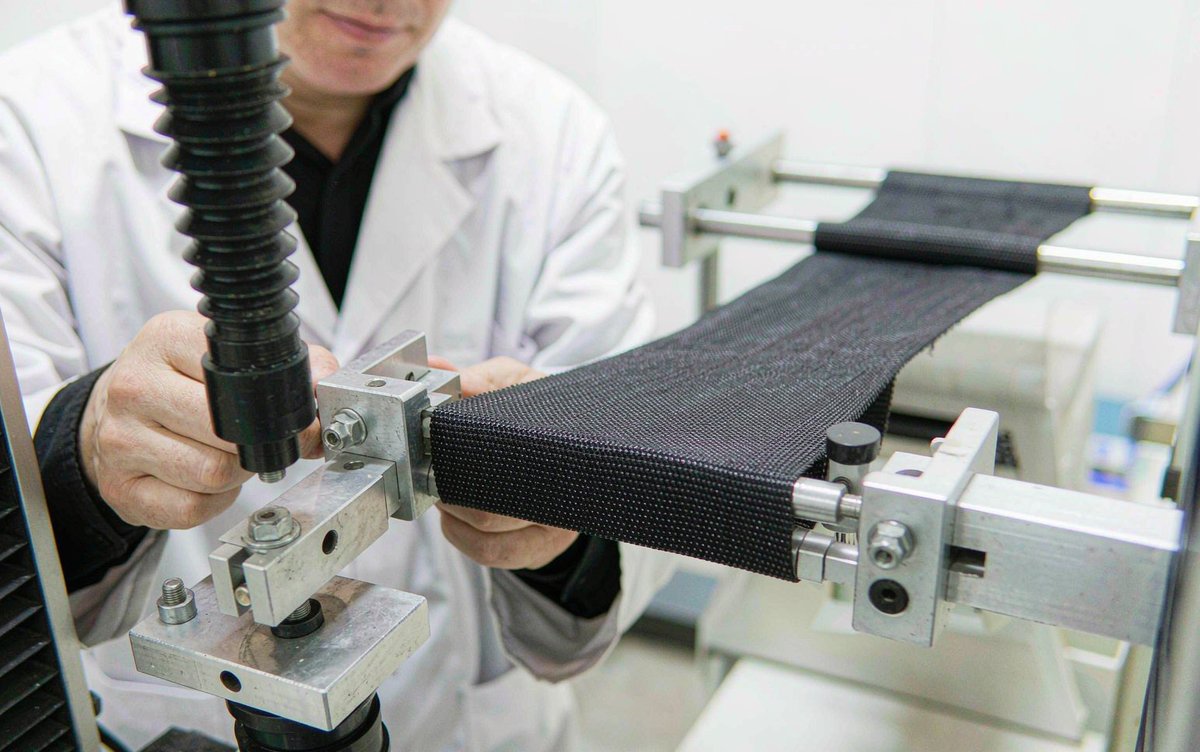
Numbers mean something only when both fabrics are tested the same way. (AI-generated image)
The Comparison Sheet: Fill It, Do Not Guess It
Use one sheet for both fabrics and fill every row from the same source and under the same conditions. If you do not have a measurement, write "not tested" — never convert a supplier's verbal description into a number, and never read missing data as a failure.
| Item | Fabric A | Fabric B | How to record it |
|---|---|---|---|
| Identity | Not tested | Not tested | Fabric number, source, colour and sample batch |
| Basic specs | Not tested | Not tested | Composition, GSM, knit structure, usable width, known finishes |
| Hand feel | Not tested | Not tested | Record surface touch and fabric-body suppleness separately |
| Stretch, length and width | Not tested | Not tested | Same test conditions for both; do not just write "four-way stretch" |
| Force at set extension | Not tested | Not tested | Same extension point and conditions |
| Recovery | Not tested | Not tested | State stretch cycles, rest time and measuring method |
| Surface and durability | Not tested | Not tested | Pilling, rubbing or after-wash change as the product requires |
| Commercial terms | Not tested | Not tested | Unit price, MOQ, colour minimum, lead time, testing fees |
Two notes from experience. First, the fabric identity row is the one people skip — and it is the one that makes every other row trustworthy. If the sample is not the fabric intended for bulk, the comparison is fiction. Second, for pilling and after-wash behaviour, keep the method and the cycle count attached to the result; a grade without its conditions is not comparable. Our pilling guide covers why.
Surface Finish and After-Wash Behaviour
When one fabric feels softer, the instinct is to blame a softener. Finishing is one possible cause, not the only one. Yarn fineness, knit density, brushing and surface treatment all change hand feel. A fine-denier polyester with the right knit and finish can feel softer than some nylon — so "nylon equals soft, polyester equals harsh" is not a usable rule.
Ask the supplier to confirm:
- Whether the fabric is brushed, and which side;
- What softness, moisture or other finishes are declared;
- Whether the sample matches the intended bulk specification;
- After the agreed wash care, whether feel, appearance and dimensions still meet the requirement.
Record the wash and drying conditions when you compare after-wash behaviour. ASTM D4964 also leaves wash temperature, cycle count and drying procedure to be agreed between the parties. Do not write "brushed always pills" or "soft finish always washes off" — those are claims about categories, not about your two samples. Show what your samples actually did.
From Fabric Comparison to a Garment Sample
Once the fabric sheet is filled, there are two ways to make a sample, and they answer different questions.
- Same base pattern for both fabrics. This isolates what changing the fabric does. It does not prove either fabric has reached its best fit, because the pattern was not developed for it.
- Adjust the pattern for each fabric. This shows the final product each fabric can produce, which is the comparison that supports a buying decision.
The distinction matters. A fabric can look bad in a pattern designed for another fabric and still be the right choice once the pattern is corrected. If budget allows only one first sample, document your fabric-screening basis and the questions still open — do not claim the fabric was proven by touch alone. Our squat-opacity guide covers one of the garment checks that still needs doing.
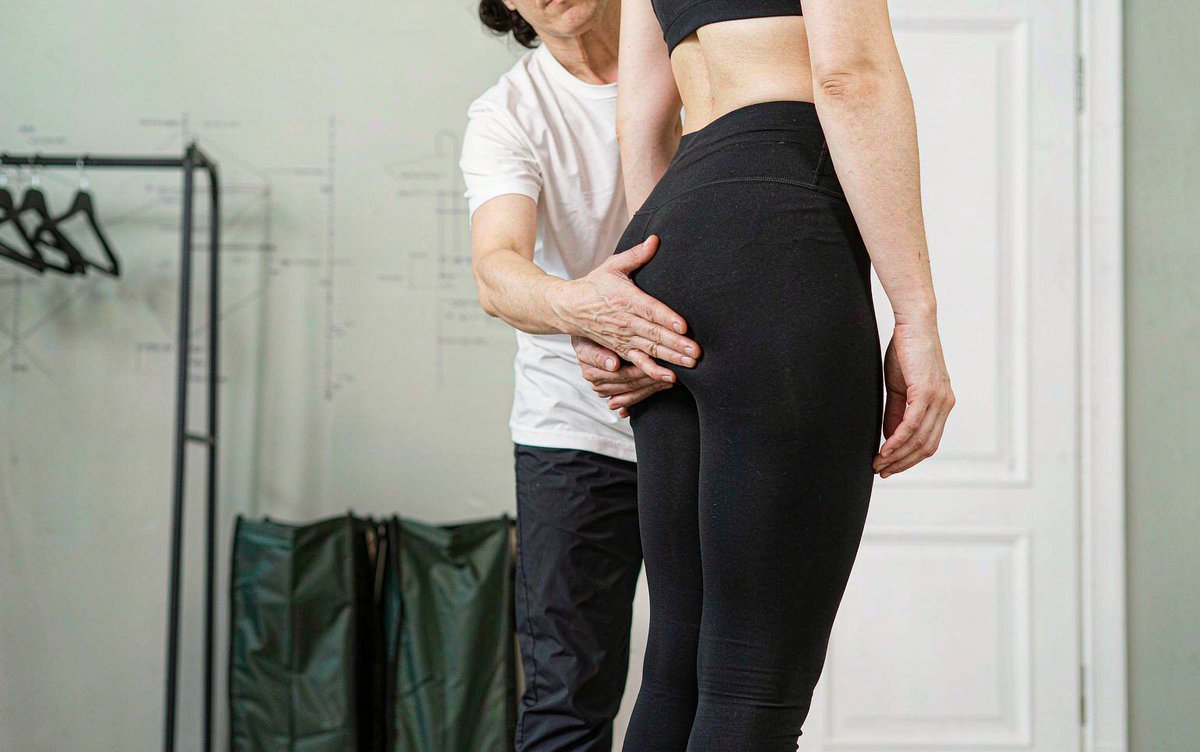
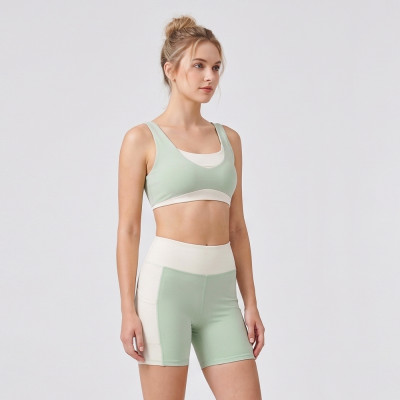
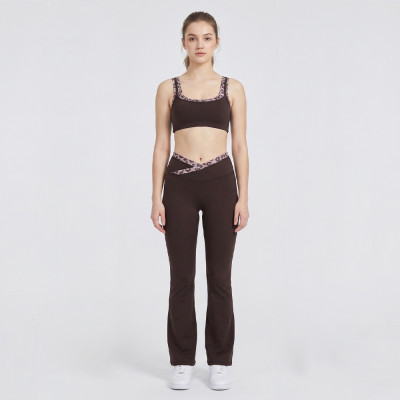
The real decision is about fabric plus pattern together, not fabric on its own. (AI-generated image)
Compare the Cost of One Pair, Not the Price of a Metre
This is where a fabric comparison becomes a purchasing decision. A higher fabric price per unit means very little until you know what one pair of leggings costs to make with it.
| Cost item | What to confirm in the comparison |
|---|---|
| Fabric quote | Per kilogram or per metre; same currency and quote terms |
| Fabric per garment | Estimated from the same size mix and marker; do not reuse the other fabric's consumption figure |
| Minimum order | Stock availability; minimum per colour and per custom finish |
| Development and validation | Extra samples, testing or pattern work this fabric needs |
| Inventory commitment | How much fabric beyond the current order must be bought to meet material minimums |
Then ask the real question: if fabric B costs more per metre, how much does one pair actually increase, and does that increase buy something your customer wants? The article should not answer "expensive is better" or "cheap is smarter" in advance. It should give you the structure to find out. For the wider fabric-selection framework, see our premium activewear fabrics guide.
How to Decide: A, B, or Both
A clean decision has three possible outcomes, and all of them are legitimate:
- Pick A when it meets the product requirement at a better total cost.
- Pick B when its verified difference is something the target customer values enough to pay for.
- Keep both when each suits a different product — for example, one for a soft everyday legging and one for a higher-support style.
What you should not do is pick a winner from fibre name, GSM, a single hand pull, or one lab number. Screen fabrics against the intended use, then verify the fabric-plus-pattern combination in a garment. Composition describes a material; a wear trial decides a product.
Frequently Asked Questions
How do I compare two yoga leggings fabrics that look similar on paper?
Identify each by fabric number, colour and batch, then record the same fields for both under the same conditions: hand feel, stretch in both directions, force at a set extension, recovery, surface behaviour and commercial terms. Leave anything unmeasured marked "not tested".
Does a higher GSM mean more compression?
No. GSM is weight per square metre. Garment compression comes from fabric tension, stretch recovery, pattern negative ease, construction and the wearer together. Use the fabric data as input, then confirm in a fit trial.
Does more elastane mean a more supportive legging?
Not by itself. Elastane level is only one factor; yarn, knit structure, finish, force at extension and pattern all matter. Compare the two fabrics under the same conditions rather than reading the percentage.
Can I choose the fabric from hand feel alone?
No. Hand feel is one input. A fabric may feel soft yet behave differently under stretch and after washing, and the final garment depends on the pattern too. Use feel to shortlist, then verify.
Should I make both fabrics into the same pattern?
That is useful for isolating the fabric difference, but each fabric may need its own pattern to reach its best fit. If you can only sample once, state your screening basis and what remains unverified.
Run the Comparison Before You Fall in Love With a Swatch
The cheapest mistake in leggings development is choosing a fabric because it felt right in the hand, then discovering in the fit sample that it behaves differently under tension or after washing. A structured comparison costs a few hours and prevents weeks of rework. Screen under the same conditions, verify in the garment, then decide on total cost. Fill the sheet with your own two fabrics — the method only works with real numbers.
Method note: ASTM D4964 is referenced as a publicly available test method for tension and recovery behaviour; confirm applicability, current version and comparable conditions with your supplier and lab before testing. No test values in this guide represent measurements of any specific fabric. This is a buyer-side comparison framework, not a universal pass standard. References checked November 2026.