Activewear Manufacturers for Startups: Launch Your Brand Without 1,000-Unit Minimums
Every week we hear the same story from founders: they've validated an idea, designed a logo, maybe sold a few samples to friends, and then they hit a wall. Every factory they find wants 1,000 pieces per style per color. For a startup, that means $15,000 to $30,000 locked up in inventory before a single customer has seen the product.
Key Answer
You do not need a 1,000-unit minimum to manufacture real, commercial-quality activewear. What you need is the right kind of manufacturer, one built for brands that start small and scale deliberately. This guide explains what a startup-friendly minimum actually means, where to find factories that offer it, and how to run your first production order without overcommitting.
What a Startup-Friendly Minimum Really Means
Before anything else, we need to draw a clear line, because this is where most confusion happens.
A startup-friendly minimum is not the same as one-piece dropshipping, and it is not a retail service.
| Model | How It Works | Best For |
|---|---|---|
| Print-on-Demand / Dropshipping | One unit is made only after a customer orders. No bulk, no quality consistency, thin margins. | Testing an idea with zero inventory |
| Startup-Friendly Bulk Manufacturing | A real factory runs a real production line, but accepts a lower opening quantity, typically around 100 pieces per style per color with mixed sizing. | Building a brand with real product quality |
The distinction matters. It is the difference between buying a product and building a brand. If you want premium fit, consistent sizing, and true ownership of your design, you need bulk manufacturing; the only question is whether a factory will let you start small enough to survive the learning curve.
Why Most Factories Demand 1,000+ Units
To understand why a 100-piece minimum is a meaningful offer, it helps to understand why most factories refuse smaller orders in the first place.
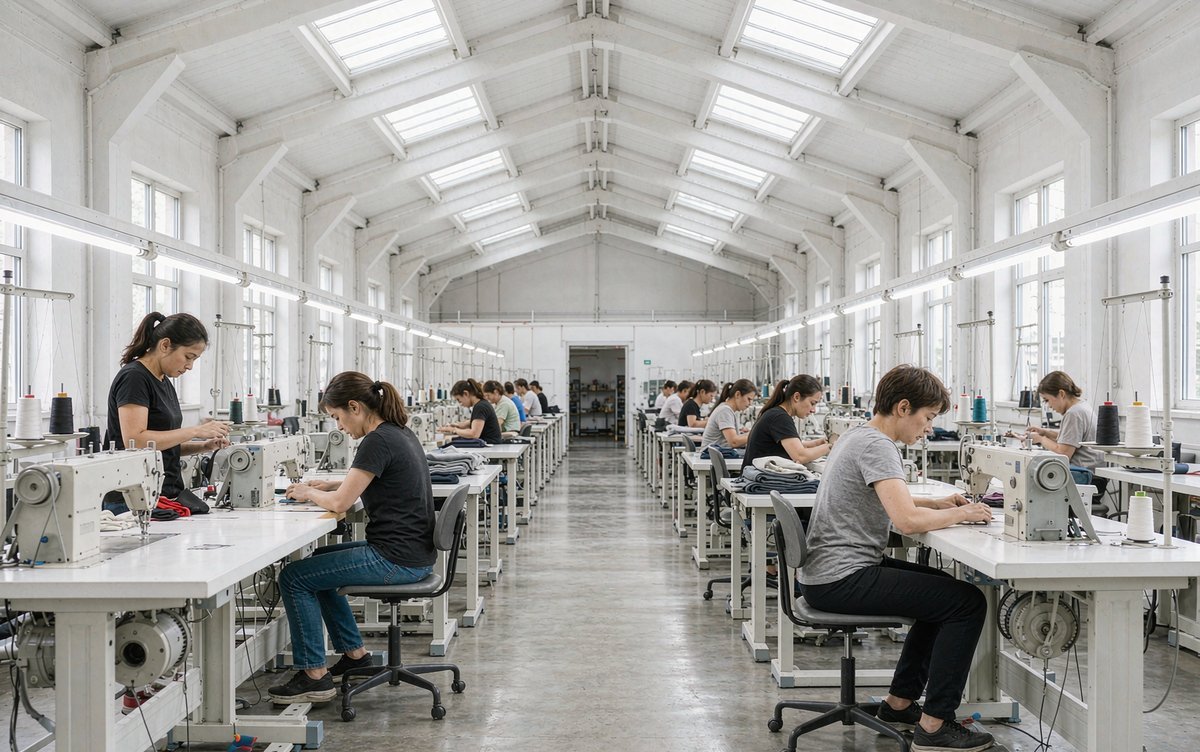
A real production floor stitching activewear at scale. (AI-generated image)
- Fabric minimums. Mills usually require a minimum purchase per color, called a dye lot. Buying fabric for 100 units versus 1,000 changes the unit cost dramatically.
- Line changeover. Switching a production line from one style to another costs time and labor. A factory earns that back over thousands of units, not hundreds.
- Cutting efficiency. A cutting table that lays 1,000 units at once wastes material when it only cuts 100.
- Setup overhead. Pattern work, size grading, and first-piece approval happen regardless of order size.
A factory that accepts 100 pieces is essentially saying: we will absorb some of this inefficiency to earn your long-term business. That is a signal worth paying attention to, and it is exactly the kind of partner a startup should be looking for.
Where to Find Activewear Manufacturers for Startups
Founders find startup-friendly manufacturers in four main places:
- B2B sourcing directories and marketplaces, such as Alibaba, Made-in-China, and GlobalSources.
- Trade shows, including Sourcing at MAGIC, the Canton Fair, and the Global Sourcing Expo.
- Industry communities and referrals from other founders who have already gone through production.
- Direct factory outreach, especially when you already have a clear tech pack and a defined quantity.
How to Vet a Factory, in Order of Importance
Finding a name is easy; vetting is where startups get hurt. Work through this list in order, and do not skip the first item.
1. Verifiable certifications
BSCI, ISO 9001, and OEKO-TEX are the standards that matter for activewear. Ask for certificate numbers you can verify, not just logos on a website. For a full walkthrough of what each one actually checks, read our guide to GRS, OEKO-TEX, and BSCI certifications.
2. Real factory evidence
Video calls, factory photos, and ideally an on-site or third-party audit. A factory that will not show you the floor is outsourcing the work, and you are paying a middleman without knowing it.
3. Sample speed and quality
Seven to fifteen days is a healthy benchmark for a first sample. Slower is not automatically bad, but it is a data point. For the full picture on what your order will cost and how long it takes, read our breakdown of activewear costs, MOQs, and lead times.
4. Communication quality
Do they ask smart questions about your design and construction, or do they just quote a price? The first one is a manufacturer; the second is a vendor. If you are weighing private label against a fully custom build, read Private Label vs White Label vs OEM vs ODM before you commit.
What a 100-Piece Minimum Actually Includes
Let us be concrete, because "low minimum" is a vague phrase that means nothing until you see the numbers.
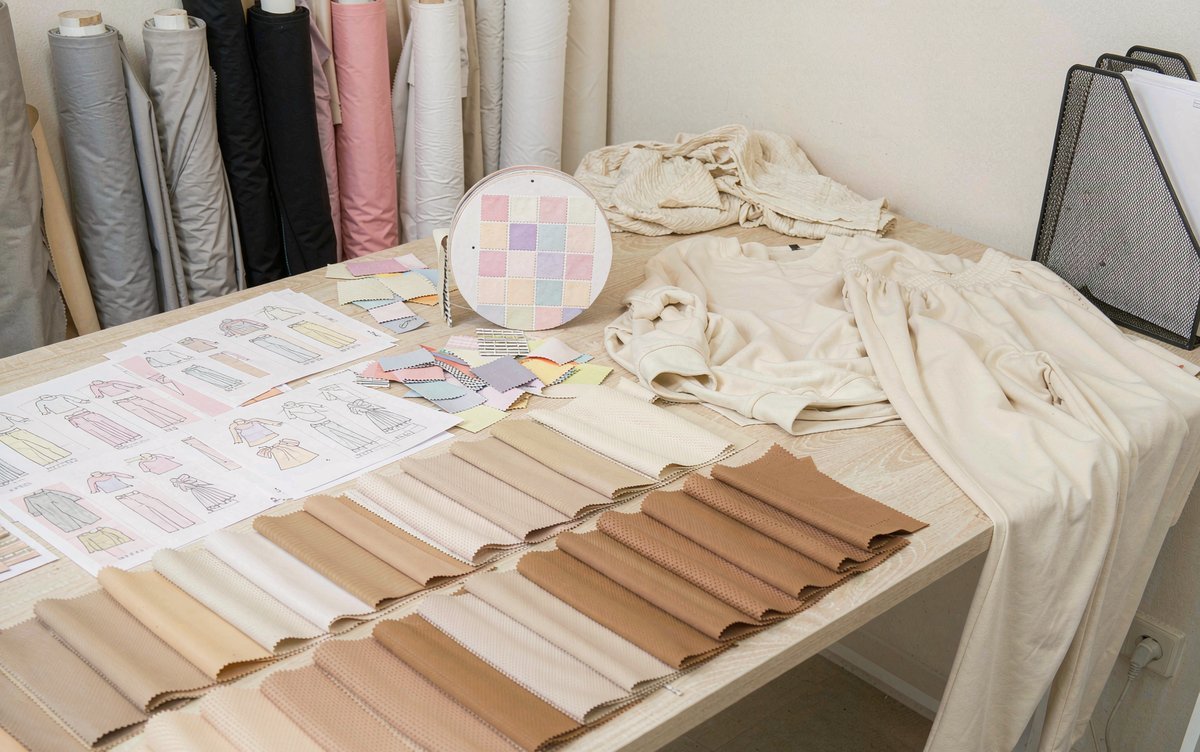
Fabric swatches, patterns, and sampling: the development work behind every production order. (AI-generated image)
Here is what 100 pieces looks like in practice
- 100 pieces per style per color, with mixed sizing allowed across that total, for example 20 S, 30 M, 30 L, and 20 XL.
- 7 to 15 days for sampling, so you can approve fit and fabric before you commit to bulk.
- 25 to 30 days for bulk production after approvals and production conditions are confirmed.
- Full OEM and ODM: your design, your tech pack, your labels, and your packaging.
This is real manufacturing, not a sample-pack service. If you are still deciding which categories to launch, start with our guide to the most profitable activewear categories, and plan the SKU mix with our first-collection planning guide.
Your First Production Checklist
Once you have found a factory, run your first order through this sequence. It is the difference between a smooth launch and a costly redo.
1. Finalize a tech pack. Measurements, materials, construction, and logo placement all in one document. This is your contract with the factory; get it right before anything is cut. See our complete tech pack guide.
2. Approve a fit sample before bulk. Never approve bulk from a sketch. Work through the sketch-to-sample process, then use a 25-point fit sample checklist before signing off.
3. Lock fabric, color, and trims. Approve physical swatches and color references, not screenshots. Color shifts between lots are a real risk; a locked standard protects every future reorder.
4. Run bulk with documented QC. Insist on documented quality control, not a promise. Start with a process that goes beyond AQL 2.5 and ten QC checkpoints that separate bulk from samples.
Match Your Order to Your Stage
The point of a low opening minimum is not to stay small. It is to de-risk the decision to get started. Match your order to where your brand actually is.
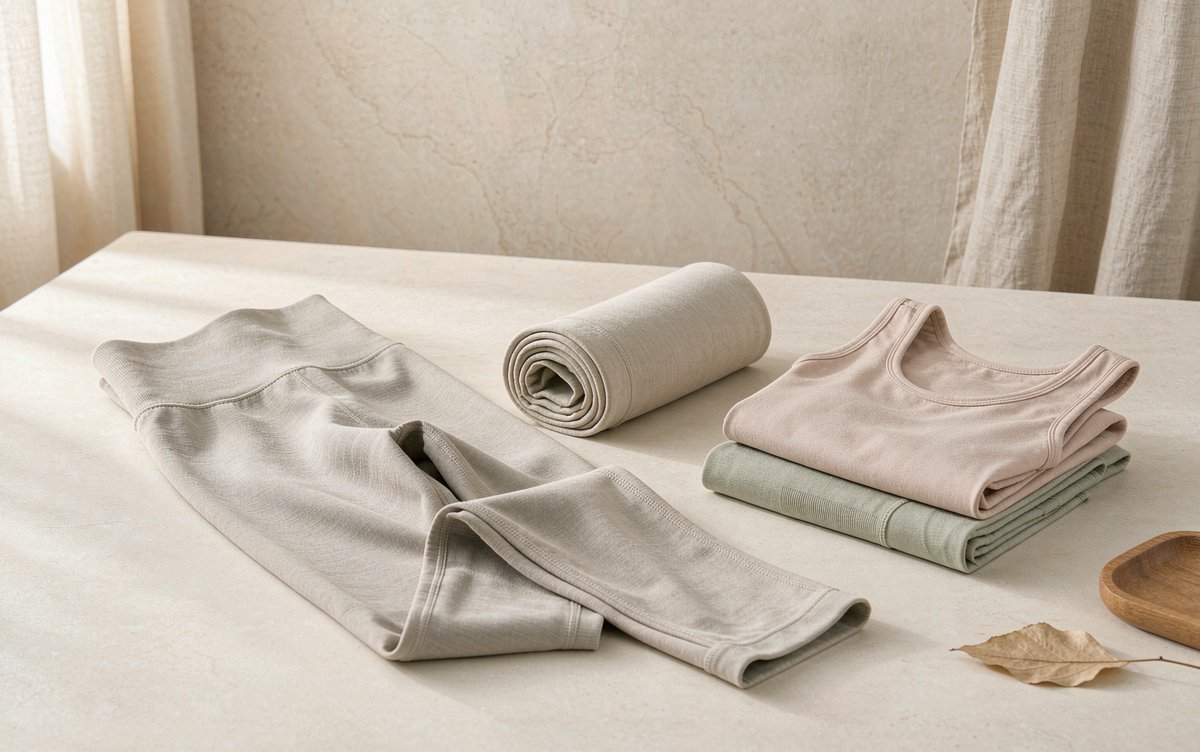
One hero style, validated in a 100-piece test run, then scaled by what sells. (AI-generated image)
Testing Stage
100 pieces, one hero style, black plus one signature color. Your goal is to learn what sells.
Growth Stage
200 to 500 pieces across two or three validated styles. Reorder what worked; retire what did not.
Scaling Stage
Larger runs on proven styles, seasonal color drops, and a stable reorder cadence.
If you want to build a supply chain that scales with you instead of against you, read why agile supply chains win. And if you are weighing which country to produce in, our China vs Vietnam vs Bangladesh comparison will help you decide.
Frequently Asked Questions
Can I mix sizes within the 100-piece minimum?
Yes. The 100-piece minimum is per style per color, and mixed sizing is allowed across that total, for example 20 S, 30 M, 30 L, and 20 XL.
Do you offer dropshipping or one-piece orders?
No. We are a B2B factory focused on bulk OEM and ODM production. We do not support dropshipping or B2C retail orders.
How long does sampling take?
Typically 7 to 15 days, depending on fabric availability, product complexity, and customization.
What if I only want 100 pieces once and never reorder?
A single test run is fine for validating a style, but the economics work best when you reorder. A low opening minimum is designed to get you to a proven product, after which reorders become faster and more efficient.
The Hardest Step Is the First Order
The hardest part of starting an activewear brand is not the design, the logo, or even the marketing. It is the first production order. A 1,000-unit minimum forces you to bet your entire budget before you have sold a single piece. A 100-piece minimum lets you bet a fraction of it, learn from real customers, and scale on sales data instead of guesswork.
If you are ready to move from idea to production without overcommitting, send us your design or tech pack. We will walk you through fabric, sampling, and a production plan built around a 100-piece minimum, so your first order is a calculated step, not a leap of faith.