Beyond AQL 2.5: The 5-Step Quality Control Process for Premium Activewear
When you are sourcing basic promotional t-shirts, relying on the industry-standard AQL 2.5 (Acceptable Quality Limit) makes sense. But when your brand sells $100+ yoga pants or high-performance jackets, AQL 2.5 is a risky gamble.
Here is the cold, hard reality of AQL 2.5: it is a sampling method. It fundamentally accepts that a certain percentage of your bulk order will be defective. If you are an independent founder building a loyal community, shipping even one pair of leggings with a twisted seam or a faulty zipper can cost you a customer for life. In the age of social media, one "see-through" legging video can destroy months of marketing effort.
At Call The Style, we refuse to play the sampling lottery. We believe premium activewear requires a zero-compromise approach. Today, we are opening our technical manual to show you our 5-Step Strict Quality Control Process that ensures every single garment is retail-ready.
📊 The Reality Check: Standard Factory vs. Call The Style
| QC Metric | Traditional Factory (AQL 2.5) | Call The Style Standard |
|---|---|---|
| Final Inspection | Random Sampling (e.g., 10%) | 100% Full Visual Inspection |
| Fabric Shrinkage | Industry Average (≤5%) | Strictly Controlled at ≤3% |
| Weight (GSM) Tolerance | Often fluctuates >10% | Rigorous ±5% Tolerance |
| Metal Detection | Optional / Random Check | 1.0mm Ferromagnetic Detection |
Step 1: Fabric Inspection & The "Relaxing" Process
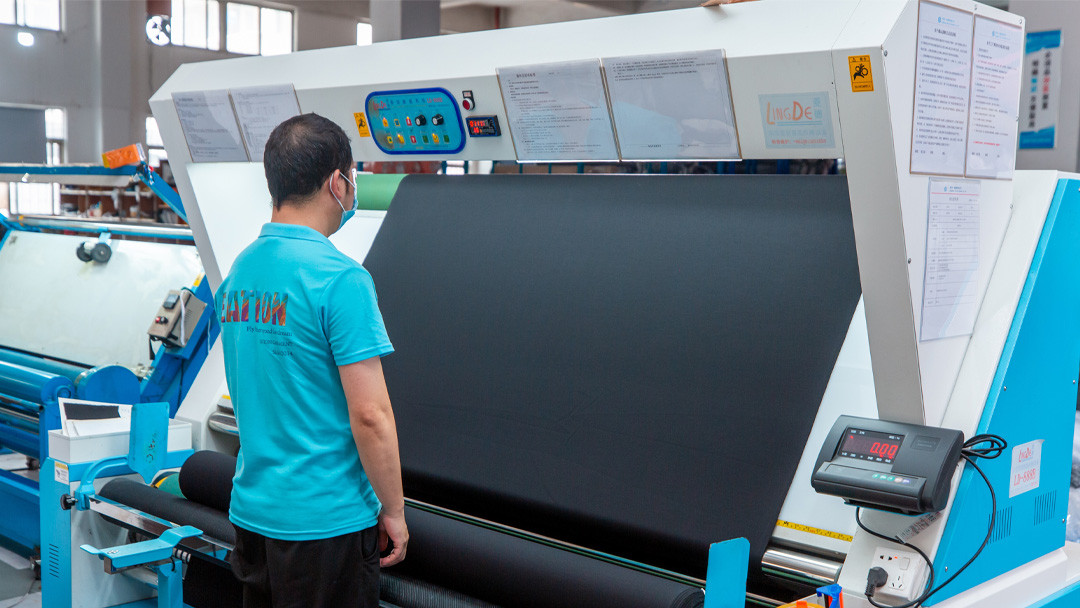
Quality control starts the moment the fabric rolls hit our warehouse floor. We use 4-point system inspection machines to check for weaving defects and color consistency. We enforce a strict ±5% GSM (Grams per Square Meter) tolerance to ensure your fabric weight is exactly as promised—not a gram thinner.
But here is the step most cheap factories skip to save time: Fabric Relaxing. High-performance fabrics are heavily blended with Spandex and are tightly rolled during shipping. If you cut the fabric immediately, it will shrink significantly after the customer's first wash. We let our fabrics unroll and "relax" for 24-48 hours before the blade ever touches them. This is how we guarantee a strict shrinkage rate of ≤3%.
🚫 The "Color Bleeding" Nightmare
Activewear is subjected to intense sweat and frequent washing. We perform Crocking and Colorfastness tests (both dry and wet) on every batch. For multi-colored designs (like black panels on white fabric), we simulate high-moisture environments to ensure zero color migration. If it fails our lab test, it never makes it to the sewing line.
Step 2: Precision Cutting & Grain Line Alignment
In sportswear, precision cutting is the difference between a garment that performs and one that twists uncomfortably. Our cutting department double-checks the grain line of the fabric before starting.
If panels are cut "off-grain" just to save a few cents on fabric yield, the finished product will suffer from "leg twisting"—a defect where the side seam spirals toward the knee during movement. We inspect critical cut panels 100% before they enter the sewing lines to ensure structural perfection.
Step 3: In-Line Sewing Patrol & Seam Strength
Waiting until a garment is finished to find a mistake is too late. Our In-line QC inspectors walk the sewing floor daily, monitoring each production module.
Activewear relies on 4-needle 6-thread flatlock stitching. These seams must be strong enough for intense stretching, yet flat enough to prevent skin irritation. Our inspectors physically perform seam pull-tests right on the production floor. If we catch skipped stitches or improper tension, the line stops, the machines are recalibrated, and the affected panels are fixed immediately.
Step 4: Measurement Integrity & Fitting Validation
Inconsistent sizing is the fastest way to kill an e-commerce brand's profitability. To prevent this, we check random samples against your Tech Pack throughout the day.
We don't just use a measuring tape on flat surfaces. We conduct live Fitting Sessions on standard mannequins. We check how the fabric drapes at the crotch, waist, and bust. If the fit isn't consistent across every colorway and size run, it doesn't leave our factory.
🛠️ Hardware & Trims: The Pull-Test
A premium jacket is worthless if the zipper fails. We perform repetition and pull-tests on all trims, from YKK zippers to elastic drawstrings. We ensure all accessories can withstand the rigors of high-performance use without snapping or jamming.
Step 5: 100% Final Inspection & Metal Detection
This is where we differ from 95% of the factories in Asia. We do not use random sampling for the final stage. We execute a 100% Full Visual Inspection. Every single garment is hand-checked by a trained inspector to trim loose threads, remove stains, and check zipper functionality.
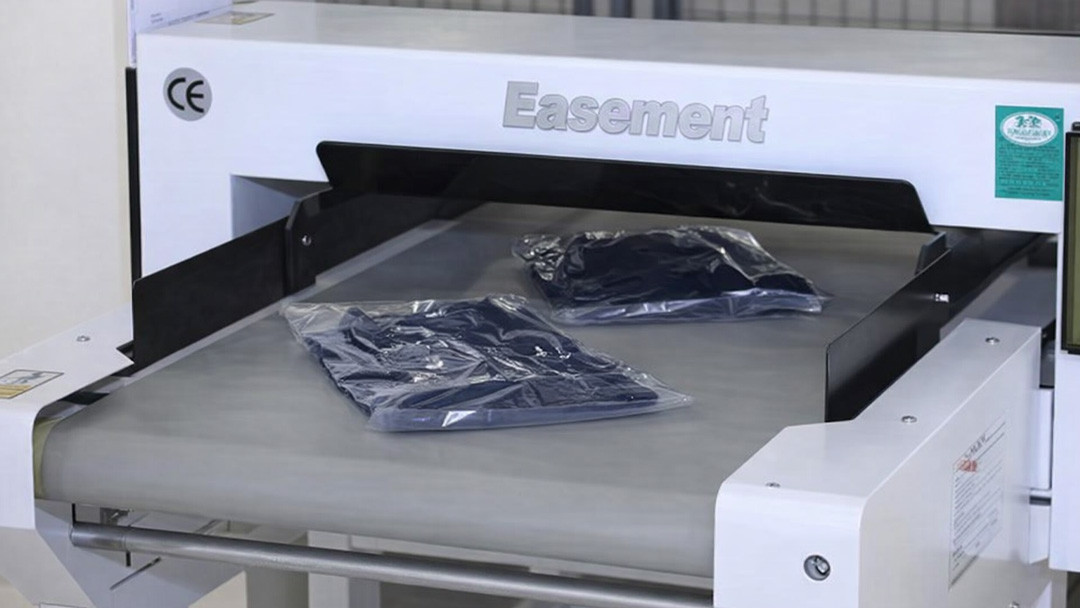
Finally, we handle the most important safety red line. Before entering the polybag, 100% of our production runs through a Needle Detector. Our machines are calibrated to find ferromagnetic fragments as small as 1.0mm. In next-to-skin activewear, ensuring zero broken needles are left behind is a non-negotiable safety standard.
The Business Case: Why "Cheap" is Expensive
As a brand founder, you might be tempted to save $0.50 per unit by choosing a factory that only does random sampling. But let's look at the hidden costs of poor quality:
- High Return Rates: Shipping costs for returns and lost original shipping fees.
- Brand Erosion: Negative reviews on Shopify or Amazon that take months to bury.
- Dead Stock: Inventory you cannot sell because of sizing or color bleeding issues.
By investing in a partner like Call The Style that prioritizes 100% inspection and rigorous testing, you aren't just buying clothes—you are buying peace of mind and protecting your long-term brand equity.
Your Brand Reputation Deserves 100% Inspection
Stop risking your future on random factory sampling. Join the independent brands that trust Call The Style for high-performance, flawlessly manufactured activewear.
REQUEST A QUALITY SAMPLEFrequently Asked Questions (FAQ)
Q: Why is AQL 2.5 not enough for premium yoga wear?
A: AQL 2.5 is a sampling method that accepts a small percentage of defects. For premium yoga wear, even a 1% defect rate can lead to catastrophic customer reviews. We use 100% final visual inspections to ensure total quality.
Q: How do you prevent leggings from shrinking after wash?
A: We use a "fabric relaxing" process where high-stretch materials are unrolled for 24-48 hours before cutting. This combined with strict lab testing keeps our shrinkage rate at ≤3%.
Q: Do you test for color bleeding in contrast-stitch leggings?
A: Yes. We perform both wet and dry crocking tests and wash tests on all contrast-color designs to ensure there is zero color migration during intense workouts or home laundering.
Q: What is the benefit of a 1.0mm needle detector?
A: It protects your brand from liability. Broken needles are a major hazard in skin-tight activewear. Our high-precision detection ensures every piece of clothing is 100% safe and metal-free.