
Home / Start designing
- Select Color
- Upload Art
- Add Text
- Select Art
- Art maximum 2000px, format *.png, *.jpg
- Text
- Order
- Select Color
- Edit text
- Choose a font
- Select Color
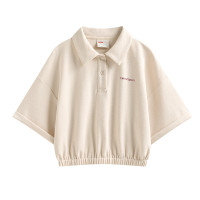
Buy Now
Add Products
Send Inquiry
- *Title
- *Content
- What Should I Do If My Garment Measurements Differ From the Factory Inspection Report?Resolve measurement discrepancies by identifying the same garments, confirming POMs, units, methods, and garment condition, then documenting a joint recheck against the approved specification and tolerance.
- Are Body Measurements and Finished-Garment Measurements the Same?Body measurements describe the wearer; finished-garment POMs describe the product. Keep the charts separate, distinguish flat widths from circumferences, and approve fit, grading, and tolerances for the intended fabric.
- How Should Brands Choose Fit Models and Wear Testers for Custom Activewear?Choose fit models whose recorded body measurements match the brand’s target size, and select wear testers for the intended activity and body range. Keep garment measurements, tester measurements, and fit comments in separate records so approval reflects the intended customer rather than one convenient wearer. Archive fit feedback by body type, size, and activity, and state the approval scope clearly.
- How Can Brands Reduce Activewear Manufacturing Costs Without Changing Critical Requirements?Reduce activewear manufacturing cost without compromising the brief: lock the unchanged requirements first, then compare fabric, color, construction, trims, and packaging against the same specification. Show unit price, one-time fees, MOQ, and timing side by side, re-sample or retest any change, and keep the approved version on file.
- How Should an Approved Reference Sample Be Identified and Retained?Identify approved activewear reference samples by sample ID, style, revision, approver, and exceptions. Agree storage, retention, replacement, and checks against current product records.
Please send your message to us
- *Title
- *Content