
Activewear Shipping and Freight: Air vs Sea, Lead Time and Cost
Here is the short answer most freight quotes will not give you: ship by sea for your bulk production, and keep air freight for the two moments that actually justify it — the first two weeks of a launch, and a bestseller that is selling out while the next container is still on the water. Sea moves roughly 90% of apparel by volume because nothing else comes close on cost. Air costs 20 to 25 times more per kilogram and buys you about four weeks. The decision is not "which is cheaper." It is "which is cheaper for this specific shipment, at this specific moment."
Quick Answer
Choose sea freight for bulk, non-urgent production — it is dramatically cheaper per kilogram, with roughly 25–40 days door-to-door from Asia to the US. Choose air freight for samples, launch windows, and urgent restocks — around 3–10 days at roughly 4–8 USD per kilogram. Compare quotes only after you know the chargeable weight (the higher of actual and volumetric weight) and the pricing unit (per kg, per CBM, or per container). Rates move with season and lane, so treat every number as a reference and confirm it with your forwarder.
I have seen founders stare at two quotes — one sea, one air — and conclude the freight forwarder made a typo. The sea quote said a few hundred dollars. The air quote said several thousand. Both were correct. They were just priced on completely different logic. This guide is about understanding that logic, so you can make the call yourself instead of guessing.
Air vs Sea: The Comparison That Actually Matters
Let's put the numbers on the table first, with the honest caveat that every figure here is a reference range, not a quote. Lanes, seasons, fuel surcharges and carrier capacity all move the final number.
| Mode | Typical transit, Asia to US | Indicative rate | Best for |
|---|---|---|---|
| Sea, FCL | 25–40 days | Priced per container | Bulk production, seasonal builds |
| Sea, LCL | 30–45 days | Per CBM (cubic metre) | Smaller brands, 1–15 CBM |
| Air freight | 3–10 days | Roughly 4–8 USD/kg | Samples, launches, urgent restocks |
| Express courier | 2–7 days | Roughly 7–15 USD/kg | Samples and small parcels |
Reference ranges compiled from public 2026 freight guides. Rates vary by lane, season, cargo type and carrier; confirm with your forwarder. Latest checked: November 2026.
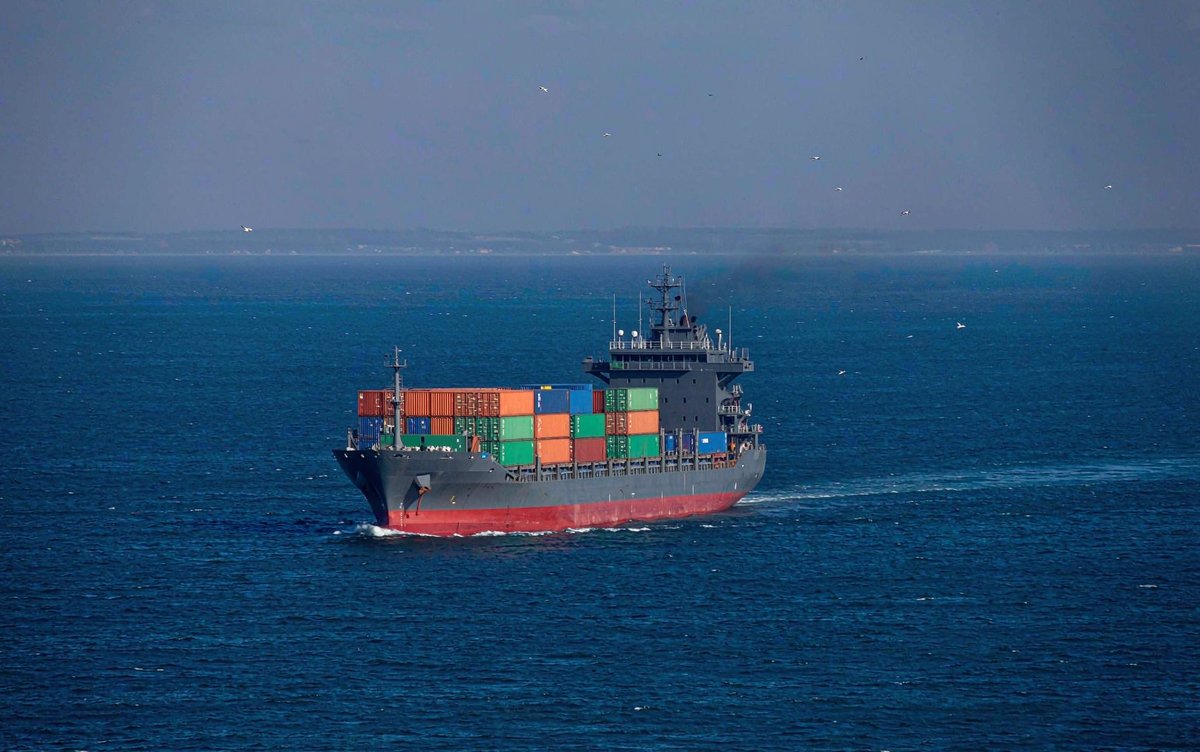
Sea freight is the backbone of apparel supply chains — cost-effective, slow, and worth planning around. (AI-generated image)
Why Two Quotes Can Look 10x Apart
This is the part that confuses almost everyone at first. Freight is not always priced the same way. Three different units show up in quotes, and comparing them directly is like comparing a price per litre with a price per tank.
| Pricing unit | What you pay for | Where you see it |
|---|---|---|
| Per kilogram | Each kg of chargeable weight | Air freight, express |
| Per CBM | Each cubic metre of space your cartons occupy | LCL sea freight |
| Per container | The whole container, regardless of how full it is | FCL sea freight |
A 40-foot container rate can look enormous as a single number and still be the cheapest option per garment if you fill it. A per-kilogram air rate can look modest until you multiply it across a full production order. Always convert a quote to a landed cost per unit before you compare. Our guide to manufacturing costs, MOQs and lead times shows the full cost sheet this belongs in.
Chargeable Weight: The Number That Decides Your Air Freight Bill
Air freight has a subtle rule that catches new brands: you are charged on the higher of two numbers — the actual weight and the volumetric weight. Carriers will not ignore a big, light box, because it takes up space on the plane.
Volumetric weight (kg) = length × width × height (cm) ÷ 6000
Chargeable weight = the higher of actual weight and volumetric weight
Here is an illustrative example, not a real shipment. Say one carton is 50 × 40 × 40 cm and weighs 15 kg.
| Measure | Value | Note |
|---|---|---|
| Actual weight | 15 kg | From the scale |
| Volumetric weight | 50 × 40 × 40 ÷ 6000 = 13.3 kg | Illustrative calculation |
| Chargeable weight | 15 kg | The higher of the two |
In this case actual weight wins, so nothing changes. But swap that carton for something light and bulky — a box of padded jackets or a large puffer — and the volumetric number can be two or three times the real weight. Activewear is dense and folds flat, which is good news: you are usually charged close to actual weight. That is one small advantage of shipping compressed garments rather than bulky ones.
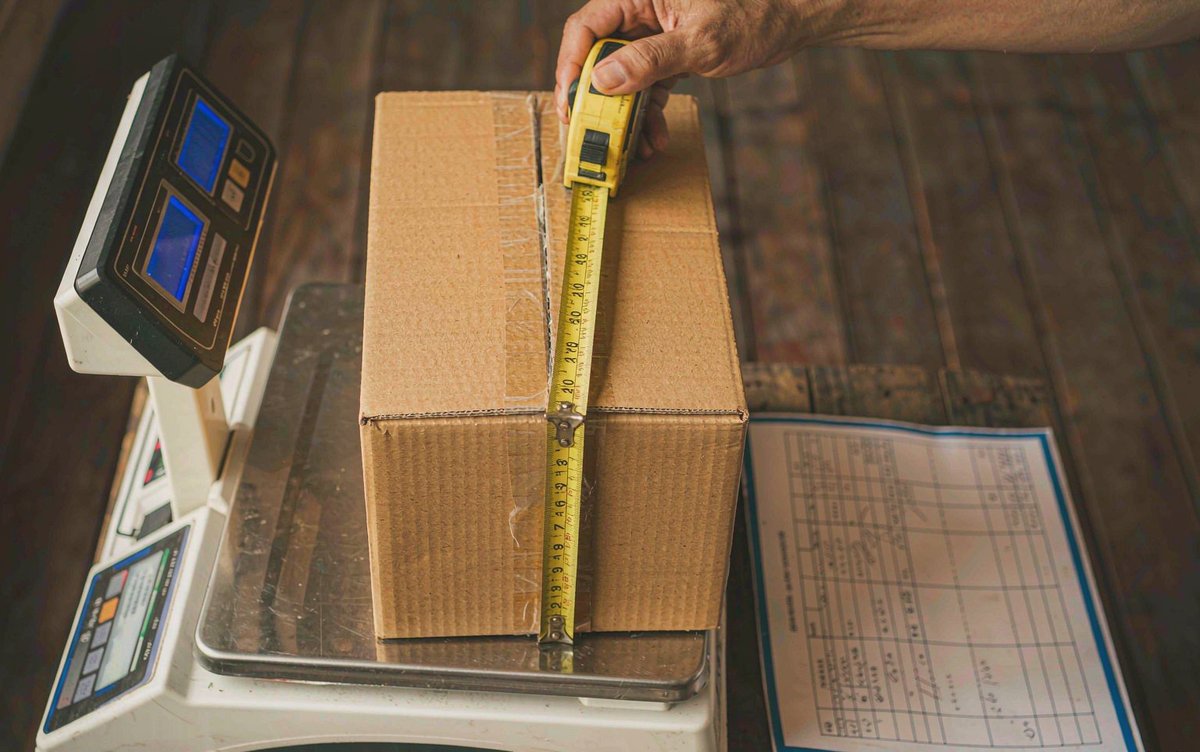
Carton dimensions matter as much as weight on air freight. Measure before you book. (AI-generated image)
Speed Is Not Just About Days — It Is About Reliability
Transit time is the number everyone quotes. Reliability is the number that decides whether your launch lands on time. Public industry comparisons put air freight on-time delivery noticeably higher than ocean, with far tighter variance. A sea shipment quoted at 30 days can arrive in 25 or stretch to 45 when a port gets congested. An air shipment quoted at 5 days tends to stay near 5.
That variance is why a launch calendar should be built backwards from the date, with buffer chosen to match the mode. If you are working to a fixed marketing date, our launch calendar guide is where the shipping decision belongs — not as an afterthought once the samples are approved.
The Hybrid Most Brands End Up Using
Ask a brand whether they use air or sea and the honest answer is usually both. The pattern that works looks like this:
- Sea for the bulk. Your core production order ships by sea and arrives well before the selling season.
- Air for the launch window. A small quantity of your hero style lands early so you can shoot content, fulfill pre-orders, and open on time.
- Air for the mid-season restock. When a bestseller is moving faster than planned, a targeted air shipment covers the gap until the next container arrives.
Air freight works out to a small share of total freight spend when it is used this way — a scalpel, not a default. The mistake is letting air become the fallback for poor planning. If you are routinely air-freighting your core orders, the problem is upstream in your production schedule, not in your choice of carrier.
Booking and Documents: Where Delays Actually Happen
Most shipping delays are not caused by the ship or the plane. They are caused by paperwork that does not match. The commercial invoice, packing list and transport document need to agree with each other down to the quantities and values.
One thing worth being precise about: freight and customs are two different bills. This guide covers moving the goods; duties, HS codes and clearance fees are covered separately in our guide to US import duties and landed cost. If you are comparing supplier offers, our quote comparison guide shows which shipping terms to align before you sign.
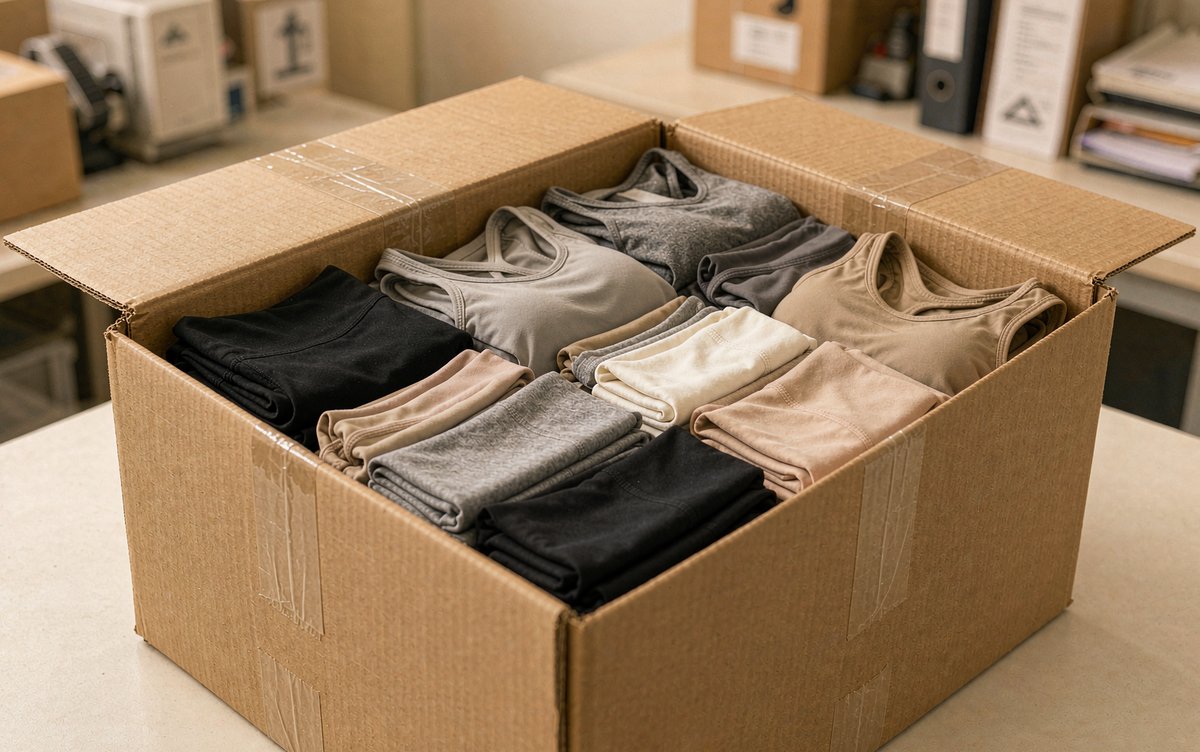
Dense, well-packed garments keep chargeable weight close to actual weight — a quiet cost advantage. (AI-generated image)
A Note on Carbon, If It Matters to Your Brand
There is one more difference that brands with sustainability claims should weigh. Public comparisons put air cargo emissions at roughly 500 g CO2 per tonne-kilometre, against around 15 g for sea — roughly a 30-fold gap. If your brand makes an environmental claim you have to defend, every air shipment works against that story. That is another reason to reserve air for genuinely time-critical goods rather than routine replenishment.
Emissions figures are indicative industry comparisons from public 2026 sources, not measurements of any specific shipment. Latest checked: November 2026.
Frequently Asked Questions
Should a brand ship activewear by air or sea?
Use sea for bulk production and planned replenishment; use air for samples, launch windows and urgent restocks. If you are choosing for a full production order with a normal timeline, sea is almost always the right default.
How much cheaper is sea freight than air freight?
Per kilogram, sea is commonly 20 to 25 times cheaper than air. The exact gap depends on the lane, season and how you pack. Compare the total landed cost per unit, not the headline rate.
What is chargeable weight and why does it matter?
It is the higher of a shipment's actual weight and its volumetric weight (dimensions in cm divided by 6000). Airlines charge on that number, so a light but bulky box can cost far more than its scale weight suggests.
How long does sea freight take from Asia to the US?
Roughly 25–40 days door-to-door for FCL, and 30–45 days for LCL, depending on the port pair and congestion. Air freight is typically 3–10 days. Build your calendar backwards from the date you need the goods.
Can I split one order between air and sea?
Yes, and many brands do. Send a small air shipment to cover the launch window or first restock, then ship the balance by sea. Just keep the packing lists and invoices consistent for customs.
Make the Freight Decision Part of Your Plan
Freight is not a line item you fill in at the end. It shapes your launch date, your cash flow and your margin. Know your chargeable weight, convert every quote to a cost per unit, and decide mode by the job the shipment has to do. Sea is the backbone. Air is the tool you reach for on purpose.
Last reviewed: November 2026. Freight rates and transit times change with season, lane and carrier capacity; confirm current figures with your forwarder before booking.