How to Compare Activewear Manufacturing Quotes
The cheapest quote is rarely the cheapest order. When brands line up five activewear quotations and pick the lowest number, the savings usually disappear somewhere between sampling and shipment: a fabric swap nobody approved, branding billed separately, an inspection that turns out to mean somebody glanced at a carton.
The fix is unglamorous. Make every factory quote the same thing before you compare anything. Send one identical brief, fix the quantities, list the inclusions, and normalize every price to the same shipping term and currency. This guide covers what a complete activewear quote should include, how to normalize quotes so they are actually comparable, what sits inside a unit price, and the red flags worth checking before you shortlist a manufacturer.
Quick answer
How can brands compare activewear manufacturing quotes fairly?
Send every manufacturer the same brief: the same tech pack or reference sample, the same fabric specification, the same quantities per style and color, and the same destination market. Then normalize each quote to the same MOQ, the same inclusions (fabric, trims, branding, packaging, testing) and the same Incoterm before comparing unit prices. Two quotes that do not cover the same scope are not comparable yet, no matter how different the numbers look.
Why the lowest quote is rarely the cheapest order
A unit price is not a product. It is a bundle of assumptions: which fabric, which trims, which branding method, which packaging, which inspection standard, which shipping term. Two factories can quote the same legging $0.60 apart and both be telling the truth. They are just quoting different bundles.
Illustrative planning example. The figures below are simplified planning numbers, not actual quotations.
| What the quote covers | Quote A | Quote B |
|---|---|---|
| Headline unit price | $4.60 | $5.20 |
| Fabric spec | 220 GSM nylon-spandex, swatch reference attached | Not stated |
| Branding | Heat-transfer logo and woven label included | Not mentioned |
| Packaging | Individual polybag and carton marks included | Polybag only |
| Inspection | AQL 2.5 final inspection, stated in writing | Quality checked |
| Shipping term | FOB, quoted port named | Not stated |
| Sample policy | Fee refunded at 300 pieces per style | Not stated |
On the headline number, Quote A looks better by $0.60. On scope, Quote B has not really quoted a garment yet. Every line marked "not mentioned" is a decision that resurfaces mid-production, and mid-production is the most expensive place to negotiate it.
What a complete activewear quote should include
Before comparing prices, check completeness. A quote you can actually evaluate states the following:
| Item | What it should state | Why it matters |
|---|---|---|
| Fabric specification | Composition, GSM, knit structure, stretch type, finish, swatch reference | Composition alone does not describe performance |
| MOQ basis | MOQ per style and per color, and whether sizes can be mixed | "100 pieces" can mean per style, per color, or per order |
| Sample terms | Sample cost, revision policy, refund conditions | Sample rounds are a real budget line |
| Unit price tiers | Price at 100 / 300 / 500 / 1,000 pieces | One tier hides the volume curve |
| Branding and trims | Logo method, labels, hangtags: included or priced separately | Branding is often billed after the quote is signed |
| Packaging | Polybag, carton marks, retail-ready requirements | Retailers and marketplaces impose packaging rules |
| Testing | Which tests are included and whether reports are shared | A report from a similar fabric is not evidence for yours |
| Inspection standard | AQL level and inspection stage, in writing | "Quality checked" is not an inspection standard |
| Lead time basis | What the clock starts from and what it excludes | Making time excludes sample review and shipping transit |
| Shipping term and currency | Incoterm, currency, destination | FOB and DDP are not the same kind of number |
| Quote validity | Date until which the pricing holds | Fabric and freight prices move |
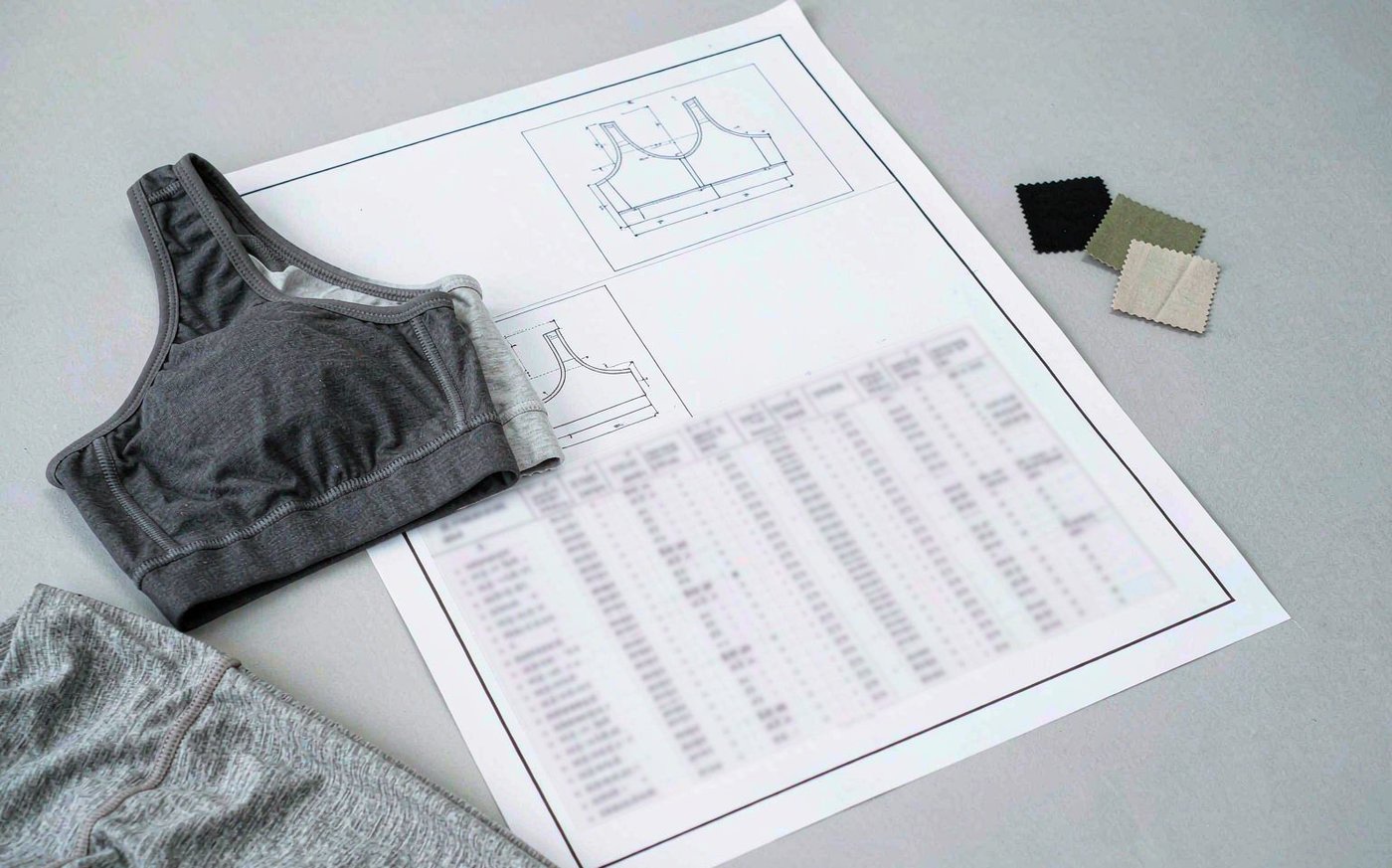
Normalize quotes before you compare them
Once the quotes arrive, normalization is mostly bookkeeping. Five steps:
- Send one identical brief to every factory. Same tech pack or reference sample, same fabric spec, same colorways, same destination market.
- Fix the quantity basis. Ask each factory to price at the same volumes, under the same MOQ definition, per style and per color.
- List inclusions in the RFQ. Branding method, labels, hangtags, polybags, carton marks, testing, inspection standard. If you do not list it, someone will assume it.
- Align commercial terms. Same Incoterm, same currency, same destination.
- Align the lead-time basis. Time from final approvals, excluding sample review and shipping transit. Sample development and bulk production are separate stages with separate clocks.
After normalization, compare like with like. In the illustrative example above, Quote B might land above Quote A once the missing scope is priced, or below it if its fabric sourcing is genuinely stronger. You cannot know until both quotes describe the same product.
What sits inside a unit price
Asking a factory to explain the cost structure of its quote is not an accusation. Good manufacturers answer it easily, and the answer tells you who you are dealing with. A typical activewear unit price bundles:
| Cost component | What it usually covers | Worth confirming |
|---|---|---|
| Fabric and trim consumption | Main fabric, linings, elastics, thread, estimated consumption per piece | Consumption assumptions and waste rate |
| CMT: cut, make, trim | Cutting, sewing and finishing labor | Machine capability for your construction: flatlock, coverstitch, binding |
| Branding application | Heat transfer, silicone, embroidery, woven labels | Whether artwork setup is a one-off fee |
| Packaging | Polybags, cartons, inserts | Retail-ready packaging is usually priced separately |
| Testing and inspection | Fabric tests and final inspection | Which AQL level, and whether reports are shared |
| Overhead and margin | Factory overhead and profit | Realistic margins fund the QC you depend on |
Two areas deserve extra attention at this stage. Sample pricing is its own mini-quote: fees, revision scope and refund conditions should be transparent before you commit, which is easier once you understand how activewear sample development and prototyping are scoped and quoted. And if you are building a private label program, confirm that branding and packaging sit inside the unit price rather than being added later. That is exactly what a private label activewear manufacturing partner should be able to price as one scope.
Red flags to check before you shortlist
None of these red flags proves a factory is bad. Each one proves a conversation you have not had yet.
| Red flag | Why it matters | What to ask |
|---|---|---|
| No fabric spec or GSM in the quote | Price and performance both depend on the exact fabric | Request the fabric reference and a swatch |
| Price far below every other quote | Someone made an assumption you have not seen | Ask what the price excludes |
| Missing Incoterm or currency | FOB and DDP differ by freight, duty and responsibility | Ask for the quote restated on your terms |
| "Quality checked" with no standard | There is no shared definition of acceptable | Ask for the AQL level and inspection stage in writing |
| Sample fee and revision policy unstated | Sample rounds are where budgets quietly leak | Ask for cost, revision scope and refund terms |
| No validity date | Fabric and freight prices move | Ask how long the pricing holds |
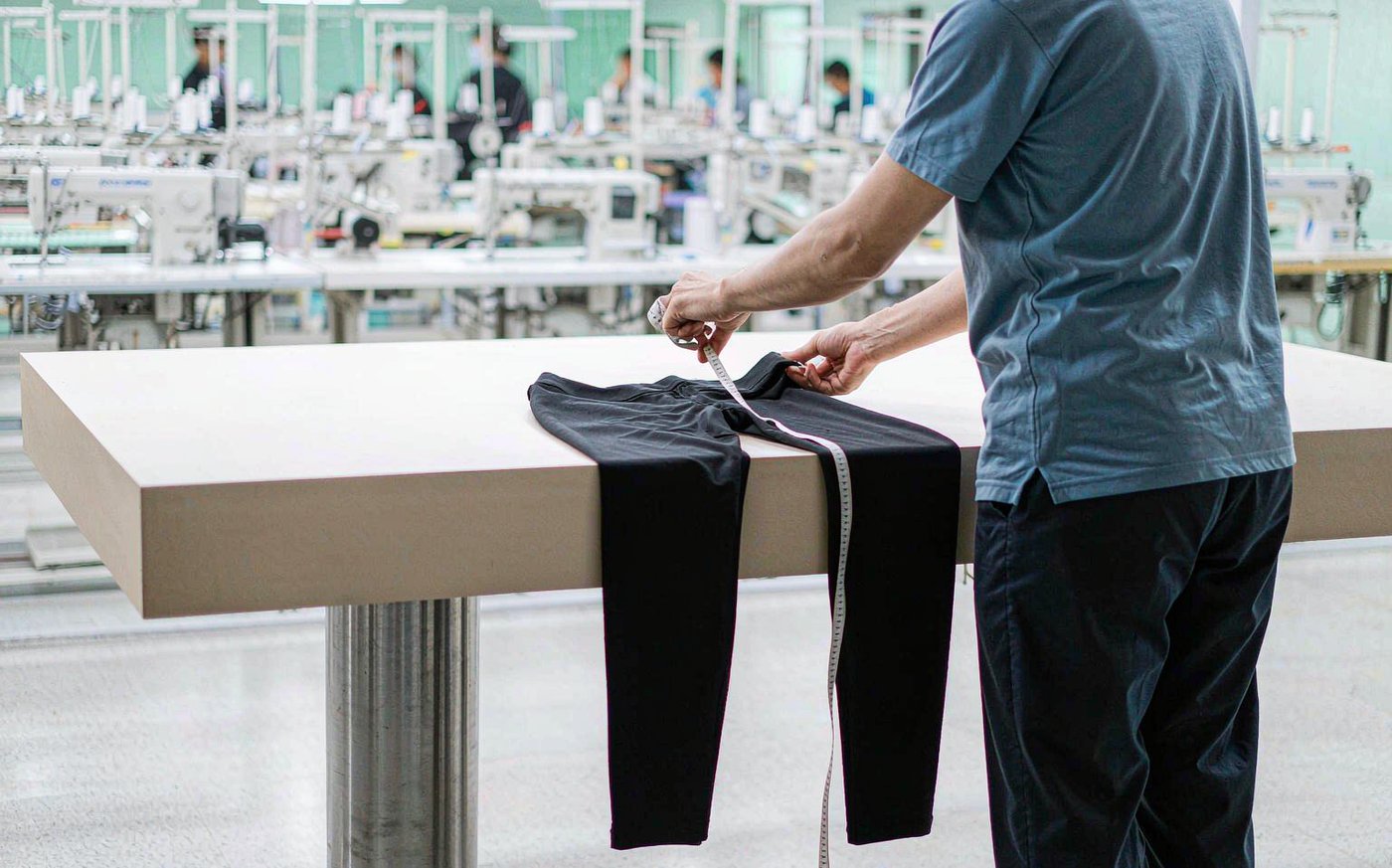
Buyer-side validation before you commit
A normalized quote is still a promise on paper. Three checks close the gap before the purchase order:
- Approve the fabric, not the fabric name. Ask for a swatch of the exact quoted fabric in the production-intent color, and judge hand feel, weight, stretch and recovery on that swatch.
- Sample against the quote, line by line. When the sample arrives, check it against every inclusion the quote promised: branding, labels, packaging, construction. If sampling is quoted at about 7 to 15 days, treat that as making time for a defined spec. It excludes your review time and shipping transit.
- Confirm the inspection plan in writing. If the quote says AQL 2.5 final inspection, that standard should appear in the purchase order and be checked against the finished goods, which is easier if you already know what to ask about AQL inspection before shipment.
For a first order with a new factory, a small pilot run is often cheaper than any dispute. A factory that resists a pilot, or refuses to restate its quote on a defined scope, is telling you something useful about the next six months.
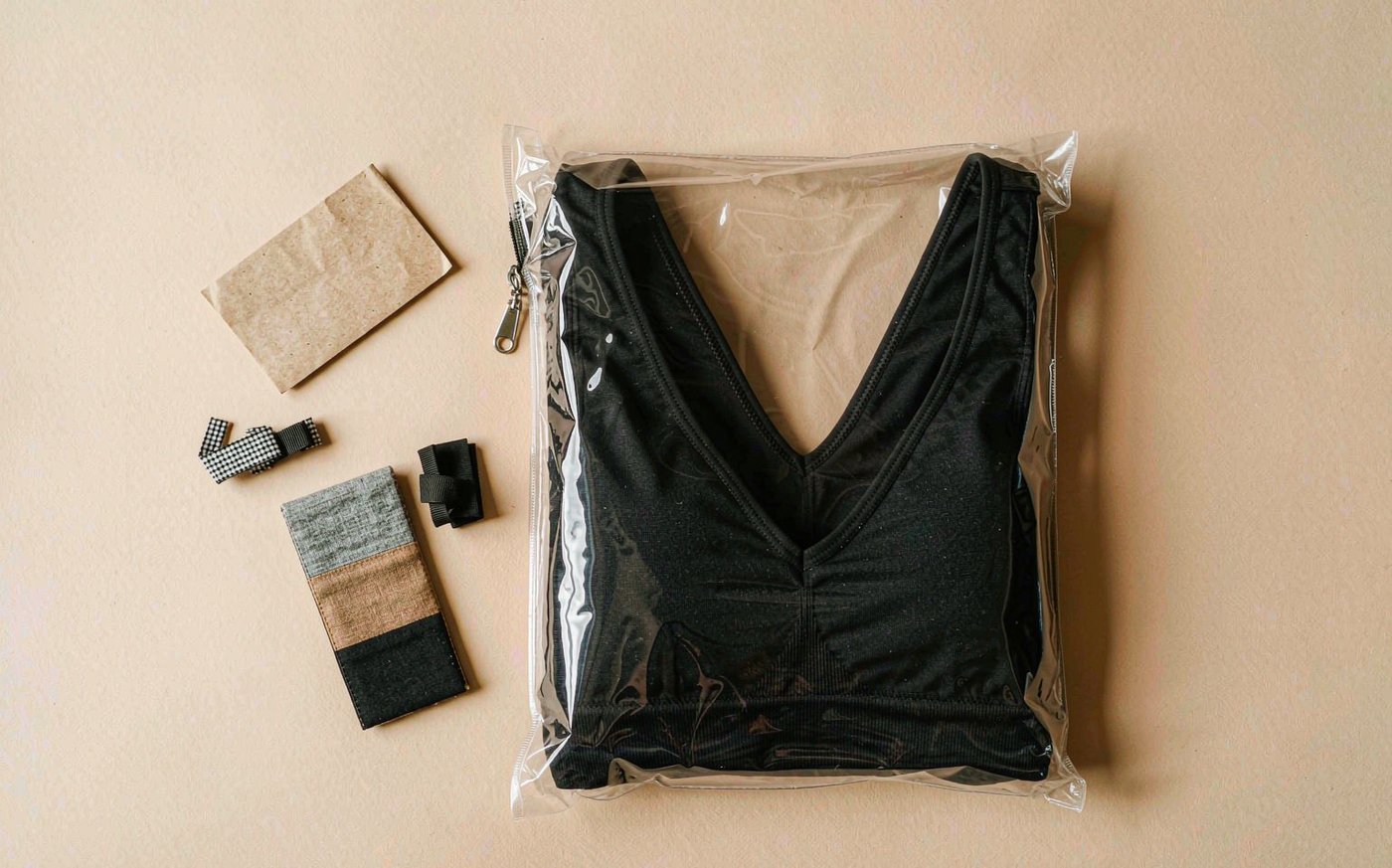
Common mistakes when comparing quotes
- Comparing FOB with DDP. A DDP price includes freight and duty. An FOB price does not. Convert everything to one Incoterm first.
- Judging fabric by composition only. Two 75/25 nylon-spandex fabrics can behave differently. GSM, knit structure and finishing decide.
- Reading one price tier as the price. Ask for 100, 300 and 1,000-piece tiers so you can see the curve.
- Assuming branding and packaging are included. They are the two most common add-on charges.
- Treating the first sample as the approval sample. Bulk is checked against a revised, signed-off sample, not against the first prototype.
- Ignoring the MOQ definition. A low MOQ that applies per order rather than per style and color changes your whole buying plan.
Questions to ask before you shortlist a factory
- Can you quote against this exact tech pack or reference sample, and what would you change?
- What does this unit price include, and what is billed separately?
- What is your MOQ per style and per color, and can sizes be mixed within it?
- Which Incoterm, currency and destination is this quote based on?
- What inspection will finished goods pass before shipment, and will I receive the report?
Frequently asked questions
Why do activewear manufacturers quote different prices for the same style?
Because they are quoting different scopes. Fabric sourcing, construction assumptions, branding methods, packaging, inspection standards, overhead and margin all differ between factories. Normalize the scope first; only then does the price difference mean something.
Should I share my target price with the factory?
You can, with context. A target price helps a supplier propose a fabric or construction that fits your budget instead of quoting one spec you cannot afford. Keep the performance requirements fixed and let the factory explain what it would adjust to hit the number. A factory that only cuts price without explaining what changed is a risk, not a discount.
What matters more: unit price or MOQ?
For early brands, MOQ usually matters more. A slightly higher unit price at 100 pieces per style per color, with mixed sizes, often beats a cheaper price that requires 1,000 pieces per style. The low-price option ties up cash and forces you to guess demand; the flexible option lets you correct the guess. Our guide to planning a first activewear collection covers this quantity math in detail.
How do I know if a quote is realistic for private label activewear?
Ask for the cost drivers behind the number: fabric reference and GSM, consumption, branding method, packaging and inspection. Then validate with a sample and a small pilot order. A realistic quote survives those three questions; an unrealistic one usually changes its scope instead.
Do lower quotes usually mean lower quality?
Not automatically. Most quote gaps come from scope differences and hidden assumptions, not from defective workmanship. Check what the low quote excludes before assuming anything about quality, then verify on the production-intent fabric and sample.
Compare scope first, price second
A quote that states its fabric, its inclusions, its inspection standard and its commercial terms gives you something to negotiate. A bare number gives you nothing but risk. In practice, the factories that answer a detailed RFQ cleanly are usually the ones that run detailed production.
If you are still deciding where to produce, our comparison of China, Vietnam and Bangladesh for custom activewear manufacturing covers the country-level cost picture behind these quotes. If quotes keep coming back inconsistent, the usual cause is upstream: here is what a factory-ready tech pack should contain. And for the broader decision, this guide to selecting a sportswear manufacturer covers verification beyond pricing.
If you want the quote itself to be simple, send your project details with product type, quantities, destination and target date. We quote at 100 pieces per style per color with mixed sizes, state what is included, and put the inspection standard in writing.
Technical references
- ICC Incoterms 2020 rules, International Chamber of Commerce: definitions of FOB, DDP and other shipping terms used in this guide.
- ISO 2859-1, Sampling procedures for inspection by attributes: the standard behind AQL-based final inspection.
- Sample development (about 7 to 15 days) and bulk production (about 25 to 30 days) are manufacturing-stage references based on Call The STYLE's published process. They exclude sample review time and shipping transit.