Activewear Production Timeline: From Deposit to Delivery
There is no honest single number for "how long does activewear production take from deposit to delivery?" Anyone who gives you one is either quoting one factory's conditions or leaving out the stages that happen before cutting and after the last stitch. The useful answer is a map: sample development, material preparation, bulk production, inspection and release, then transport. Each has its own start condition. A factory's "25 to 35 days" usually describes bulk production after samples, materials and deposit are in place — not the time from your payment to goods sitting in your warehouse.
Quick Answer
From deposit to delivery, break the timeline into five parts: sample development and approval, material preparation, bulk production, final inspection and release, and transport to your destination. Factory-quoted production days usually start only after samples are approved, materials are available and the deposit has landed — they do not include everything before or after. Ask the factory to quote each stage separately, ask the forwarder for transport to the exact destination, mark which stages can overlap, and turn the answers into one dated schedule for your order.
This guide is a map of what happens, not a promise of how long it takes. Every number below is a manufacturing-stage reference drawn from public supplier information — a range to plan around, not a commitment by any factory, including us. The formal schedule for your order should be agreed in writing. For how "lead time" is defined and which factors move it, see our costs, MOQs and lead times guide; this article takes the timeline view instead.
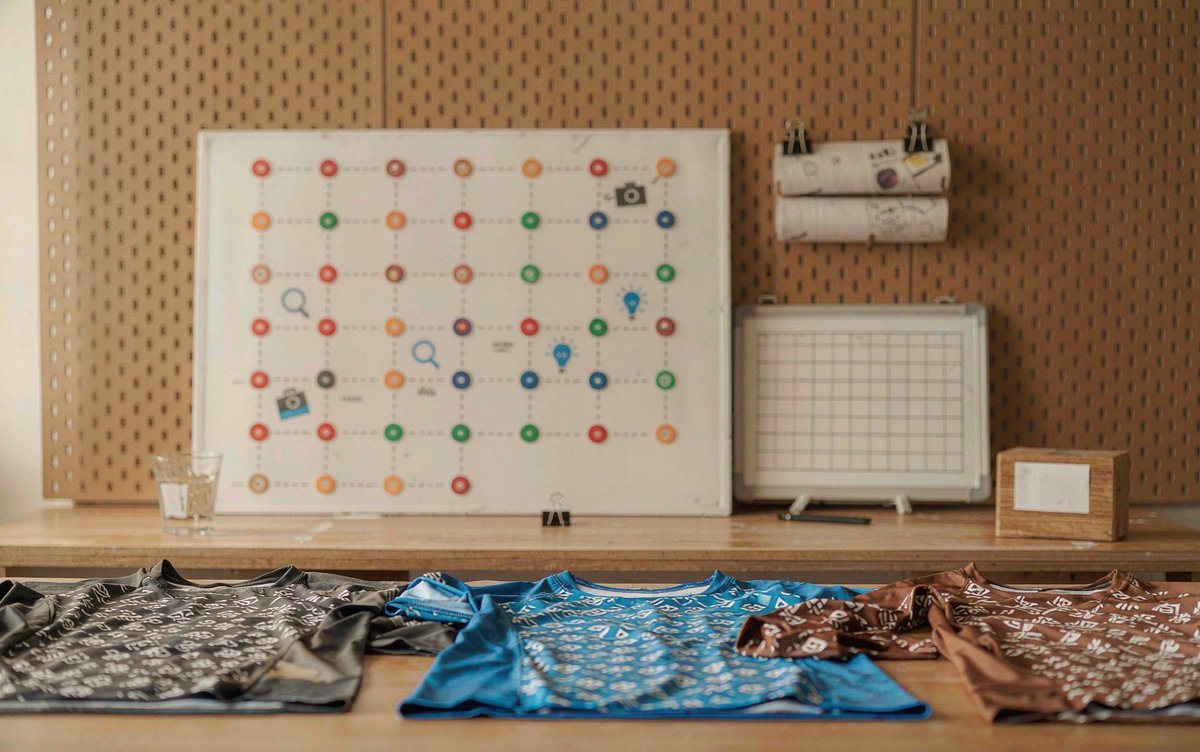
A useful timeline shows dependencies and start conditions, not just a row of weeks. (AI-generated image)
Stage by Stage: Rough Timing and Its Boundaries
This table satisfies the reasonable question "give me a rough idea", while stating what each number does and does not cover. Do not add the rows up — some work runs in parallel, and rework, custom materials or shipping can add time.
| Stage | Stage reference | Boundary the buyer must understand |
|---|---|---|
| Deposit and order kick-off | No fixed days; confirm receipt and start conditions | Payment does not mean cutting starts that day. Confirm whether you paid a development fee or a bulk deposit. |
| First sample | Around 7–14 days for a simple style is a reasonable starting question | One round of making, not all revisions, shipping and final approval |
| Review, revision and final approval | Schedule separately; no fixed number of rounds | Your feedback speed, courier time, remakes and testing all sit here |
| Fabric and trim preparation | Stock versus custom; custom bulk fabric can take weeks | Confirm whether this is inside the factory's quoted production period |
| Bulk production | Some activewear factories quote roughly 25–35 days | Usually assumes samples, materials and deposit are ready — not every order |
| Final checks, packing and release | Reserve a few working days, then confirm the actual plan | Corrections and re-inspection after a failed check are not inside one inspection slot |
| Transport to destination | Quoted separately by route, mode and service scope | Leaving the factory, leaving port, arrival, clearance and delivery are different events |
These ranges come from public supplier process descriptions — one supplier lists 7–14 days for sample development and a few days for inspection and packing, while activewear factories may list 25–35 days for bulk after sample approval and deposit. They are individual supplier terms, not an industry standard. If you want one sentence to use with a factory, this is it:
Please quote development approval, material preparation, bulk production and inspection release as separate periods, and have the forwarder quote transport to our exact destination. Mark which stages can overlap, then give us one delivery date for the whole order.
Total time has to be built order by order, and transport needs current route, customs and final-delivery information. Our air versus sea freight guide covers that last stage in detail.
The Timeline From Deposit to Delivery
Here is the sequence in plain order, with the work that can run in parallel marked. This is a synthesis of public manufacturing processes — the order and the overlap still need confirming for your project.
Order scope and purpose of payment confirmed
Development fee or agreed deposit received
Sample made → buyer reviews → revisions → final approval
Can run in parallel: material enquiries, supplier confirmation, labels and packing preparation
All bulk-start conditions met:
sample approved + material available + tech pack locked + agreed payment received + schedule confirmed
Cutting → sewing → finishing → finished-goods and packing checks
Final inspection → corrections / re-check if needed → written release
Forwarder handover → international transport → customs → delivery to named location
Your deposit is not the same "day zero" for every order
The title says "from deposit to delivery", but two paths sit behind it:
- A new development order: after payment you may enter the sample stage; the order is nowhere near bulk-ready.
- An approved sample or a mature reorder: if materials, documents and capacity are confirmed, payment may move you straight into bulk preparation.
Some factories define their bulk clock as "sample approved + deposit received". Development starting and bulk starting are not the same event. If you need to know what each payment covers — sample fees versus bulk deposit versus other development charges — our sampling cost guide handles that separately.
Every milestone needs a completion record
"Done" should not be a verbal status. These are suggested schedule-control fields; a formal order should also agree inspection scope, sampling, acceptance and reporting up front.
| Milestone | Suggested evidence of completion |
|---|---|
| Sample approved | Sample number, approval date, closed revision comments |
| Materials ready | Quantities received and inspection records — not "ordered" |
| Bulk complete | Agreed quantity through the required processes, with remaining rework quantified |
| Inspection released | Agreed report and confirmation that required corrections are closed |
| Handed over | Document matching the chosen handover event |
| Delivered | Signed receipt or receiving record at the named location |
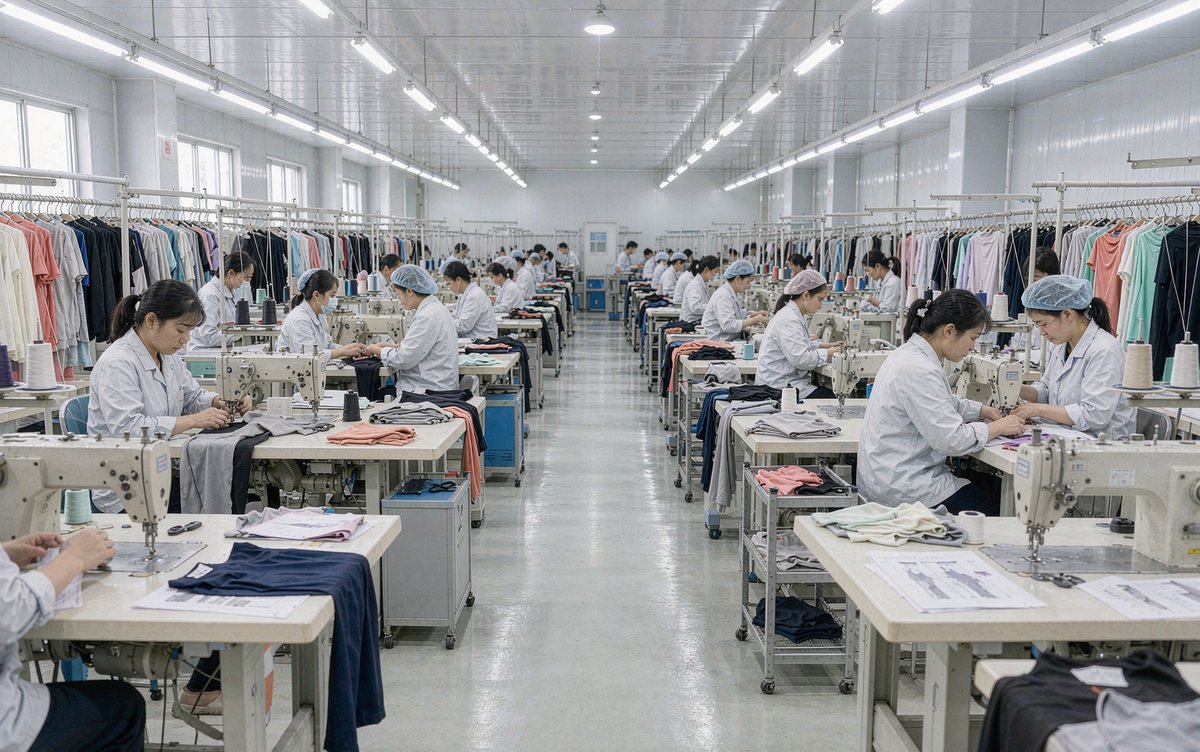
Bulk days are only one block in the schedule — and they assume the blocks before them are finished. (AI-generated image)
Which Stages Are Most Likely to Slip?
The useful question is not "which step was late by two days?" It is whether that step blocks the next dependent stage. Material approval may hold up purchasing; packing-document confirmation may overlap with production. Only the factory can re-sequence and tell you the real impact.
| Common cause | How it moves the schedule | Ask the factory early |
|---|---|---|
| Incomplete tech pack | Repeated questions stall sampling or purchasing | What is still missing? When must it be closed? |
| Extra sample rounds | New making, courier and review push approval back | Which steps does this revision affect? Re-test needed? |
| Custom fabric or trims not ready | Sample approved, but cutting still cannot start | Is this sample material or full bulk quantity? |
| No production slot secured | Materials ready, no line available | Is the start date confirmed? What does it depend on? |
| Mid-order change to colour, process or packing | Finished work may need redoing | What is the cost, material and schedule impact? |
| Inspection finds a problem | Sorting, rework, remaking and re-checking are added | Does the recovery still support the handover date? |
| Transport hand-off slow | Goods finished but waiting for pickup, space or clearance | When should booking, documents and pickup be ready? |
Public supplier information consistently lists material supply, sample revisions, product complexity, capacity and logistics as timeline variables. A whole-order schedule has to cover those dependencies, not just sewing days. For how the factory should report and recover from an actual delay, our production follow-up guide goes deeper.
How to Shorten the Timeline Without Cutting Quality
Compressing a schedule should remove waiting and duplicated work first — not shorten the production, testing or inspection the product actually needs.
- Hand over complete, executable development information once. Clear construction, measurements, materials and branding make feasibility and sample scheduling faster.
- Consolidate feedback and name one approver. One set of comments per round and an internal reply deadline prevent staggered revisions from different people.
- Ask about stock materials that still meet your spec. Availability changes procurement waiting — but never substitute an unapproved material to save time.
- Move parallel preparation earlier. Labels, packing files and inspection arrangements can often be settled during development. Anything bought or made early needs explicit authorisation and a change-risk plan.
- If the whole order cannot make the date, compare split delivery. Core styles first is discussable, but list quantity, dates, inspection and added cost per batch. "Part ships early" is not a free default.
Items 2, 4 and 5 are project-management suggestions the factory should validate. Any expedite plan should say what changes to make the date possible — not simply move every date earlier. For building the brand-side schedule backwards from a market date, see our launch calendar guide; this article stops at factory-to-delivery.
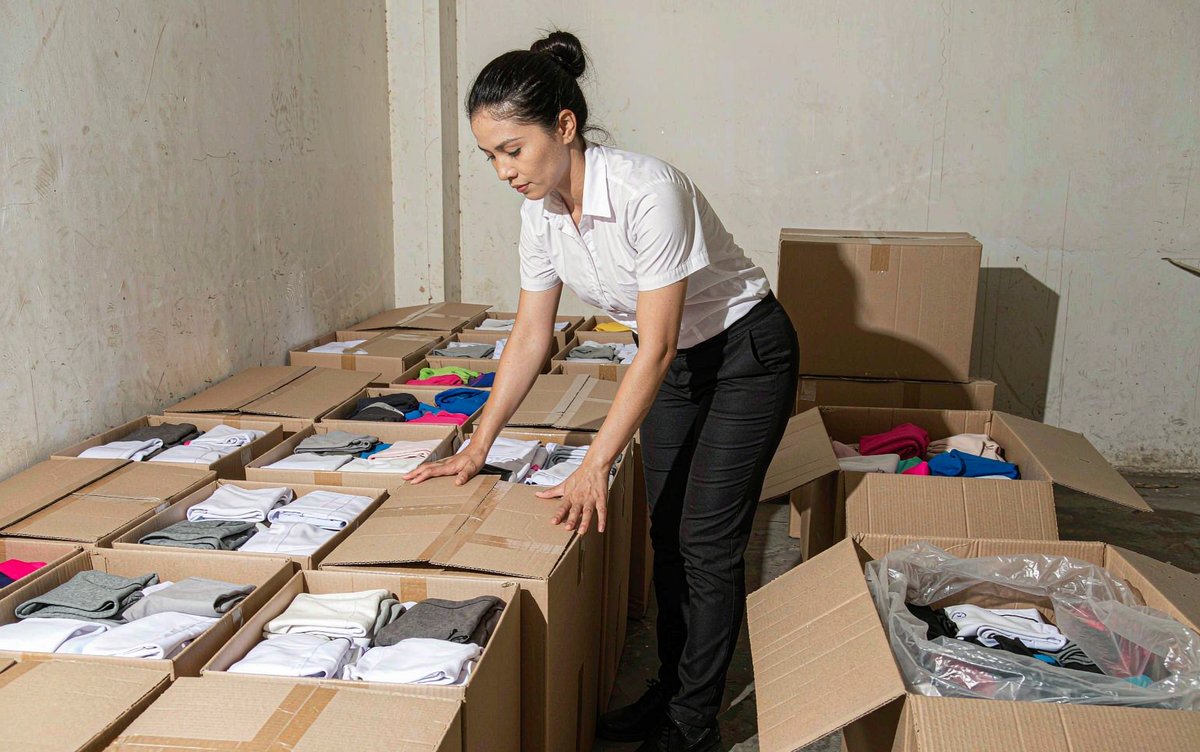
Release and handover are their own milestones — not the moment the last garment comes off the line. (AI-generated image)
Frequently Asked Questions
Does production start as soon as I pay the deposit?
Not necessarily. Many factories start their bulk clock only after sample approval, material confirmation and deposit receipt. Ask which start conditions are still open and when the real line start is planned.
Is the first sample the same as the approved production sample?
No. A first sample is for review; revisions and final approval usually follow. Do not record the first-sample date as the completion of development.
Does a quoted lead time include fabric sourcing and shipping?
Do not assume it does. Some published timelines count only after sample approval, while others separate purchasing, production and transport. Ask the factory to state exactly which stages are included and excluded.
Are repeat orders always faster?
Not automatically. A mature style may skip development work, but materials, quantity, changes and production capacity still apply. Re-confirm the timeline for the actual order.
How much time should I allow for shipping?
Quote by destination, mode and service scope. Separate international line-haul from customs and final delivery; a published ocean-transit range does not automatically cover door-to-warehouse time.
What if I have a fixed launch date?
Turn it into a latest-arrival requirement, then work backwards through transport, release, production and approvals, and confirm each step with the factory. Sending a launch date alone is not a commitment from anyone.
Turn the Answer Into a Schedule You Can Follow
The deliverable from this exercise is not a number. It is one agreed order schedule: planned date, start condition, owner and completion evidence for each milestone, with the factory handover date and your final arrival target recorded separately. A timeline you can defend is built from stages and dependencies — not from a promise that production takes a month.
Framework note: all durations in this guide are manufacturing-stage references drawn from public supplier information, checked November 2026. They are not commitments by any factory and cannot be added into a guaranteed total. Agree the formal schedule, inspection criteria and transport scope for your own order in writing.