The Ultimate Guide to Functional Fabrics for Eco-Conscious Activewear
As a dedicated manufacturer and supplier of functional textile fabrics, we understand the increasing demand for high-quality, performance-driven activewear that also champions environmental responsibility. This guide is crafted from our perspective, aiming to share our in-depth knowledge and commitment to excellence in this evolving industry.
Welcome to 'The Ultimate Guide to Functional Fabrics for Eco-Conscious Activewear'! We are here to help you navigate the exciting intersection of athletic performance, innovative textile technology, and sustainable practices. We believe that activewear can, and should, be both cutting-edge and kind to our planet.
Key Takeaways
This guide provides a comprehensive overview of the essential elements of creating high-performance, eco-conscious activewear. Here are the main points you'll discover:
- The Rise of Conscious Consumerism: The demand for sustainable activewear is not a fleeting trend but a significant market shift. Consumers are increasingly knowledgeable and demand transparency, expecting their apparel to offer peak performance without causing planetary harm. The market for ethical and sustainable products is growing, with a significant portion of consumers willing to pay more for them.
- The Foundation of Performance: Superior functional fabrics are built on a foundation of key properties. We explore the science behind moisture-wicking to keep athletes dry, breathability for thermal comfort, optimal stretch for freedom of movement, and unmatched durability to extend the garment's lifespan, which is a core tenet of sustainability.
- Innovations in Sustainable Materials: The future of eco-friendly activewear lies in material innovation. This includes leveraging recycled materials like rPET (from plastic bottles) to create premium fabrics, embracing natural and organic fibers such as organic cotton, TENCEL™ Lyocell, and merino wool, and developing advanced blends and finishes that enhance performance while minimizing environmental impact through cleaner dyeing and finishing processes.
- The Power of Customization: For a brand to stand out, unique fabric is key. We detail the collaborative process of custom fabric development, from initial concept to the final collection. This partnership allows brands to create specialized fabrics perfectly suited for their target apparel, whether it's high-compression leggings, breathable yoga wear, or rugged outdoor sportswear.
- The Future is Collaborative and Green: The activewear industry is on a trajectory towards greater sustainability and technological integration. This involves embracing circular economy models, exploring bio-based synthetics, and reducing the carbon footprint of manufacturing. Our commitment as a fabric supplier is to remain at the forefront of these innovations, helping our partners build brands that are prepared for the future.
- Actionable Knowledge for Brands: Beyond just materials, this guide serves as a resource for brand owners. It highlights the importance of choosing the right manufacturing partner—one that is committed to quality, sustainability, and collaborative innovation. The choices made at the fabric level have a cascading effect on the final product's performance, eco-credentials, and brand story.
Understanding the Demand: Why Eco-Conscious Activewear is the Future
The activewear market is undergoing a profound transformation. What was once a niche focused solely on athletic performance has blossomed into a global phenomenon where fashion, wellness, and lifestyle converge. However, a new, powerful driver has entered the conversation: sustainability. Today's consumers are more informed and conscientious than ever before. They are looking beyond brand names and technical specs, scrutinizing the ethical and environmental credentials of the products they purchase. This shift signals a new era for the industry, one where "eco-conscious" is not a mere buzzword but a fundamental expectation and the clear path forward for future growth and relevance.
What Today's Consumers Expect: Performance Meets Planet in Activewear
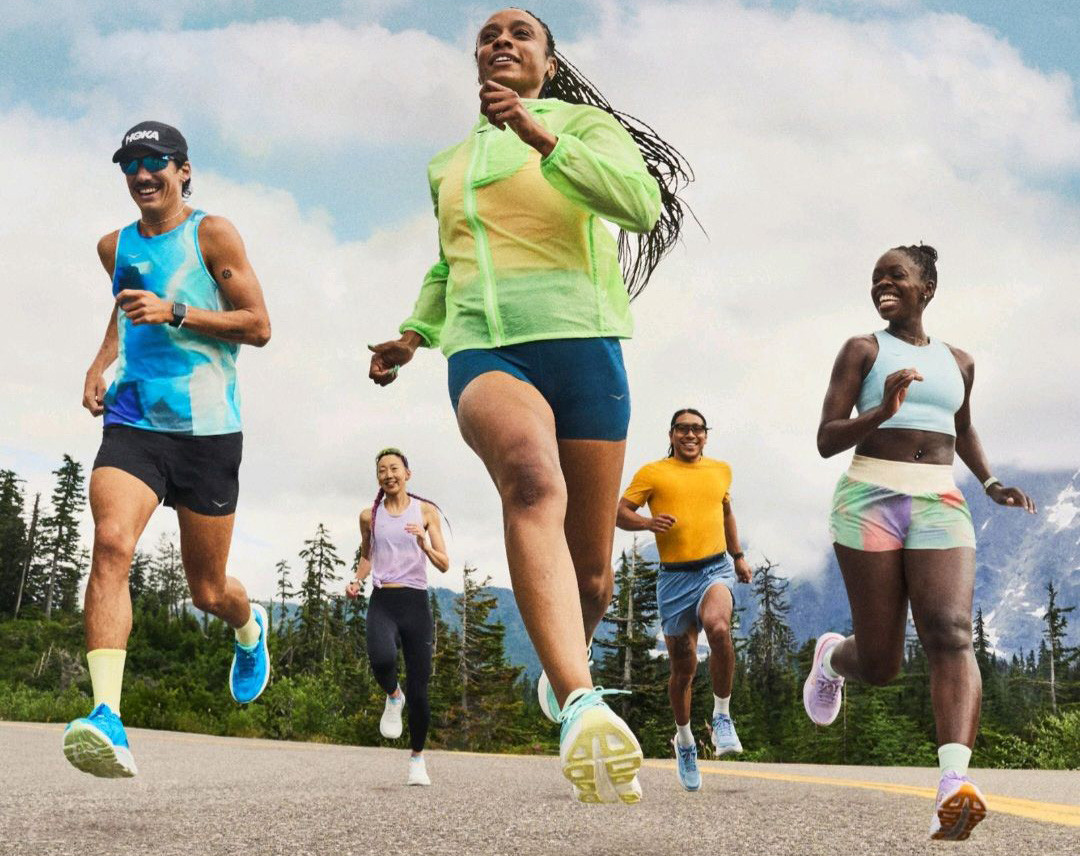
In the modern marketplace, the consumer is king, and their decree is clear: they want it all. The days of choosing between a high-performance garment and a sustainably made one are over. Today, the expectation is that a single product can and should deliver both. This discerning consumer base is not only looking for activewear that enhances their workout through features like moisture management and four-way stretch but also for apparel that aligns with their personal values. They are asking critical questions: What is this made of? Who made it? What is its impact on the environment?
The demand for transparency is at an all-time high. A significant portion of consumers, particularly within the Millennial and Gen Z demographics, report that they actively research a brand's environmental and social practices before making a purchase. Studies show a consistent trend of consumers being willing to pay a premium for sustainable products, reinforcing that "eco-friendly" is a value-added attribute. This movement is fueled by a greater awareness of the fashion industry's environmental footprint, from microfiber pollution to water consumption and chemical usage. As a result, brands that fail to integrate sustainability into their core mission risk becoming obsolete, while those that authentically embrace it are poised to build a loyal and engaged community. The modern activewear consumer is voting with their wallet for a future where performance and the planet can coexist harmoniously.
Our Role as a Leading Textile Fabric Manufacturer in Meeting This Essential Need
As the engine room of the apparel industry, textile fabric manufacturers sit at a critical juncture in the supply chain. We are not just suppliers of material; we are foundational partners in innovation and sustainability, holding a significant responsibility to address the industry's environmental challenges. Recognizing this, we have positioned our mission to be at the forefront of the solution. Our role extends far beyond simply producing rolls of fabric; it involves a proactive and holistic approach to meet the essential need for eco-conscious performance textiles.
This begins with a deep investment in research and development. We are relentlessly exploring and refining manufacturing processes to reduce water usage, minimize energy consumption, and eliminate harmful chemicals. We champion the use of sustainable raw materials, from sourcing high-quality recycled polymers to vetting suppliers of organic and bio-based fibers. Our commitment involves transforming waste streams into premium fabrics and harnessing the power of nature to create textiles that are both high-performing and biodegradable. By presenting our brand partners with a robust portfolio of sustainable options, we empower them to make responsible choices without compromising on the technical qualities their customers demand. We see ourselves as educators and collaborators, working closely with brands to help them understand the nuances of different sustainable materials, enabling them to build compelling stories and create products that truly resonate in a crowded market.
The Core of Quality: What Makes Superior Functional Fabrics Exceptional?
In the world of activewear, the fabric is the brand's first promise to the consumer. It’s the tangible element that delivers comfort, supports movement, and endures through countless workouts. While aesthetics and design are crucial, it's the underlying textile that ultimately defines the garment's success or failure. But what elevates a standard piece of cloth to a "superior functional fabric"? The answer lies in a meticulous blend of science, engineering, and an unwavering commitment to quality. It's an intricate dance of properties, where each element is fine-tuned to work in concert, creating an experience for the wearer that feels like a second skin.
Defining Essential Properties: Moisture-Wicking, Breathability, Optimal Stretch, and Unmatched Durability
Exceptional functional fabrics are not born from a single attribute but from the synergy of several core properties, each engineered for a specific purpose. Understanding these is key to appreciating the complexity and value of high-quality activewear.
- Moisture-Wicking: This is arguably the most crucial property for activewear. It refers to the fabric's ability to pull perspiration away from the skin and move it to the outer surface of the fabric, where it can evaporate quickly. Unlike absorbent materials like standard cotton that become heavy and clammy, moisture-wicking fabrics use capillary action within their fiber structure to keep the wearer dry, comfortable, and free from chilling effects post-exercise.
- Breathability: Often confused with moisture-wicking, breathability is about air permeability. It's the fabric's capacity to allow water vapor (sweat that has already evaporated) and excess heat to escape from inside the garment. High breathability is vital for thermal regulation, preventing the wearer from overheating during intense activity. It ensures a constant flow of air, maintaining a comfortable microclimate next to the skin.
- Optimal Stretch and Recovery: Activewear is all about movement. Optimal stretch, typically achieved with the integration of elastane fibers like Spandex or Lycra, allows the fabric to extend in multiple directions (often termed "4-way stretch"). This provides the wearer with complete freedom of movement without any restriction. Equally important is recovery—the fabric's ability to snap back to its original shape after being stretched. Poor recovery leads to sagging and a loss of fit over time, while excellent recovery ensures the garment maintains its supportive structure wash after wash.
- Unmatched Durability: A high-quality garment is an investment, and durability is what protects that investment. This property encompasses several factors:
- Abrasion Resistance: The fabric's ability to withstand friction and rubbing without pilling (forming small fuzzy balls) or thinning.
- Tensile Strength: Its resistance to breaking under tension.
- Color Fastness: The ability to retain its color and resist fading from washing, sunlight exposure, and perspiration.
A durable fabric not only delivers long-lasting performance but is also inherently more sustainable, as it extends the life of the garment and reduces the need for frequent replacement.
The Engineering Excellence Behind Our High-Quality Textile Fabrics for Peak Performance
Achieving the perfect balance of moisture-wicking, breathability, stretch, and durability is not an accident; it is the result of deliberate and sophisticated textile engineering. At our facilities, this process is a fusion of advanced technology and deep material science expertise. The excellence begins with fiber selection. We meticulously source premium synthetic polymers and natural fibers, understanding that the final fabric's performance starts at the molecular level.
The true magic happens during yarn and fabric construction. We utilize a range of knitting and weaving technologies to create specific fabric structures. For instance, a double-knit construction can be engineered with a hydrophilic (water-loving) yarn on the inside to pull moisture from the skin and a hydrophobic (water-repelling) yarn on the outside to push it away for evaporation. The density of the knit or weave is precisely controlled to optimize the balance between breathability and coverage. To achieve superior stretch, we don't just add elastane; we use specialized knitting techniques that create mechanical stretch, supplementing the elastane's properties for a more natural and durable elasticity. Our finishing processes are the final, critical step. We employ cutting-edge treatments that are applied at the microscopic level to enhance inherent properties or add new ones. This can include hydrophilic finishes to boost wicking speed, antimicrobial treatments for odor control derived from sustainable sources, and water-repellent finishes that are free from harmful PFCs. Every batch of fabric undergoes rigorous testing in our labs to ensure it meets our exacting standards for every single performance metric, ensuring that when we call a fabric "high-performance," it is a guarantee backed by engineering excellence.
Pioneering Sustainability: Showcasing Our Eco-Friendly Functional Fabric Innovations
The call for sustainability has reshaped our innovative compass. As a forward-thinking fabric manufacturer, we view this challenge not as a limitation but as a powerful catalyst for ingenuity. Our commitment goes beyond compliance; we aim to be pioneers, actively developing and championing a new generation of functional fabrics that lead the industry toward a more responsible future. This means rethinking every stage of a fabric's life, from its origin as a raw material to its end-of-life potential. Our innovation labs are dedicated to a singular vision: creating textiles that deliver uncompromising performance for the athlete and leave a minimal footprint on the planet.
Recycled Materials: Transforming Waste into Premium, High-Performance Activewear Fabrics
One of the most impactful ways to reduce the environmental toll of textile production is to move away from a linear "take-make-waste" model and embrace circularity. Our work with recycled materials is at the heart of this effort. We specialize in transforming post-consumer and post-industrial waste into premium, high-performance yarns that are indistinguishable from their virgin counterparts in terms of quality and functionality.
The most prominent example is our use of recycled polyester, commonly known as rPET. This material is derived from discarded plastic items, primarily PET bottles that would otherwise clog landfills or pollute our oceans. The process is a marvel of modern recycling technology: the bottles are collected, sterilized, and chopped into flakes. These flakes are then melted down and extruded into fine filaments, which are spun into high-quality polyester yarn. By using rPET, we significantly reduce our reliance on virgin polyester, which is derived from petroleum—a finite and carbon-intensive fossil fuel. This process not only diverts plastic waste but also consumes considerably less energy and water compared to virgin polyester production. Beyond rPET, we are also at the forefront of recycling other synthetic materials, like nylon from discarded fishing nets and factory fabric scraps, turning a significant source of ocean pollution and industrial waste into durable, resilient fabrics perfect for performance swimwear and activewear.
Natural and Organic Fibers: Discovering Sustainable Choices for Conscious Activewear Brands
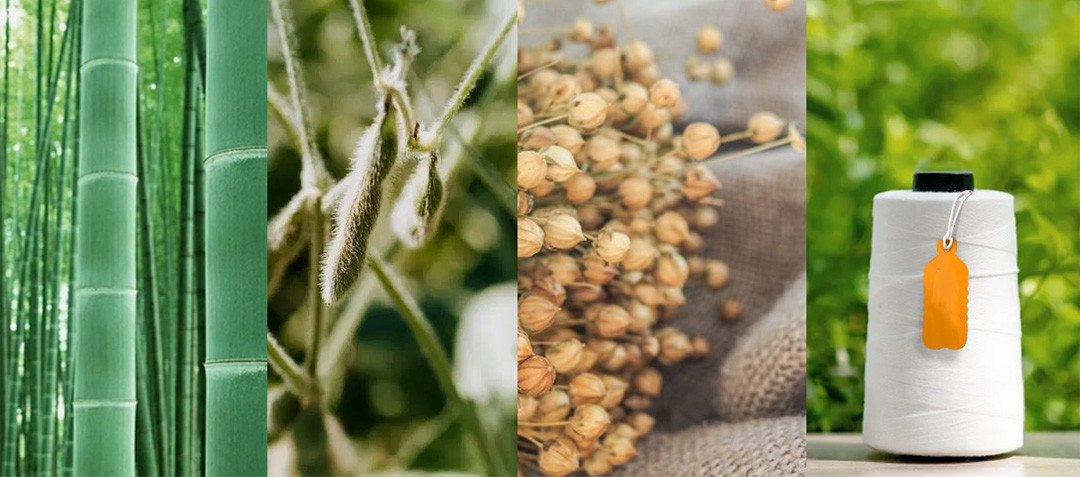
While engineered synthetics are renowned for their performance attributes, the world of natural fibers offers a wealth of sustainable and high-functioning options. We are dedicated to exploring and harnessing the inherent intelligence of nature to create fabrics that are gentle on the skin and the earth. Our portfolio prominently features a curated selection of natural and organic fibers, providing brands with a diverse palette of eco-conscious choices.
- Organic Cotton: Unlike conventional cotton, which is one of the most pesticide-intensive crops, our organic cotton is grown without synthetic pesticides, herbicides, or GMOs. This protects ecosystems, improves soil health, and ensures safer working conditions for farmers. When blended with a touch of elastane, our organic cotton fabrics offer a soft, breathable, and natural feel perfect for yoga, loungewear, and lifestyle active apparel.
- TENCEL™ Lyocell and Modal: These fibers are a benchmark for closed-loop sustainability. Produced by the Austrian company Lenzing, TENCEL™ fibers are derived from sustainably managed wood sources, primarily eucalyptus and beech trees. The manufacturing process uses a unique closed-loop system where over 99% of the water and non-toxic solvent are recovered and reused. The resulting fabrics are exceptionally soft, smooth, highly breathable, and excellent at moisture management, making them a luxurious and eco-friendly choice for a wide range of activewear.
- Merino Wool: Nature's original performance fiber, merino wool is renewable, biodegradable, and incredibly versatile. Its fine fibers are remarkably soft (not itchy like traditional wool) and possess natural temperature regulation, keeping you warm in the cold and cool in the heat. Furthermore, merino wool is inherently moisture-wicking, breathable, and antimicrobial, meaning it resists odor build-up even after days of wear. We source our merino from farms that adhere to high standards of animal welfare and sustainable land management practices.
Below is a comparison of some key sustainable fiber options:
| Fiber Type | Primary Eco Benefit | Key Performance Properties | Best For |
|---|---|---|---|
| Recycled Polyester (rPET) | Diverts plastic waste, less energy/water | High durability, quick-drying, moisture-wicking | General sportswear, leggings, outerwear |
| Organic Cotton | No pesticides, less water than conventional | Soft hand-feel, breathable, comfortable | Yoga wear, loungewear, t-shirts |
| TENCEL™ Lyocell | Closed-loop production, biodegradable | Silky smooth, excellent moisture management, gentle on skin | Flowy tops, base layers, yoga apparel |
| Merino Wool | Renewable, biodegradable, natural | Temperature regulating, anti-odor, moisture-wicking | Hiking apparel, base layers, socks, cold-weather activewear |
Advanced Blends and Finishes: Enhancing Both Performance and Our Environmental Impact
The true artistry of modern textile manufacturing lies in the combination of materials and treatments. Our innovation extends to creating advanced blends and utilizing eco-friendly finishing processes that elevate both performance and sustainability. By intelligently blending different fibers—for example, combining the durability of recycled polyester with the soft, moisture-managing properties of TENCEL™ Lyocell—we can create "super-fabrics" that offer the best of both worlds. These synergistic blends are engineered to provide a specific feel, function, and performance level tailored to the end-use of the garment.
Furthermore, the finishing stage, which traditionally involves high water, energy, and chemical usage, has been a key area of our sustainable innovation. We have moved decisively away from conventional methods in favor of greener alternatives:
- Dope Dyeing (Solution Dyeing): For synthetic fibers, this process involves adding color pigment to the polymer melt before it is extruded into a fiber. This method uses virtually no water and significantly reduces energy consumption and CO2 emissions compared to traditional water-intensive piece dyeing.
- PFC-Free DWR Finishes: Durable Water Repellent (DWR) coatings are essential for outdoor gear, but many traditional formulas use per- and polyfluoroalkyl substances (PFCs) that are harmful to the environment. We have invested heavily in high-performance, PFC-free DWR finishes that provide effective water resistance without the persistent environmental impact.
- Bio-Based and Natural Finishes: We are increasingly using finishes derived from natural sources. This includes bio-based wicking agents to enhance moisture management and antimicrobial treatments derived from plant-based oils or minerals like peppermint to provide natural and durable odor control, reducing the need for frequent washing.
Through these advanced techniques, we are proving that enhancing performance and reducing environmental impact are not mutually exclusive goals but are, in fact, two sides of the same coin.
Tailored for You: Our Custom Fabric Solutions for Distinctive Activewear Brands
In a marketplace saturated with similarity, a unique and proprietary fabric can be a brand's most powerful differentiator. Off-the-shelf solutions can only take you so far. To truly captivate your target audience and carve out a distinct identity, you need a fabric that is as unique as your vision. This is where our custom fabric development program comes in. We move beyond the role of a mere supplier to become a collaborative partner, working hand-in-hand with you to translate your brand's ethos and performance requirements into a tangible, one-of-a-kind textile. Our tailored solutions empower you to create activewear that not only looks and feels different but also performs precisely as you intend.
From Concept to Collection: The Seamless Journey of Custom Textile Fabric Development for Your Brand
Our custom development process is designed to be a seamless, transparent, and creative journey. We demystify the complexities of textile engineering, guiding you through each stage from the spark of an idea to the delivery of your production-ready fabric.
- The Discovery & Briefing Phase: It all starts with a conversation. We dive deep with your team to understand your vision. What is the end-use of the garment? Who is your target customer? What are the non-negotiable performance characteristics—compression, softness, weight, breathability? What is your sustainability story? We gather all these inputs to create a comprehensive development brief.
- Material & Construction Proposal: Based on the brief, our textile engineers and material scientists propose a range of options. This could involve developing a unique blend of fibers, engineering a novel knit structure, or creating a specific surface texture or hand-feel. We present you with initial concepts and explain the technical trade-offs and benefits of each approach.
- Lab Dip & Sample Development: Once a direction is chosen, we move into the lab. We produce "lab dips" for color approval, ensuring perfect brand color matching. Simultaneously, we create initial "knit-downs" or small-scale fabric samples. This is the first time you get to see and feel your custom fabric.
- Prototype Testing & Refinement: We provide you with enough sample yardage to create prototype garments. This is a critical stage where you can test the fabric's real-world performance. Does it move with the body as intended? Does the compression feel right? How does it perform after washing? We gather your feedback and iterate, making precise adjustments to the yarn, knit, or finish until the fabric is perfect.
- Production & Quality Assurance: With the final fabric approved, we move to bulk production. The exact formula and process parameters we developed are locked in, ensuring absolute consistency from the first meter to the last. Our stringent quality assurance protocols are applied throughout the production run, guaranteeing that a large order of custom fabric meets the same exacting standards as the approved prototype.
Partnering with Us: Your Dedicated Functional Fabric Supplier for Specialized Activewear Apparel
Choosing a fabric supplier is one of the most critical decisions an activewear brand can make. This partnership is the foundation of your product's quality and your supply chain's reliability. When you choose to partner with us, you get more than just fabric; you gain a dedicated team of experts committed to your success. We understand the specific challenges and opportunities within the specialized activewear market and have built our services to address them directly.
Our partnership model is built on three pillars: expertise, communication, and reliability. Our R&D and sales teams possess deep technical knowledge of functional textiles and a keen understanding of market trends. We act as consultants, helping you navigate the complex world of materials to find the perfect solution for your needs—or to create a new one. Communication is proactive and transparent; you will have a dedicated point of contact who keeps you informed at every stage of the development and production process. Reliability is our promise. We understand the pressures of production calendars and launch deadlines. Our robust project management and supply chain logistics are designed to deliver your high-quality, custom fabric on time, every time, allowing you to build your business with confidence.
Delivering Excellence: Providing Custom Fabrics for Leggings, Yoga Wear, Sportswear, and Beyond
Our expertise in custom fabric development is not abstract; it is proven in the market across a wide spectrum of activewear categories. We pride ourselves on engineering textiles that excel in their specific intended applications, delivering excellence for some of the most demanding product types.
- Custom Fabrics for Leggings: This is one of the most challenging categories. We develop fabrics with targeted compression for muscle support, exceptional 4-way stretch and recovery to prevent sagging, and opaque, "squat-proof" coverage. We can engineer a buttery-soft hand-feel for comfort or a sleek, cool-touch surface for high-intensity training, all while integrating moisture-wicking and sustainable properties.
- Custom Fabrics for Yoga Wear: For yoga, the focus is on a balance of gentle support, softness, and unrestricted movement. We create fabrics that feel like a second skin, often using blends with natural fibers like TENCEL™ or organic cotton. These fabrics offer superior breathability and a "peached" or brushed finish for ultimate comfort during a studio session.
- Custom Fabrics for Sportswear and Outerwear: For general sportswear and running gear, we prioritize lightweight construction, rapid moisture-wicking, and high breathability. For outerwear, we engineer multi-layered or bonded fabrics that offer wind and water resistance through our PFC-free DWR finishes, while maintaining breathability to prevent moisture buildup from within.
Beyond these core categories, our custom capabilities extend to swimwear, tennis apparel, equestrian gear, and more. Whatever your niche, we have the technical prowess and creative vision to develop a fabric that provides a distinct competitive advantage.
Shaping Tomorrow: The Evolving Landscape of Functional and Sustainable Activewear
The world of activewear never stands still. What is considered cutting-edge today becomes the standard tomorrow. The pace of innovation is relentless, driven by parallel advancements in material science, biotechnology, digital technology, and a growing collective consciousness about our planet's health. As we look to the future, the landscape of functional and sustainable activewear is set to become even more dynamic and integrated. The lines between performance, wellness, and environmental stewardship will continue to blur, leading to a new paradigm of intelligent, responsible, and highly personalized apparel.
Embracing New Technologies and Exploring Future Fabric Trends with Our Innovation Team
Our innovation team is our forward-looking compass, constantly scanning the horizon for emerging technologies and nascent trends that will define the next generation of functional fabrics. We are not content to simply follow; our goal is to lead and anticipate the future needs of our brand partners and their customers. Our exploration is focused on several key frontiers:
- Bio-Synthetics and Bio-Based Materials: While recycled synthetics are a crucial step, the ultimate goal is to move away from fossil fuels entirely. We are actively researching and investing in bio-synthetics, which are polymers made from renewable biological resources like corn starch, sugarcane, or castor beans. These materials have the potential to offer performance comparable to traditional synthetics but with a drastically lower carbon footprint.
- Circular Economy and Fabric-to-Fabric Recycling: The next frontier in circularity is true fabric-to-fabric recycling—turning old garments back into new, high-quality fibers. This is a technically complex challenge, especially with blended fabrics, but we are collaborating with technology partners to explore chemical recycling processes that can separate blended fibers like poly-cotton and create new yarns from them, closing the loop once and for all.
- Smart Textiles and Wearable Technology: We are exploring the integration of responsive and conductive materials directly into the fabric structure. This includes phase-change materials (PCMs) that can absorb or release heat to actively regulate temperature, or conductive yarns that can seamlessly integrate biometric sensors to monitor heart rate, muscle activity, and other health metrics without cumbersome electronics.
- Waterless and Carbon-Negative Dyeing: The future of coloration is waterless and even carbon-negative. We are experimenting with cutting-edge technologies like CO2 dyeing, which uses supercritical carbon dioxide as the dyeing medium instead of water, and developing dyes made from carbon captured from industrial emissions.
Our Unwavering Commitment to Innovation for a Greener and Even More Functional Activewear Industry
Our mission extends beyond our own factory walls. We believe that as a key player in the industry, we have a responsibility to contribute to a broader systemic shift towards a more sustainable and functional future for all. This unwavering commitment to innovation is a core part of our identity and manifests in several key ways.
First, it means a continuous investment in both our people and our technology. We foster a culture of curiosity and lifelong learning within our R&D teams, empowering them to pursue bold ideas. We continuously upgrade our manufacturing facilities with state-of-the-art equipment that enables more efficient, less wasteful production.
Second, it involves radical collaboration. We know that we cannot solve the industry's biggest challenges alone. We actively seek partnerships with academic institutions, biotech startups, chemical companies, and even our competitors to accelerate the development and adoption of sustainable technologies. We believe that a rising tide lifts all boats and that sharing knowledge on pre-competitive issues like sustainability will benefit the entire industry.
Finally, our commitment is about setting new standards. We aim to prove, through our own products and processes, that sustainability is not a compromise but a driver of quality, performance, and profitability. We are dedicated to creating fabrics that not only help athletes perform at their best but also empower brands to build businesses that are resilient, responsible, and ready for the challenges and opportunities of tomorrow. For us, innovation is not just about creating the next great fabric; it's about helping to weave a better, greener future for the entire activewear industry.
Frequently Asked Questions (FAQ)
Q1: What is the main difference between recycled polyester and virgin polyester?
In terms of performance, there is virtually no difference. Our high-quality recycled polyester (rPET) offers the same level of durability, moisture-wicking capability, colorfastness, and hand-feel as its virgin counterpart. The primary difference is their origin and environmental impact. Virgin polyester is a plastic derived from petroleum, a non-renewable fossil fuel, and its production is energy-intensive. Recycled polyester is made from existing post-consumer plastic, like PET bottles, or post-industrial waste. By using rPET, we divert waste from landfills and oceans, reduce our dependence on fossil fuels, and use significantly less energy and water in the production process. Essentially, choosing recycled polyester allows brands to achieve peak performance with a much smaller environmental footprint.
Q2: Are natural fibers like organic cotton or merino wool suitable for high-intensity activewear?
Absolutely, but their suitability depends on the specific activity and desired performance attributes. Merino wool is a natural performance powerhouse; it excels in temperature regulation, moisture-wicking (it can absorb up to 30% of its weight in moisture without feeling wet), and is naturally odor-resistant, making it ideal for hiking, running, and multi-day activities. Organic cotton, while exceptionally breathable and soft, is more absorbent than wicking, making it better suited for lower-intensity activities like yoga, stretching, or for lifestyle and post-workout apparel. Many of our most advanced fabrics are actually blends that combine the best of both worlds—for instance, a merino/TENCEL™ blend for superior softness and moisture management, or an organic cotton/recycled poly blend to improve drying time and durability.
Q3: What does "closed-loop" production mean, and why is it important for fabrics like TENCEL™?
"Closed-loop" production is a hallmark of advanced sustainable manufacturing. It refers to a process where the chemicals, solvents, and water used are recycled and reused continuously within the system, rather than being discharged into the environment. TENCEL™ Lyocell is the prime example of this. Wood pulp is dissolved in a non-toxic amine oxide solvent, and over 99% of this solvent is recovered, purified, and fed back into the process. This is critically important because it dramatically reduces water consumption and prevents chemical pollution, which are two of the biggest environmental problems associated with traditional fiber manufacturing (like viscose rayon). Choosing a closed-loop fabric ensures a minimal impact on surrounding ecosystems and represents a much cleaner, more responsible way to create textiles.
Q4: How can a small or emerging brand access custom fabric development? Is it only for large companies?
While custom fabric development involves an investment in time and resources, it is not exclusively for large corporations. We are passionate about innovation and believe in supporting brands of all sizes that have a unique vision. We have structured our custom development program to be flexible. For smaller or emerging brands, the journey might start with customizing one of our existing base fabrics—for example, by developing a unique brand color, applying a special finish, or adjusting the weight slightly. This is a more accessible entry point into customization. As a brand grows, we can then collaborate on a fully bespoke, grounds-up fabric development project. The key is to start a conversation with us. We are committed to finding a collaborative path that fits your brand's stage and ambition.
Q5: What is "pilling" and how do your high-quality fabrics resist it?
Pilling is the formation of small, fuzzy balls of fiber on the surface of a fabric, which can make a garment look old and worn out. It's caused by abrasion—friction from movement, washing, or contact with other surfaces. Our fabrics are engineered to have high abrasion resistance and resist pilling in several ways. First, we use longer, stronger staple fibers (or filaments in the case of synthetics) that are less likely to break and get tangled. Second, we use tighter knit or weave constructions that hold the fibers more securely in place. Finally, for certain fabrics, we may apply a subtle anti-pilling finish that smooths the surface. This focus on durability is a core part of our quality promise and an element of sustainability, as a garment that doesn't pill will look better for longer, extending its usable life.
In conclusion, we are dedicated to being your trusted partner in crafting eco-conscious activewear that doesn't compromise on performance or style. We see every challenge as an opportunity for innovation and every fabric as a canvas for your brand's story. We invite you to explore the possibilities with our custom functional fabrics and join us in building a more sustainable and high-performing future for the activewear industry.
Thank you for joining us on this exploration of 'The Ultimate Guide to Functional Fabrics for Eco-Conscious Activewear.' As a leading manufacturer, our mission is to empower brands like yours to create exceptional, sustainable products that resonate with today's conscious consumers. By making thoughtful choices at the foundational level of fabric, we can collectively pave the way for a more responsible and inspiring future in fashion. Let's create something extraordinary together.