How to Protect Your Activewear Designs from Your Factory: NDA, Tech Packs, Pattern Ownership
Here is the uncomfortable truth: there is no 100% guarantee against a factory copying your design. But you can make yourself a bad target, and most copying happens to brands that made it easy. An NDA, written pattern ownership, and a few contract clauses put you in the small group factories would rather not mess with.
Quick Answer
Protect your activewear designs with three layers: (1) an NDA signed before you share anything, (2) written ownership of your tech pack and patterns, and (3) contract clauses covering confidentiality, exclusivity, and ownership. Understand what an NDA cannot do, keep dated records of your original work, and work with a factory that treats IP seriously. This is practical guidance, not legal advice.
Why Design Protection Is Hard, and Why Prevention Beats Lawsuits
Most founders imagine IP protection as a lawsuit, and that is the wrong frame. Suing an overseas factory is slow, expensive, and hard to win across borders. By the time you have proof, the copied product is usually already on the market.
The realistic goal is not to win a court case. It is to make copying hard enough, and traceable enough, that the factory would rather take your next order than risk the mess. Prevention is the whole game.
What an NDA Can and Cannot Do
An NDA is the first tool, and it is useful, but it is not magic. Understand its real limits so you do not over-trust it.
| What an NDA Does | What an NDA Does Not Do |
|---|---|
| Creates a written confidentiality obligation | Physically stop someone from copying |
| Gives you grounds to pursue a breach | Guarantee enforcement across borders |
| Signals the factory that you take IP seriously | Protect a bare idea that has not been fixed in a design |
The NDA matters most for the signal it sends. A factory that pushes back on a reasonable NDA is a factory you should walk away from, no matter how good the quote looks.
Tech Pack and Pattern Ownership: Put It in Writing
Your tech pack and your patterns are the actual IP, and their ownership should be written down before production starts. This is where most disputes start, because nobody said who owns what.
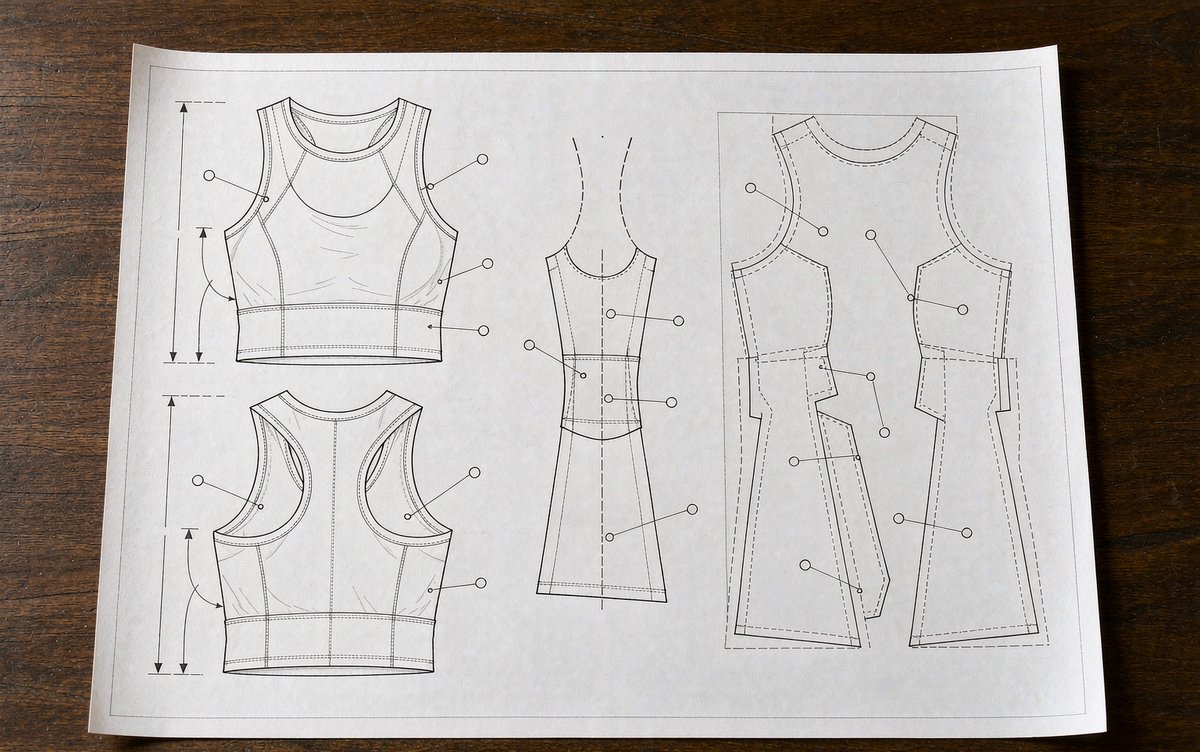
Your tech pack is IP; confirm in writing that it and any revised patterns belong to you. (AI-generated image)
Three questions to settle in writing:
- Who owns the tech pack? The one you supplied, and the revised version the factory develops from it.
- Who owns the patterns? If the factory grades or adjusts your pattern, agree whether the result stays yours.
- Who owns the sample? A pre-production sample is your design made physical; its ownership should be yours.
For what goes into a factory-ready tech pack in the first place, read our complete tech pack guide.
Contract Clauses That Actually Help
Beyond the NDA, four clauses do the heavy lifting in a supplier agreement. You do not need a lawyer's contract to include them; you need them written and signed.
| Clause | What It Should Say |
|---|---|
| Confidentiality | The factory keeps your designs, tech pack, and customer details confidential |
| Exclusivity | The factory will not produce your design for another brand |
| Ownership | All IP, patterns, and samples belong to you, including factory revisions |
| Non-compete (limited) | The factory will not use your design or fabric to pitch a competing brand for a defined period |
Practical Steps to Reduce Copying Risk
You do not need a lawyer to do these. They are habits, and they stack up.
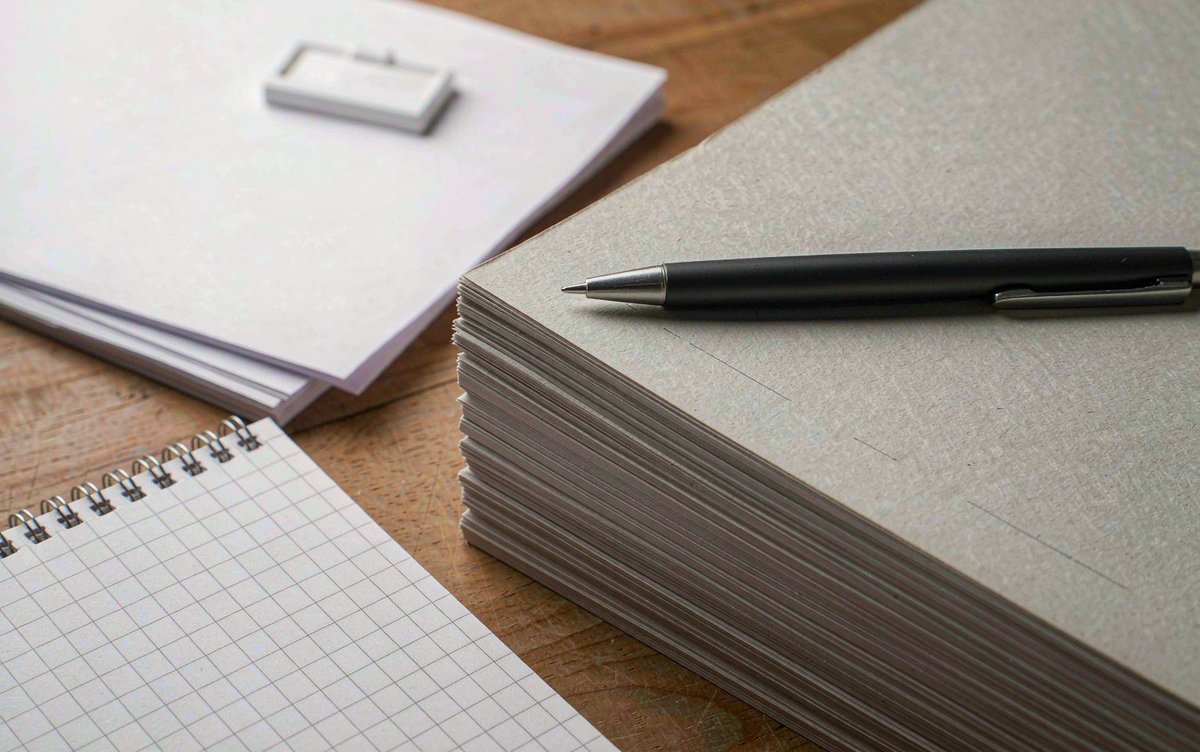
Sign the NDA before you send designs, and keep dated records of everything you share. (AI-generated image)
- Sign the NDA before you send anything. Never send a tech pack to an unsigned factory.
- Share in stages. Send enough to quote first, the full spec only after terms are agreed.
- Keep dated records. Original files, emails, and version history prove you made it first.
- Mark your samples. A subtle, hard-to-remove marker on samples and bulk makes copying easier to trace.
- Pick a factory that takes IP seriously. A factory that volunteers an NDA and talks openly about ownership is a better bet than one that waves the topic away.
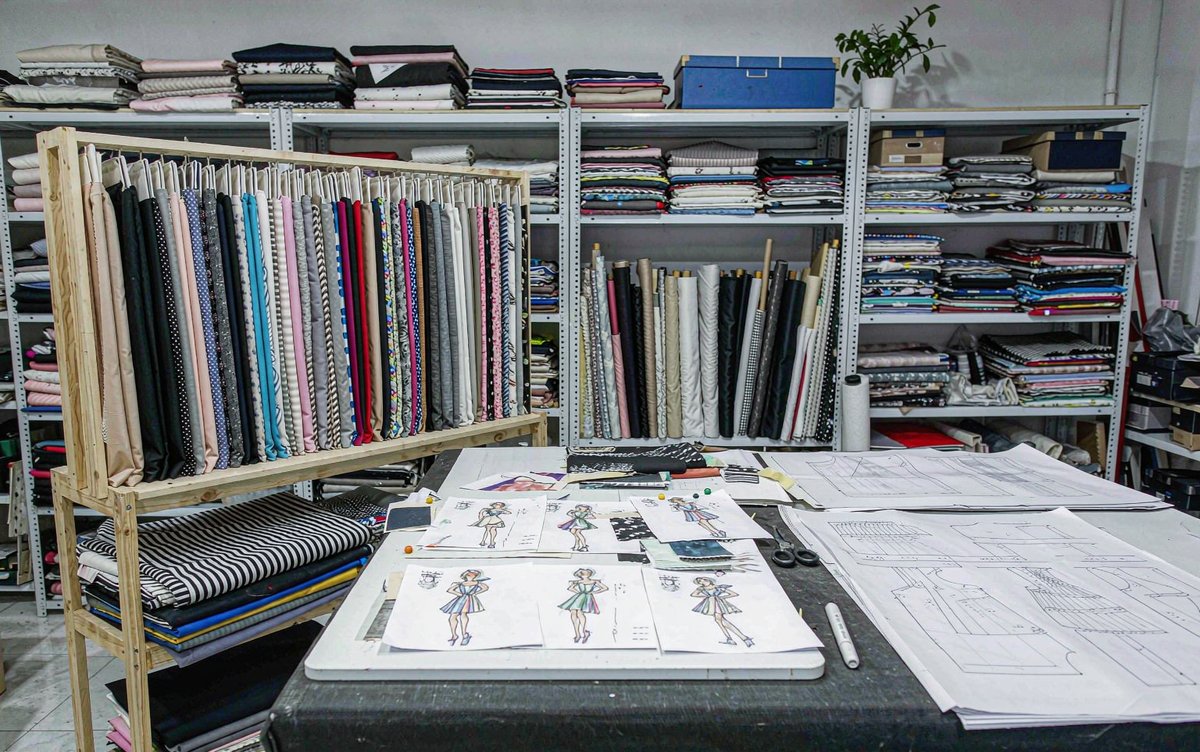
Keep dated records of your sketches and files; they are your proof if you ever need it. (AI-generated image)
Frequently Asked Questions
Is an NDA really worth it with an overseas factory?
Yes, mostly for the signal it sends and the written obligation it creates. Enforcement is hard, but a factory that refuses a reasonable NDA is a red flag worth acting on.
Who owns the patterns after the factory revises them?
By default it is unclear, which is why it should be written down. Agree up front that any factory revisions to your pattern remain your IP.
What should I do if a factory copies my design?
Document it, check your NDA and contract clauses, then decide with legal counsel whether it is worth pursuing. For most small brands, the higher-value move is prevention on the next order.
Can I protect a design idea before it is fully developed?
A bare idea is hard to protect. Fix it in a concrete form first, a sketch, a spec, or a tech pack, then the protection tools apply to that expression.
Protect Your Work, Then Build With Confidence
Design protection is not about paranoia. It is about removing the easiest reasons for a factory to treat your work carelessly, so you can focus on the product. Sign the NDA, write down the ownership, and verify the factory itself is what it claims before you commit, which we cover in how to audit a factory before your first order.
If you want a factory that handles NDAs and ownership openly from the first call, send us your design or tech pack and we will start with the paperwork before we talk production.