How to Develop Private Label Pickleball & Tennis Apparel
A private label tennis or pickleball collection should not start with colorways or logos. Start with the player, the actual court movement, the garment job, ball-storage needs and the fit conditions the product must survive.
Once those requirements are clear, fabric, built-in shorts, pockets, coverage, branding and sample approval can be developed around a real use case instead of a generic “activewear” brief.
What should a brand specify when developing pickleball or tennis apparel?
Start with the target player and use case, then define the product architecture, climate, fabric construction, stretch and recovery needs, coverage, built-in short or liner, ball-storage requirement, branding and size range.
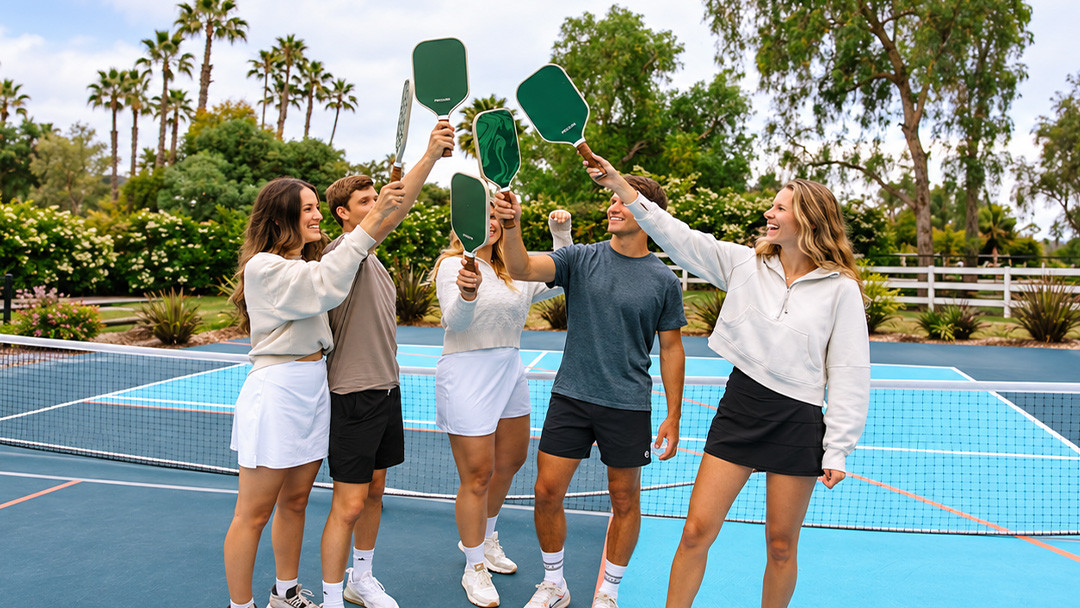
The sample should then be reviewed through real court movements such as overhead reach, torso rotation, lateral shuffling and lunging. Any ball pocket should be tested using the actual ball the garment is designed to carry.
Do not approve a courtwear style from appearance alone. Fit, movement, pocket access, liner stability and fabric behavior should be checked on the production-intent sample before bulk production.
1. Why Court Apparel Deserves Its Own Product Brief
Tennis and pickleball are large enough that a court collection should be treated as a specific product category—not simply yoga apparel with a skirt added.
Sources: USTA 2026 U.S. Tennis Participation Report and SFIA 2026 Pickleball Single Sport Report. Participation figures refer to U.S. players in 2025.
2025 U.S. Participation Snapshot
The business opportunity is real, but participation data alone does not tell a brand what to manufacture.
The useful question is:
2. Start With the Player and Use Case
“Tennis apparel” is still too broad to be a complete development brief.
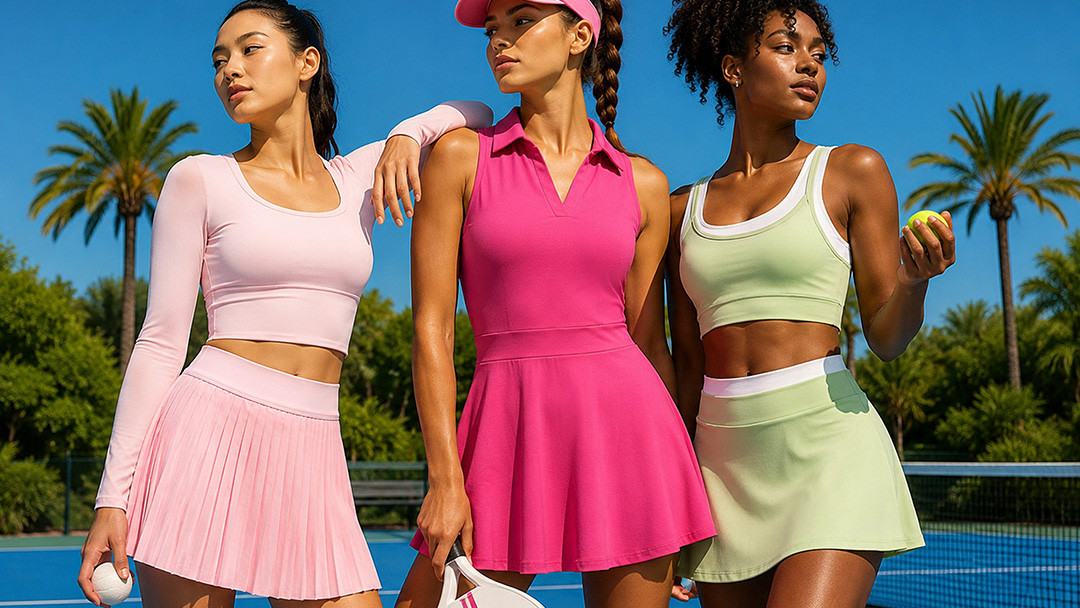
A recreational pickleball player in a hot outdoor market may have different priorities from a club tennis player, a school team or a fashion-led courtwear customer.
Questions to Answer Before Sketching
- Is the product intended primarily for tennis, pickleball or dual-use courtwear?
- Will it be used indoors, outdoors or both?
- Is the target environment hot, humid, cool or highly variable?
- Does the player need ball storage?
- Does the product need built-in shorts?
- What level of coverage does the target customer expect?
- Is this a recreational, club, team or lifestyle-driven collection?
- Will a specific league, club or tournament have its own uniform requirements?
3. Tennis and Pickleball Can Share a Platform—but Not Every Detail
Tennis and pickleball collections can share many product types:
- Tennis dresses
- Skorts and skirts
- Built-in liner shorts
- Tank tops
- Performance T-shirts
- Polos
- Warm-up layers
That does not mean every tennis product should automatically be relabeled as pickleball apparel.
Storage, player preference, movement, climate and fit should still be reviewed against the actual use case.
4. Build the Product Architecture Before Choosing Colors
Product architecture defines what the garment actually is before styling decisions begin.
| Development Field | What the Brand Should Define | Why It Matters |
|---|---|---|
| Target Sport | Tennis, pickleball or dual-use | Changes movement, storage and product-positioning decisions. |
| Product Type | Dress, skort, shorts, tank, polo, top or layer | Each product solves a different job in the capsule. |
| Outer Length | Dress, skirt or short length | Influences coverage, appearance and movement clearance. |
| Liner | Built-in short, brief, none or detachable solution | Changes coverage, storage and comfort. |
| Storage | Phone, tennis ball, pickleball or no pocket | The required object should determine the pocket design. |
| Fabric | Composition, GSM, stretch, recovery, opacity and finish | Fiber name alone is not enough to approve performance. |
| Fit | Compression, ease, rise, torso length and intended silhouette | Fit changes how the garment behaves during movement. |
| Branding | Logo method, size, placement, labels and trims | Branding should not interfere with movement or comfort. |
| Size Range | Base size, grading rules and full production range | A good base-size sample does not automatically approve every size. |
| Validation | Movement, pocket, opacity, wear and wash checks | Defines what “approved” means before bulk production. |
5. Tennis Ball Storage and Pickleball Storage Are Not the Same Design Problem
This is one of the clearest examples of why a brand should not develop courtwear around vague assumptions.
Under ITF specifications, common Type 1 and Type 2 tennis balls measure approximately 6.54–6.86 cm in diameter.
USA Pickleball equipment standards specify a pickleball diameter of approximately 7.29–7.54 cm.
| Ball | Diameter | Development Implication |
|---|---|---|
| ITF Type 1 / Type 2 Tennis Ball | 6.54–6.86 cm | Pocket opening, depth and retention can be developed around a smaller ball. |
| USA Pickleball Standard Ball | 7.29–7.54 cm | A pocket copied directly from tennis apparel may need more opening or volume. |
What to Review on a Ball Pocket
- Opening width
- Usable pocket depth
- Stretch direction
- Position relative to hip and thigh movement
- Ease of one-handed insertion
- Ease of removal during play
- Retention during lateral movement
- Whether the ball creates uncomfortable local pressure
6. Choose Fabric by Garment Job, Not by Fiber Name Alone
“Use nylon-spandex” or “use polyester-spandex” is not a finished fabric specification.
Two fabrics with similar fiber percentages may still differ in:
- GSM
- knit construction
- stretch direction
- stretch force
- recovery
- surface finish
- opacity
- handfeel
- drying behavior
For a Court Dress or Skort
Review whether the outer fabric provides the intended drape and movement while the liner provides the required coverage and stability.
For a Fitted Tank or Top
Review armhole shape, neckline stability, torso stretch and whether the hem rises excessively during overhead reach.
For a Polo
Collar construction, placket behavior, body ease and shoulder mobility may matter as much as fiber composition.
7. Design the Built-In Short as a Product, Not an Afterthought
In a court dress or skort, the built-in short does a large part of the functional work.
The liner should have its own specifications.
A liner that looks correct when standing still may ride up, twist or become visible through the outer layer during lunges and lateral movement.
8. Use a Court Movement Test Before Approving the Sample
A mirror fitting is useful, but court apparel should also be reviewed through the movements the garment is expected to experience.
The following is a practical brand-side wear-test framework, not a universal ASTM, ISO, ITF or tournament test standard. Define your own pass/fail criteria and keep the results with the approved sample record.
| Movement Test | What to Observe | What to Record |
|---|---|---|
| Serve / Overhead Reach | Armhole restriction, shoulder tension, neckline shift and hem lift | Photos plus pass / revise comments |
| Forehand / Backhand Rotation | Torso mobility, side seam pulling and bra or neckline movement | Movement notes by size and fabric |
| Lateral Shuffle | Liner ride-up, waistband movement, skirt clearance and pocket retention | Front / side / back observations |
| Deep Lunge | Coverage, liner position, waistband stability and seam stress | Photos and measurement comments |
| Squat / Ready Position | Rear coverage, opacity, rise position and outer-skirt behavior | Fabric color, lighting condition and result |
| Ball Insert / Remove | Pocket access, retention, local pressure and ease of one-handed use | Ball type and pocket revision notes |
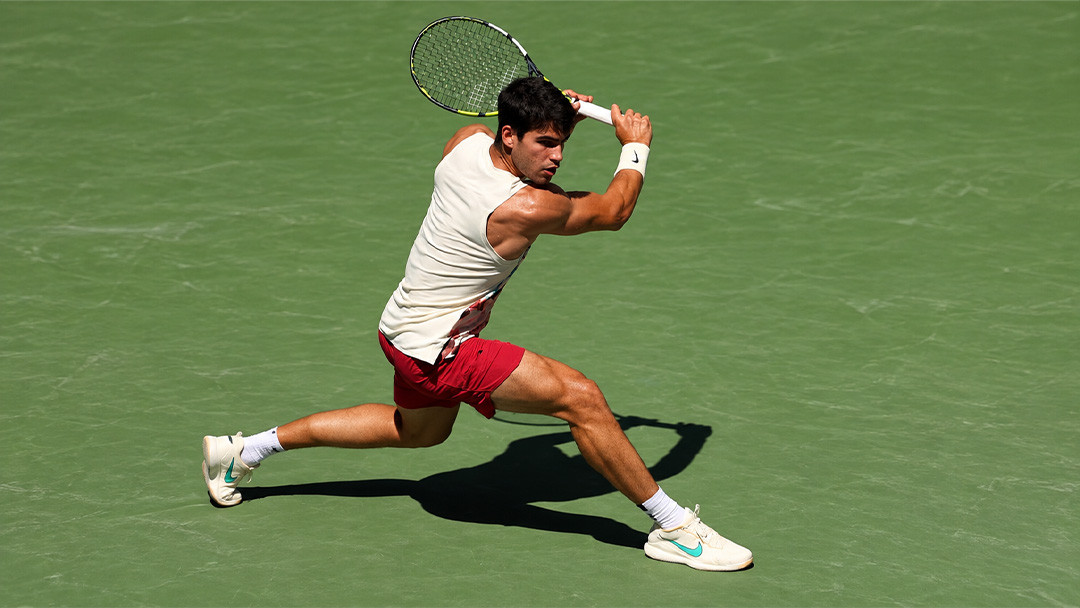
9. Coverage, Opacity and Stability Need Separate Checks
Coverage, opacity and garment stability are related, but they are not the same thing.
Coverage
Coverage asks whether the garment exposes more than intended during the actual movement.
Opacity
Opacity asks whether the stretched fabric remains visually acceptable under the intended color, lighting and stretch condition.
Stability
Stability asks whether waistbands, liners, necklines and other areas remain in the intended position while the player moves.
10. Do Not Turn Functional Claims Into Marketing Claims Without Evidence
Words such as:
- quick-dry
- anti-pilling
- UV-resistant
- high compression
- sweat-wicking
- cooling
should not be treated as automatic properties of “performance fabric.”
If a claim is important to the product brief, define how it will be supported:
- supplier technical data
- laboratory report
- buyer-approved test method
- wear test
- production-intent sample review
11. Branding Should Fit the Product Architecture
Court apparel branding may include:
- Heat-transfer logos
- Screen print
- Embroidery
- Silicone branding
- Woven labels
- Printed care labels
- Club or team marks
Placement matters.
A logo that sits correctly on a standing sample can distort across high-stretch areas or become uncomfortable near seams, underarms or waistbands.
12. A Small Courtwear Capsule Is Often Better Than Too Many Unrelated Styles
A new brand does not necessarily need 20 courtwear styles at launch.
A focused capsule can test fit, colors and customer response with fewer development variables.
| Capsule Role | Possible Product | Development Priority |
|---|---|---|
| Hero Product | Tennis / pickleball dress | Fit, liner, movement and visual identity |
| Core Bottom | Skort or liner short | Coverage, storage and waistband stability |
| Core Top | Tank, fitted tee or polo | Shoulder mobility and styling compatibility |
| Layer | Quarter-zip, jacket or long-sleeve top | Warm-up use and collection coordination |
The exact capsule should depend on the target customer. The table above is a planning example, not a rule that every brand should follow.
13. Sample Approval Should Be Written, Not Remembered
When a sample is approved, the decision should be traceable.
Courtwear Sample Approval Checklist
- Product type confirmed
- Target sport confirmed
- Fabric code confirmed
- Composition and GSM recorded
- Base-size measurements approved
- Full movement test completed
- Coverage reviewed
- Opacity reviewed where relevant
- Waistband stability reviewed
- Built-in short inseam approved
- Leg opening reviewed
- Ball pocket tested with actual target ball
- Logo method and placement approved
- Color approved
- Care label information reviewed
- Packaging requirement recorded
- Final sample comments closed
- Current Tech Pack revision confirmed
14. Questions to Ask a Pickleball or Tennis Apparel Manufacturer
- Have you developed dresses, skorts, liners or other court-specific products before?
- Can you develop from our Tech Pack, reference sample or existing base style?
- How do you recommend testing shoulder and torso mobility?
- Can the ball pocket be developed around tennis, pickleball or both?
- Will you test the pocket with the actual ball before bulk approval?
- How will liner inseam and leg opening be controlled?
- How do you evaluate light-color opacity?
- Can you provide alternative fabric constructions rather than only fiber percentages?
- What fabric information and test evidence can be provided?
- How are logo placement and high-stretch areas reviewed?
- When is size grading completed?
- Which representative sizes should be reviewed before bulk?
- What must be approved before the PPS?
- What must be approved before bulk cutting?
- How are final sample comments recorded and controlled?
Frequently Asked Questions
Can the same apparel be used for tennis and pickleball?
Some products can share a base design, but sport-specific details should still be reviewed. Ball storage is an obvious example because pickleballs are larger than common Type 1 and Type 2 tennis balls. Movement, fit and target-player preferences should also be validated.
What fabric is best for tennis and pickleball apparel?
There is no universal best fiber. Brands should evaluate the finished fabric's composition, GSM, knit construction, stretch, recovery, opacity, surface finish and intended garment use instead of choosing by nylon or polyester name alone.
Should a tennis dress have built-in shorts?
Built-in shorts are common because they can provide coverage and storage, but the liner should still be treated as its own engineered component. Inseam, rise, leg opening, stretch, opacity and pocket position should all be approved.
How should a brand test a pickleball or tennis skirt?
Use actual court movements such as lateral shuffling, lunging, torso rotation and ready-position squats. Check waistband movement, skirt clearance, liner stability, coverage and any ball pocket during the test.
How large should a pickleball pocket be?
Do not define the pocket from a generic measurement alone. USA Pickleball specifies ball diameters of approximately 7.29–7.54 cm, so the pocket should be developed and wear-tested with an actual approved-size ball while considering stretch and placement.
Is a tennis-ball pocket automatically suitable for pickleball?
No. Common ITF Type 1 and Type 2 tennis balls are smaller than the USA Pickleball standard diameter range. A tennis pocket may still work, but it should be checked for opening size, depth, retention and access with the intended pickleball.
What should be approved before bulk courtwear production?
Approve the production-intent fabric, base fit, measurements, grading requirements, liner, storage, branding, color, construction and required performance checks. Keep those decisions in the current Tech Pack or written approval record.
Can a manufacturer guarantee that a courtwear product will never ride up or move?
Absolute guarantees should be avoided. Garment behavior depends on body dimensions, fabric stretch and recovery, pattern ease, construction and movement. The better approach is to define the intended fit and validate representative samples through wear testing.
Final Recommendation
Do not develop private label pickleball or tennis apparel by starting with a logo, Pantone color and a generic stretch fabric.
Start with the player.
Define the sport, climate, product architecture, coverage, ball-storage need, fabric behavior and intended fit.
Then build a production-intent sample and test it through the movements the customer will actually perform.
Nylon vs Polyester for Activewear: How Brands Should Choose
Activewear Fit Sample Approval Checklist
How to Turn an Activewear Sketch into a Production Sample
Developing a Tennis or Pickleball Collection?
Send us your product references, target player, Tech Pack, fabric direction, size range, ball-storage requirements and expected order quantity. Our team can review the development route before sampling and bulk production.
Discuss Your Courtwear ProjectTechnical & Market References
- Sports & Fitness Industry Association — 2026 Pickleball Single Sport Report, reporting 2025 U.S. participation.
- United States Tennis Association — 2026 U.S. Tennis Participation Report, reporting 2025 participation.
- International Tennis Federation — Rules of Tennis, Appendix I: The Ball.
- USA Pickleball — Equipment Standards Manual: Ball Specifications.