Activewear Pilot Production: A Scale-Up Checklist
Quick answer
Consider an activewear pilot run when an approved sample leaves important production-scale questions unanswered, such as how a new material or construction will behave through the planned manufacturing process. Agree the risks, trial conditions, records and release decision before cutting the trial batch.
The useful question is specific: what must this run demonstrate before the next production stage can begin?
1. Understand What the Pilot Run Is For
For this guide, a pilot production run means a limited, planned batch used to investigate a defined manufacturing question. Buyers and factories may use different terms, so agree the purpose in writing.
A pre-production sample, commonly called a PPS, helps define the intended product and its approved version. A pilot run examines how the planned manufacturing setup produces that product across the agreed trial scope. A small commercial order can serve a different purpose, such as testing customer demand. The short explanation of PPS and pilot-run differences covers the distinction.
Scroll the table horizontally to see all columns.
| Stage | Main question | Useful evidence | Important limit |
|---|---|---|---|
| Pre-production sample | What product version are we approving? | Identified sample, specifications, material references and approval comments. | One approved sample cannot establish variation across a production run. |
| Pilot production run | Can the planned setup handle the risks covered by this trial? | Process conditions, identified units, observations, measurements and corrective-action records. | Findings apply to the recorded scope; untested variations remain open. |
| Small commercial order | How will this product perform as a commercial launch or initial order? | Agreed production records plus relevant sales and customer feedback. | Small quantity alone does not make an order a controlled process trial. |
| Pre-shipment inspection | Does the presented lot meet the agreed inspection criteria? | Inspection plan, sampled units, findings, measurements and release decision. | Lot acceptance does not establish how every process will perform over time. |
If the product definition is still changing, start with the sketch-to-sample development process. A pilot cannot resolve an unclear design brief simply by producing more units.
2. Identify the Risk That Needs a Trial
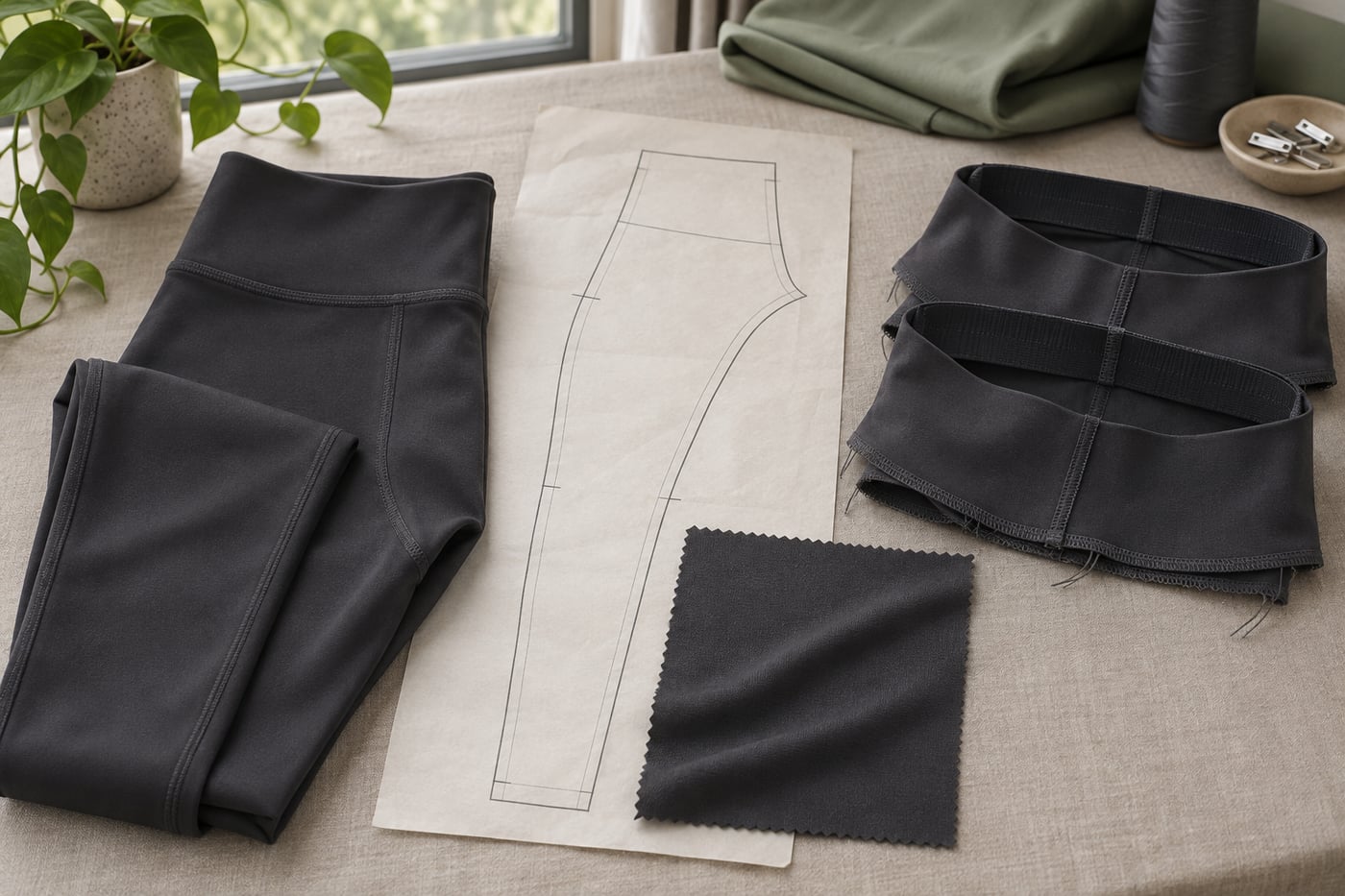
A pilot is worth considering when the uncertainty is tied to manufacturing conditions. Examples include a fabric the factory has not used for the style, a new waistband assembly, an unfamiliar trim application or a production transfer.
Write the question as something that can be observed. “Check quality” leaves too much open. “Check whether the approved waistband assembly can be sewn consistently using the planned material and operation sequence” gives the team a useful starting point.
Scroll the table horizontally to see all columns.
| Risk or change | Question to investigate | Records to collect |
|---|---|---|
| New fabric in an existing style | What happens during spreading, cutting, sewing and subsequent handling? | Material identity, roll/batch references, operation observations and relevant garment checks. |
| New waistband construction | Are the specified attachment and finished dimensions achieved under the planned setup? | Construction revision, work instructions, identified measurements and visible defects. |
| Heat-applied branding | Does the agreed application give acceptable results on the actual garment material? | Transfer identity, application conditions, appearance and required post-care checks. |
| New production location or process provider | Which conditions differ from the approved development route? | Process map, responsible facilities, proposed differences and evidence of verification. |
These are development examples, not a standard test menu. Choose checks that suit the garment and the risk. A laboratory performance question may need a suitable test method alongside the production trial.
3. Agree the Scope Before Cutting
There is no single pilot quantity or percentage that can be assigned to every activewear order. Start with the uncertainty, the variations that matter and the decision the evidence must support. Then agree a feasible trial scope with the technical and production teams.
Define what will be represented
- Product: style revision, construction, materials, colors and trims.
- Range: sizes or configurations selected, with a reason for each selection.
- Process: operations, equipment, attachments, work instructions and production location.
- People and timing: who will perform and review the work, and when observations will be taken.
- Handling: relevant pressing, finishing, washing or packing stages included in the trial.
If the run uses substitute fabric or a different application process, record the difference before work starts. The trial can still answer some questions, but conclusions should stay within what the actual setup can establish.
The activewear fit sample approval checklist helps confirm the reference product. Keep that approval package linked to the trial instructions so the production team has a clear target.
4. Write the Checks and Decision Rules in Advance
A pilot brief should identify what will be checked, how it will be checked, who owns the decision and what happens when a result is outside the agreed requirement. Keep workmanship, measurements, function and material performance distinct where they need different evidence.
ASQ’s quality-planning guidance connects project requirements with responsibilities, applicable checks and documented criteria. The brief below is a suggested way to apply that planning principle to an activewear trial; it is not an industry-mandated pilot form.
Scroll the table horizontally to see all columns.
| Field | What to agree before the run |
|---|---|
| Trial question | The specific manufacturing uncertainty and the decision the run must support. |
| Reference package | Approved sample ID, tech pack revision, BOM, artwork and relevant work instructions. |
| Coverage and quantity | Styles, colors, sizes, selected operations, planned units and the reason for the selection. |
| Conditions | Actual materials, equipment, process route and any planned substitutions. |
| Checks | Inspection points, measurement methods, relevant tests and timing of observations. |
| Decision basis | Agreed requirements, tolerances, treatment of unresolved findings and who may approve release. |
| Records | Unit/batch identity, raw findings, photographs where permitted, revisions and review signatures. |
| Commercial handling | Trial charges, material usage, disposition of units and schedule implications, agreed separately. |
Set measurement tolerances from the approved specification. Agree defect definitions for this product. If a performance report is required, identify the method and conditions with the laboratory or technical owner. Avoid filling the form with familiar limits that nobody has confirmed for the style.
For an overview of the site's inspection support, review activewear quality control for custom production and confirm the scope needed for the project.
5. Record Trial Conditions and Product Findings
Inspecting finished trial garments can show that a problem exists. Process records help the team investigate where it appeared and whether a change addressed it.
Give the run and its units a traceable identity. Record the material batch, operation and time or sequence associated with a finding. If settings or work instructions change during the run, identify the units produced before and after the change.
Scroll the table horizontally to see all columns.
| Unit or batch reference | Operation and condition | Observed finding | Action and verification |
|---|---|---|---|
| Record actual identity | Record process step, material and relevant setup. | Describe the symptom and location; attach permitted evidence. | State containment, action owner and the check required after correction. |
| Record the applicable version | Identify any change introduced during the run. | Keep original measurements and rework findings distinct. | Link the revised instruction and the units used for verification. |
Keep counting rules clear
If you report a percentage, define the numerator and denominator. A garment with several defects can contribute one defective unit and several individual defects. Mixing those measures produces a misleading result.
If first-pass performance is part of the plan, record units accepted before rework separately from units accepted after rework. Keep rework visible even when the finished garments become acceptable. Check the same set of units and account for any units that were not evaluated.
Record useful time observations, but explain whether they include setup, training, interruptions or rework. A brief trial does not independently establish normal production capacity or a guaranteed delivery rate.
6. Correct, Verify and Decide What Can Proceed
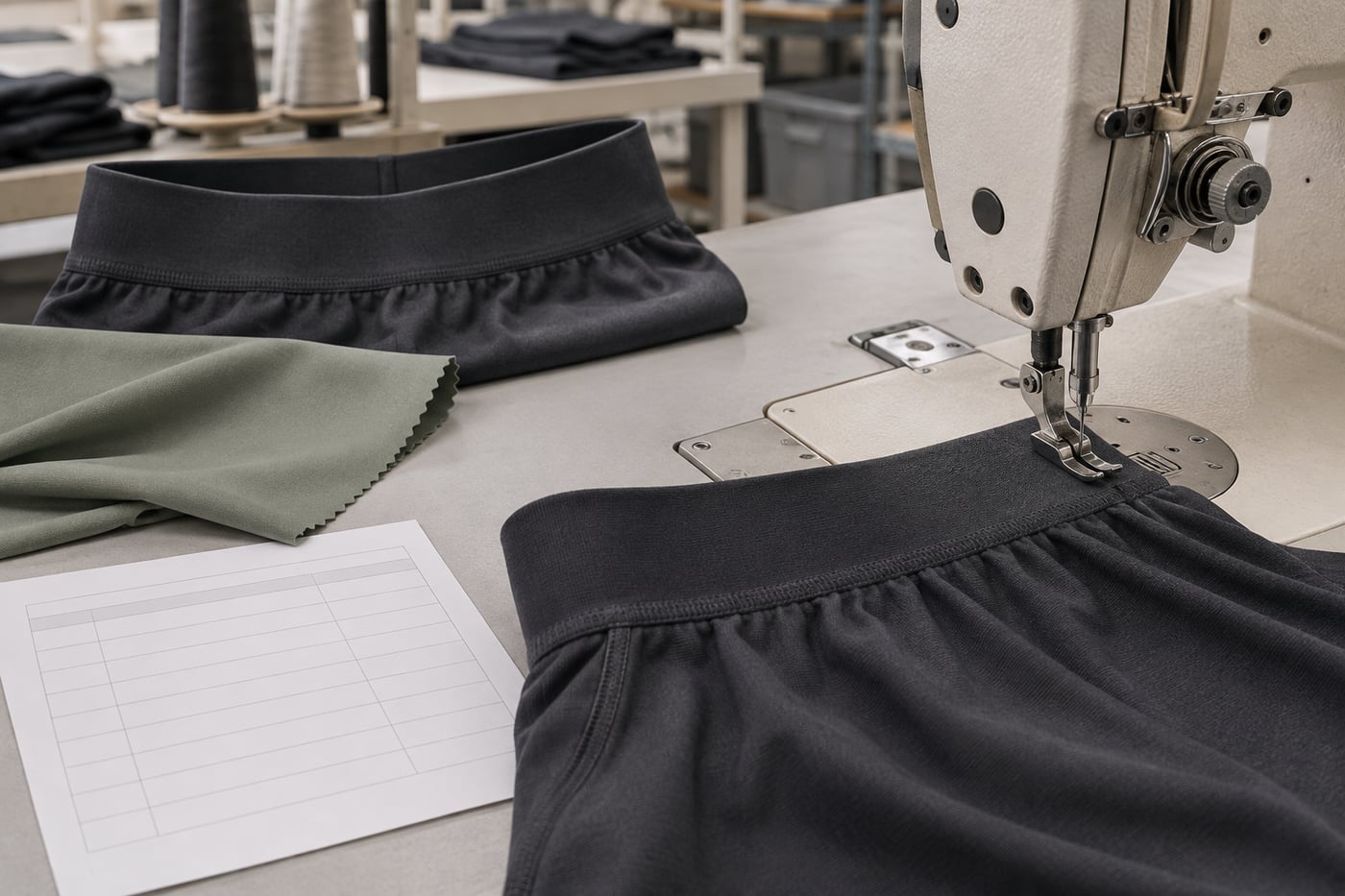
When a recurring issue appears, identify and control the affected work while the team investigates. Preserve the original evidence, record plausible explanations and verify the proposed correction. A finished unit that looks better after rework does not by itself show that the process problem has been addressed.
The related FAQ on recurring defects found during inline inspection explains the immediate containment and follow-up steps.
For example, a seam finding could lead the team to review construction instructions, feeding, material handling or other relevant conditions. The observation alone cannot establish which explanation is correct.
- 1. ContainIdentify affected units and prevent uncontrolled continuation.
- 2. InvestigateUse records and actual samples to test the explanation.
- 3. VerifyCheck the revised process under the relevant conditions.
- 4. DecideDocument what is released, held or still under review.
Scroll the table horizontally to see all columns.
| Outcome | When it may be appropriate | What the record should show |
|---|---|---|
| Proceed within the verified scope | Required checks support the agreed decision and open issues are addressed. | Approved product/process versions, review owner, evidence and first-bulk monitoring points. |
| Hold and repeat relevant checks | A requirement is unmet or the evidence cannot support release. | Affected scope, correction, verification plan and responsibility. |
| Limit the release | Only part of the product range or process has been verified, and that part can be controlled separately. | Exact permitted scope and controls that keep the unverified scope from proceeding. |
| Escalate for a decision | A remaining deviation needs authorized commercial or technical review. | The deviation, consequences, decision authority and documented disposition. |
Agreed pilot criteria do not override applicable legal, safety or customer requirements. A person accepting a commercial deviation must have the relevant authority; a general “approved” message can leave the scope unclear.
After approval, keep the trial report, revised instructions and product references together. A later material or process change may require a fresh review of the affected checks.
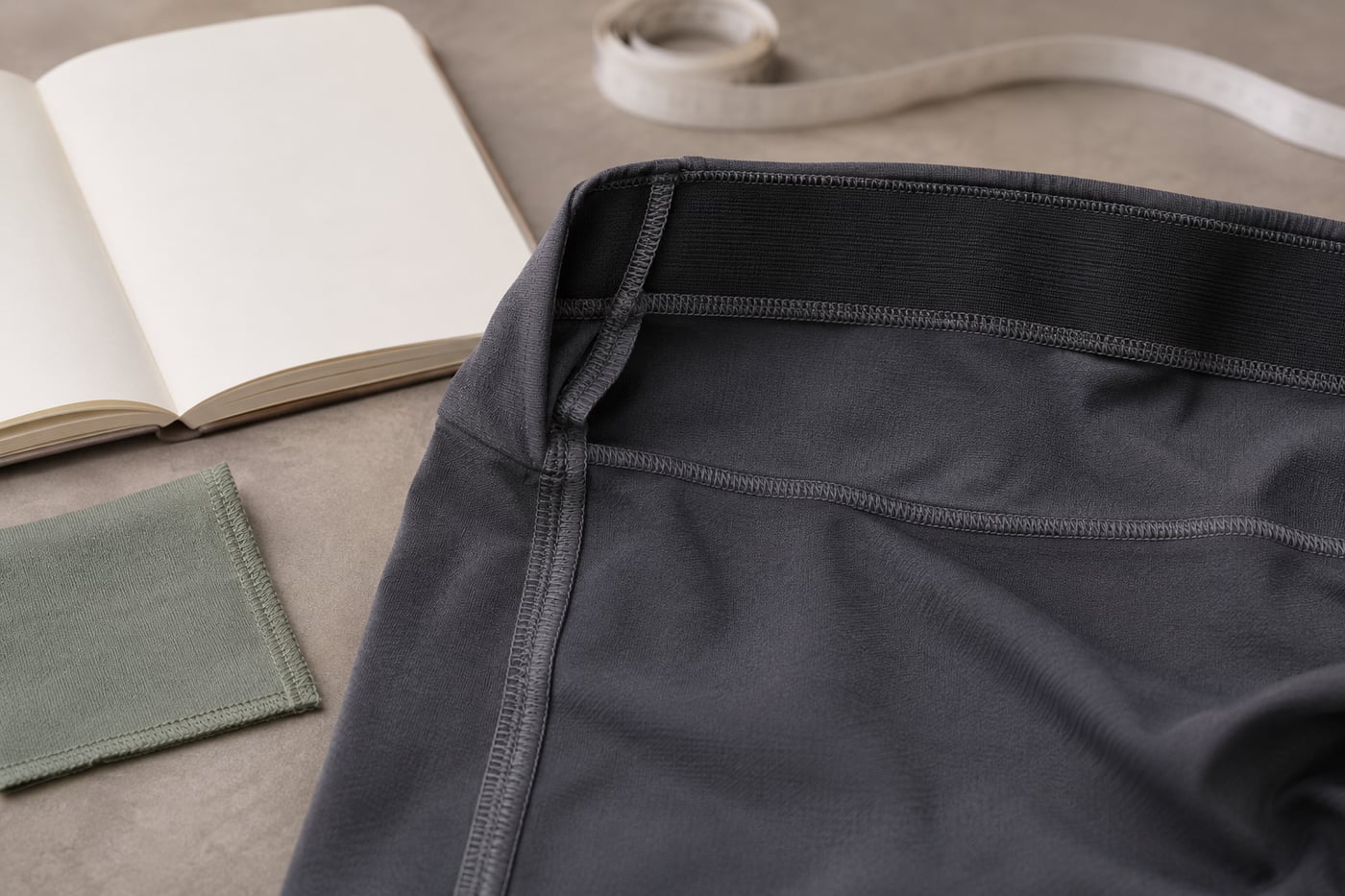
7. Understand What a Successful Pilot Cannot Establish
A trial provides evidence about the units, conditions and variations actually covered. It does not establish zero defects, future consistency across all batches or performance in sizes and colors that were not represented.
ASQ’s process-capability guidance explains why representativeness and process stability matter when drawing conclusions about ongoing performance. Avoid adding capability statistics to a short trial unless the data and statistical assumptions support them.
A pilot also has a different purpose from lot acceptance sampling. ISO 2859-1:2026 describes AQL-indexed sampling schemes for lot-by-lot inspection. Applying an agreed inspection plan to a presented lot does not by itself validate every process used to make that lot.
The activewear AQL inspection guide covers the questions to settle before a pre-shipment inspection. Keep that work in the overall control plan even when a pilot has been completed.
For custom women’s activewear, the same planning approach can be adapted to the actual garment. A legging waistband, a jacket zipper and a sports bra assembly need different questions and evidence.
8. What to Send Before Discussing a Pilot Run
Prepare the approved product reference, current specifications, material identities, the process changes involved and the questions you want the trial to answer. Include your proposed coverage and what still needs the factory's technical input.
Then agree the feasibility, charges, material use, verification work and release authority. Pilot units may be samples, reworked units or saleable goods depending on the project; their status should be decided rather than assumed.
Use the to start a focused discussion with Call The STYLE. Bring the unresolved manufacturing question and the existing approval package, then confirm which checks the project requires.
Method and Reference Notes
This article provides a suggested buyer-side planning framework. It does not report a completed factory trial, prescribe a universal pilot quantity or establish acceptance limits. No defect-reduction, capacity or financial result is claimed.
- ASQ: What Is a Quality Plan? supports the general relationship between requirements, responsibilities, checks and documented criteria.
- ASQ: What Is Process Capability? supports the limitations around representativeness, stability and ongoing-process conclusions.
- ISO 2859-1:2026 public scope is cited to distinguish lot-by-lot acceptance sampling from a project-specific process trial.
Public sources checked November 6, 2026. The cover and article images are AI-generated conceptual illustrations. They do not document an actual facility, pilot run or measured result. Use project-specific records for technical decisions.
Frequently Asked Questions
Is a pilot run required for every activewear order?
There is no universal requirement established by this guide. Review the product, process changes and unresolved risks, then agree whether a pilot or another form of verification is useful. Stable repeat work and unfamiliar constructions may need different plans.
Can a pilot use substitute fabric?
It can investigate questions that the substitute material can reasonably represent. Record the difference and limit the conclusions. Checks that depend on the actual production material remain open until suitable evidence is available.
How many garments should a pilot include?
Agree the quantity from the questions, variations, checks and decision involved. Record the selection rationale and the coverage that remains untested. A fixed percentage of order quantity cannot establish an adequate scope for every project.
What happens if recurring defects appear?
Control the affected work, investigate with traceable records, document the correction and verify the relevant process again. The release authority should decide what can proceed based on the agreed requirements and evidence.
Does passing the pilot replace pre-shipment inspection?
A pilot does not automatically replace the inspection or release work agreed for the bulk lot. Keep process-trial evidence and lot-acceptance evidence separate in the control plan.
Can pilot results be used to promise bulk capacity?
Short-run observations need context, including setup, interruptions, operator familiarity and rework. They should not be turned into a guaranteed production rate without suitable ongoing-process evidence.