Activewear Design Changes After Sample Approval
Quick answer
Record the design change against the approved pre-production sample (PPS) and tech pack. Identify the affected materials, sizes and work in progress, then agree which checks and approvals are needed. Release the affected work once the revised files, physical references and written approval point to the same production version.
This guide covers a change to a first bulk activewear order after sample approval. Use it when a revised fabric, pattern, logo or packing instruction could reach production while the original approval is still in use. For repeat orders, start with the activewear reorder specification guide.
1. Describe the Change in Measurable Terms
Start with the last approved baseline. Record the tech pack and pattern revisions, the sample ID and its approval date, and the applicable material, artwork and packing references. Then put the old requirement and proposed requirement side by side. Translate “make the waistband tighter” into an identified point of measure, a revised target, the measurement method and any tolerance that must be agreed.
State exactly where the request applies. Include the style, colorways, size range, order or lots, and the proposed point of changeover. List unaffected variants separately when the boundary is easy to misunderstand. Use the activewear fit sample approval checklist to identify what was reviewed on the original sample.
Scroll the table horizontally to see all columns.
| Field | What to record |
|---|---|
| Request and owner | Change ID, date, requester, reason and person coordinating the review. |
| Approved baseline | Order, sample ID, file revisions and existing material or component reference. |
| Proposed revision | Old and proposed requirement, annotated drawing or placement, measurement method and units where applicable. |
| Effective scope | Affected styles, colors, sizes, lots and proposed start point. |
| Decision and evidence | Review owner, required checks, approval reference and hold or release status. |
2. Trace the Effects Across the Garment
Review the proposed change with the people who own the affected decisions. A different knit can alter how the garment stretches and recovers, how a seam behaves and how the fabric looks under extension. Its weight or fiber blend alone gives limited information about how it will behave in the finished garment. Review what changes for the actual style and use case.
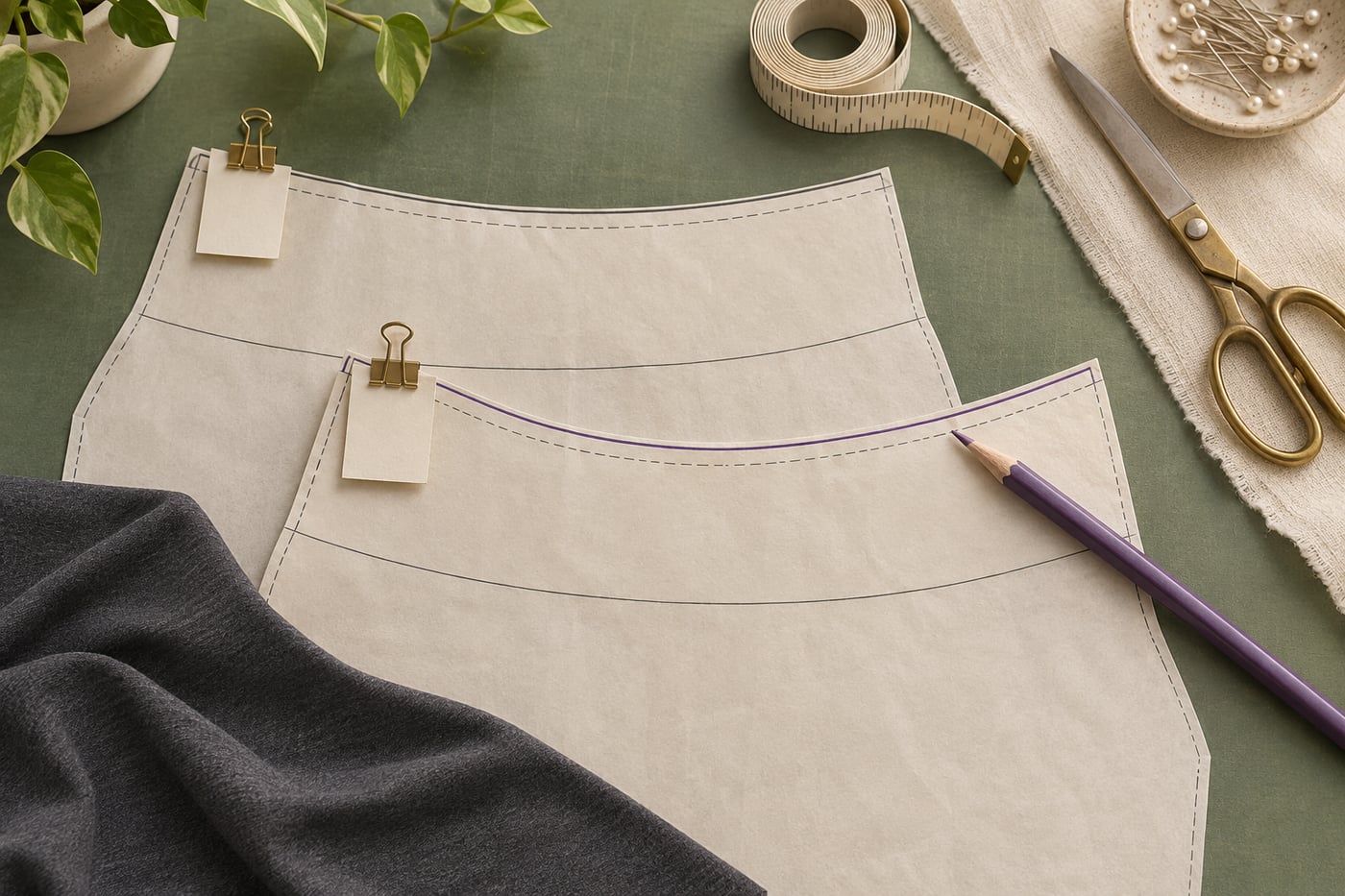
A pattern revision can also affect grading, adjoining seam lengths, placement marks and the cutting layout. For branding, check artwork version, size, position, application method and compatibility with the fabric. For packing, identify any affected label, barcode, assortment or carton instruction. For related details, see the factory-ready tech pack checklist and the FAQ on controlling print artwork revisions.
Scroll the table horizontally to see all columns.
| Proposed change | Trace the impact | Evidence to consider | Suggested reviewers |
|---|---|---|---|
| Main fabric replacement | Material code and lot, fit, recovery, opacity, seams, care and branding compatibility. | Material comparison, finished garment review and relevant agreed performance checks. Extend size coverage if the effect varies by size. | Material, fit and quality owners. |
| Waistband or seam revision | Pattern pieces, finished measurements, grading, matching seams and work instructions. | Updated pattern, revised sample or affected assembly, and measurement and fit checks where needed. | Pattern, fit and production owners. |
| Logo or transfer revision | Artwork, dimensions, placement, color, substrate and application settings. | Revised artwork proof or applied strike-off. Review adhesion, appearance and wash performance when the change warrants it. | Branding and quality owners. |
| Label or packing revision | Label content, artwork version, barcode mapping, size assortment and carton marks. | Approved proof or packed reference and a scan check where barcodes are affected. | Packaging, brand and quality owners. |
Assign each required check a method, comparison reference, acceptance criterion and reviewer. For laundering checks, confirm with the lab whether the agreed method suits the material or the finished garment. AATCC lists separate methods for dimensional change of fabrics and garments. AATCC test method directory
3. Check Work Already Completed
Ask for a dated count of the work that may be affected. Separate materials ordered or received, rolls reserved, cut bundles, sewn units and packed units. Record the style, color, size, material lot and current location where relevant. Identify the step at which the revised instruction could first be applied.
Place affected work on hold while its disposition is decided. Label and physically separate affected bundles or lots, and make the hold visible in the production records. If an unaffected scope can continue, document its boundaries and the person who authorizes it. Confirm any feasible reuse, rework, recut or other disposition in writing with the people responsible for the order.
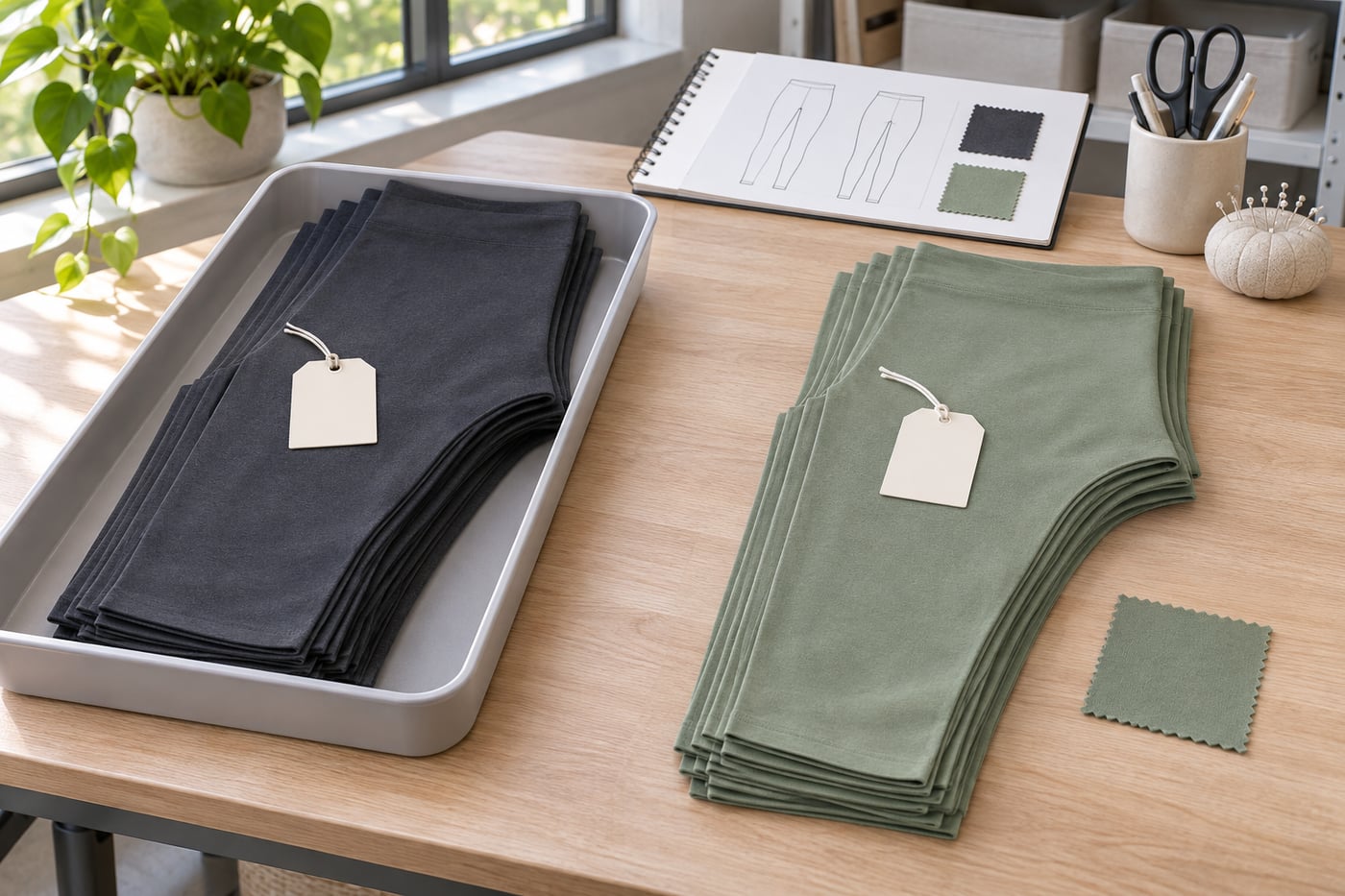
Illustrative scenario. A brand requests a new main fabric for the black colorway of a legging after some black panels have been cut. Log the request against the approved sample and identify the cut bundles by size and fabric lot. Hold those bundles and keep them traceable while the team reviews the replacement fabric, fit, seam behavior and any applied logo. Release the revised black version only after the agreed checks and a written decision on the original cut work.
4. Agree What Needs Reapproval
Use the impact review to choose what evidence to request. A localized artwork placement change may be verified with an applied proof and placement check on the relevant garment. A fabric or construction change that affects fit, movement or appearance may require a new finished sample, size coverage or specific performance checks.
Ask what the proposed evidence actually represents. An application proof on a swatch may confirm color or placement intent, while garment construction and stretch can still affect appearance in use. Record the garment, material and revision covered by each result. Attach the report, photos or marked measurements to the change record so reviewers can trace their decision.
Distinguish technical approval from release permission. A reviewer can accept a revised sample while a material disposition or schedule decision remains open. Record who can approve each decision and what must be complete before the affected operation resumes. ASQ guidance on quality plans
5. Issue One Controlled Production Package
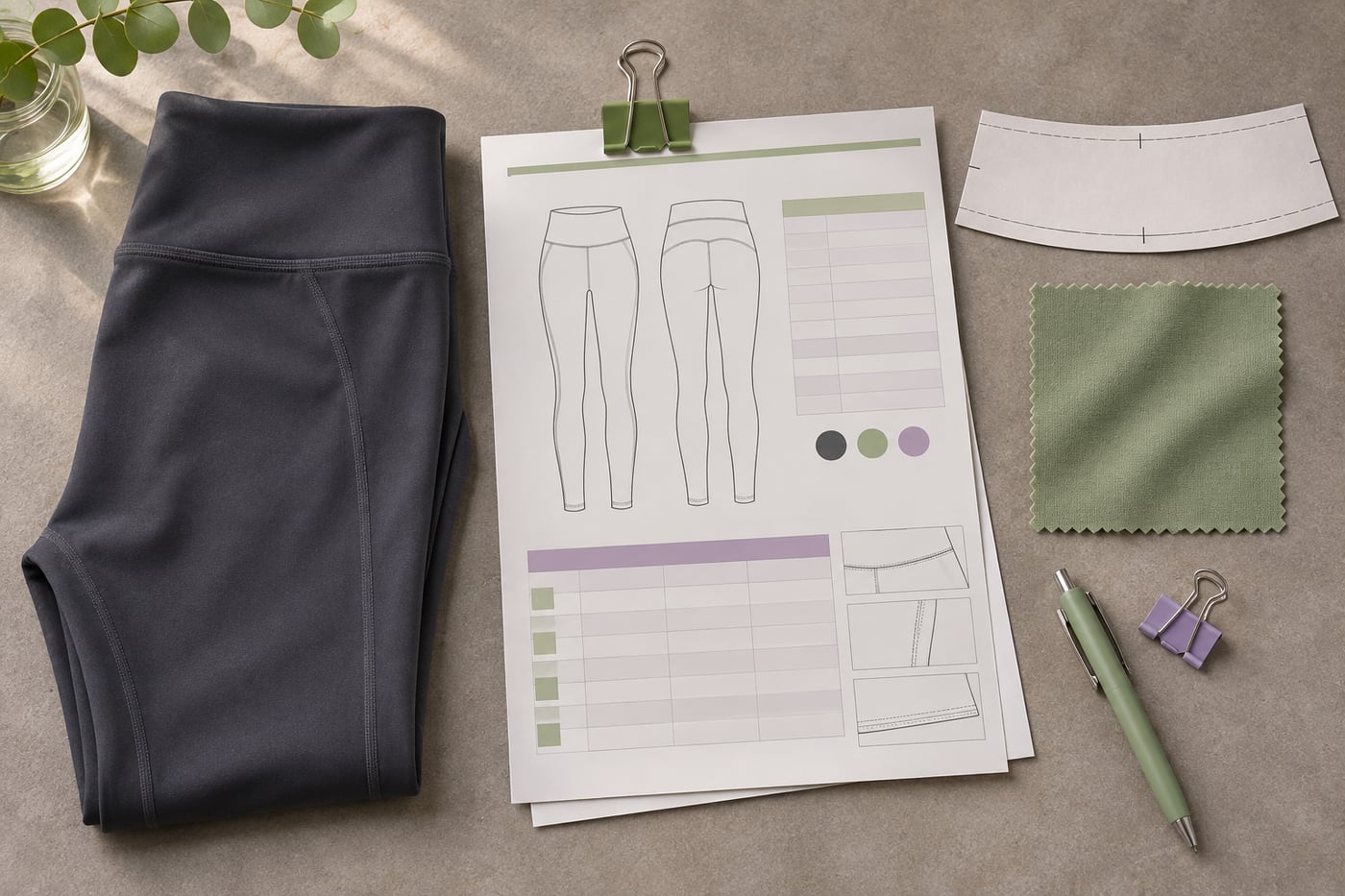
Publish a revision list that identifies the current version of each applicable file. Depending on the change, it may include the bill of materials (BOM), tech pack, pattern and grade, measurement chart, artwork, sewing instructions, inspection plan and packing specifications. Label the physical PPS, swatches and proofs so their IDs match the release record.
Retain superseded versions in the archive for traceability and remove them from working folders and production stations. Confirm that planning, materials, cutting, sewing, branding, quality and packing teams received the applicable release. Ask the operators responsible for the next step to verify the revision they will use.
6. Restart Production at an Agreed Gate
Use a written release that names the effective order, colorways, sizes, material lots and operation. Review the status of each of the following items with the people responsible for restarting work.
- The proposed change and effective scope are approved.
- Required samples, proofs or tests have been reviewed against the agreed criteria.
- Held work has a documented disposition and remains identifiable through the changeover.
- Active files, materials and physical references carry the correct revision.
- Changes to costs or dates and any unresolved items have a documented decision or hold.
- The release owner and the person checking the first affected production units are named.
Check the first affected units against the revised requirement, record their identities and results, and escalate any mismatch before proceeding with the affected work. For a concise overview of the underlying process, see the FAQ on managing design changes after production approval.
To review a proposed change before bulk production, prepare the approved tech pack, marked revision, affected order scope and current work status. Activewear Design and Technical Support
Cover and article images are AI-generated concept illustrations.
Frequently Asked Questions
Does a logo change require a new sample?
Match the sample to the impact. A revised artwork proof or applied strike-off may cover a localized change if it demonstrates the agreed size, placement, color and appearance. Request a revised garment or additional checks when the change affects construction, application on stretch fabric or performance after care.
Can production continue while a change is reviewed?
Keep the affected work on hold until its status is decided. Unaffected work may continue when its scope is identifiable, can be kept separate and has written authorization from the responsible person. Document the point where the revised version takes effect.
Which files should be updated after a fabric change?
Update the fabric reference and BOM, and revise the affected tech pack fields, sample approval and inspection criteria. Review whether the pattern, grade, finished measurements, trim or transfer instructions, care label and packing records also depend on the new fabric. Publish the applicable revisions together in one release list.