Plus-Size Activewear Manufacturer: Fit, Grading & Support
Start with a fit block that suits the people who will wear the extended range, then grade each measurement and check the finished samples in motion. Keep your existing block if samples still meet the fit brief where your ranges overlap and at the upper end. If the same fit problem repeats despite the samples measuring correctly, revisit the pattern before adding more sizes.
A pair of leggings can measure correctly on the table and still slide down on the first squat. Those two observations give your pattern team different information. The tape tells you whether the sample matches the spec. The squat tells you whether that spec works on the body.
Decide Whether the Old Block Can Carry the New Range
Start with the brand’s body chart, target market and intended use. A fit block is the base pattern the factory works from. For leggings, look at how the waist, hip and thigh relate to one another, where the waistband should sit and how much room the wearer needs to bend. For a sports bra, start with the relationship between bust and underbust, the coverage you want and the activity the bra is for.
Run a fit session near the point where the ranges meet. Use the same fit brief for each size. If a sample misses the finished measurements, correct the sample and recheck it first. If the measurements are on target and the issue appears at one size, check the grade into that size. If several extended sizes need a different waistband angle, rise balance or cup shape, version a revised block for that group and test it again at the transition. Write down what prompted the change so the next round can check the same issue.
ASTM D6960/D6960M-16(2023) covers 14W to 40W in its plus women’s body measurement tables. Use it as one reference when building the body chart. Set finished garment measurements separately for the brand’s fit, fabric and movement requirements. Buyers selling across markets should share actual body measurements with their activewear manufacturer alongside local size labels. ASTM body measurement tables and scope
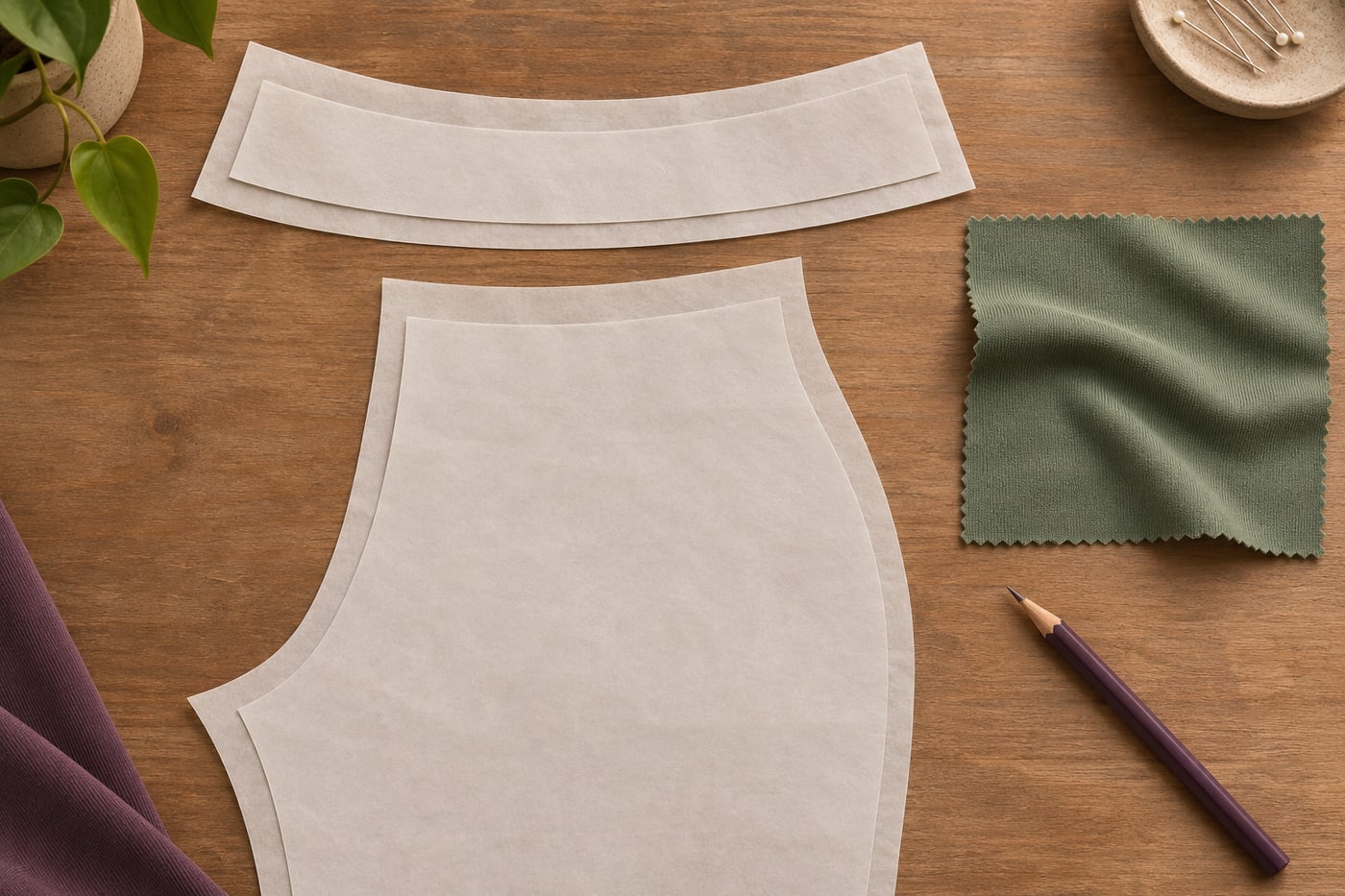
Imagine the waistband folds in the first extended size. Check the actual waistband measurement and elastic against the approved spec first. If the sample was made short, have the sample room remake it to spec and repeat the same squat. If it measures correctly, compare that size with the one just below it and with the next extended size.
If the fold only appears at the transition, ask the pattern maker to review how the waistband and rise change into that size. If the fold repeats farther into the range with the intended materials, trial a revised waistband shape or rise on that group before committing to a separate block. Keep the original samples for comparison. The fit note should tell the factory where the fold starts, what movement triggers it and which version to retest.
Ask for the Grade at the Points That Change the Fit
Ask your sportswear supplier to show the grade by point of measure. On leggings, review the waist, hip and thigh along with front and back rise. Check pocket position and opening on the body. On sports bras, review the underband, cup coverage, armhole and usable strap adjustment. A single scale percentage leaves those decisions implicit.
There’s a useful lesson from a garment study by Bye and colleagues. They compared conventionally graded patterns and patterns fitted to wearers across U.S. Misses sizes 6 to 20. In that sheath dress study, the largest difference between the pattern sets appeared between sizes 14 and 16. Treat that as a reason to check where your own sizes transition. The study examined a dress, so an activewear brand still needs to find its own transition through fit samples. Bye et al., Optimized pattern grading, 2008
Keep the body chart, finished garment spec, size increments and sewing tolerances visible in the tech pack. Each serves a different decision. In the fit room, check the approved base size, the sizes that meet at the range transition, and the upper end. Add a size if a major fabric, pattern or construction change needs its own check. How activewear size grading works
Make the Wear Test Answer a Specific Question
Decide what the wearer should be able to do and what you expect to see afterward. For a training legging, try a squat and step-up. For a bra intended for higher impact, plan a movement assessment relevant to that use and agree how you’ll judge support. Test with the intended fabric, elastic and seams, or record any sample substitutions before drawing conclusions.
| What you see | What to check next |
|---|---|
| Waistband folds during a squat | Watch where the fold starts. Compare front and back rise, band shape and elastic against the fit brief before changing the whole waist measurement. |
| Inner thigh seam rubs during repeated steps | Mark the contact point on the wearer. Review seam placement, bulk and movement of the fabric around the thigh. Repeat the same movement after the change. |
| A side pocket pulls the legging down when loaded | Repeat the same movement with the pocket empty, then with the intended item. Compare how the pocket opening, side panel and waistband behave. |
| Bra band rises as arms lift | Review the underbust fit, band shape and strap adjustment together. If tightening a strap helps one issue, check whether it creates another at the shoulder or cup. |
These observations point to what to investigate first. Confirm the finished measurements and the actual components before choosing a correction. If a bra needs more support, note where movement or loss of coverage occurs. Then check the band, cups and straps in that part of the fit trial before specifying a firmer fabric for the whole garment. Compression and support guide for leggings and bras
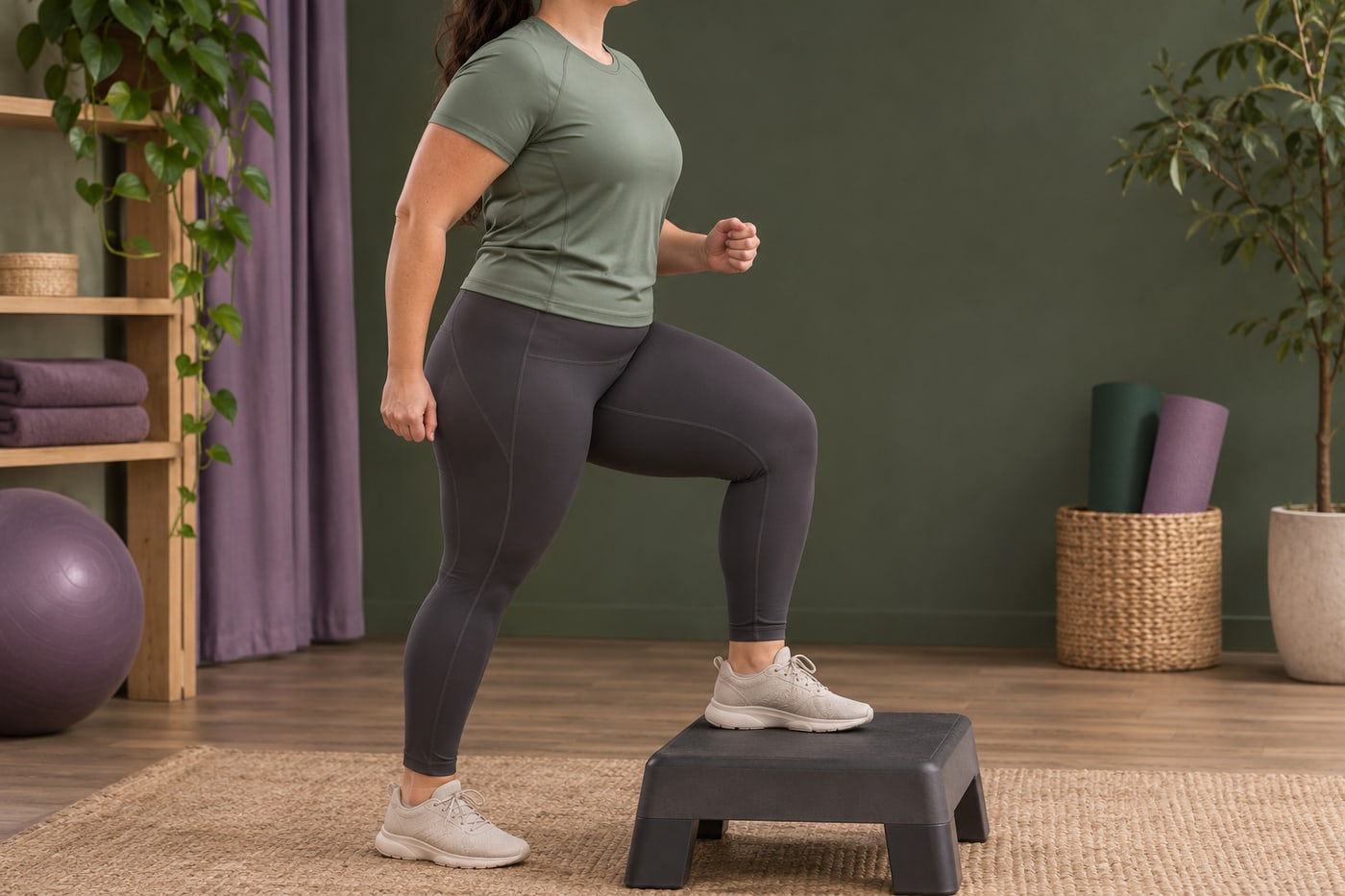
What a Real Pocket Legging Can Tell You
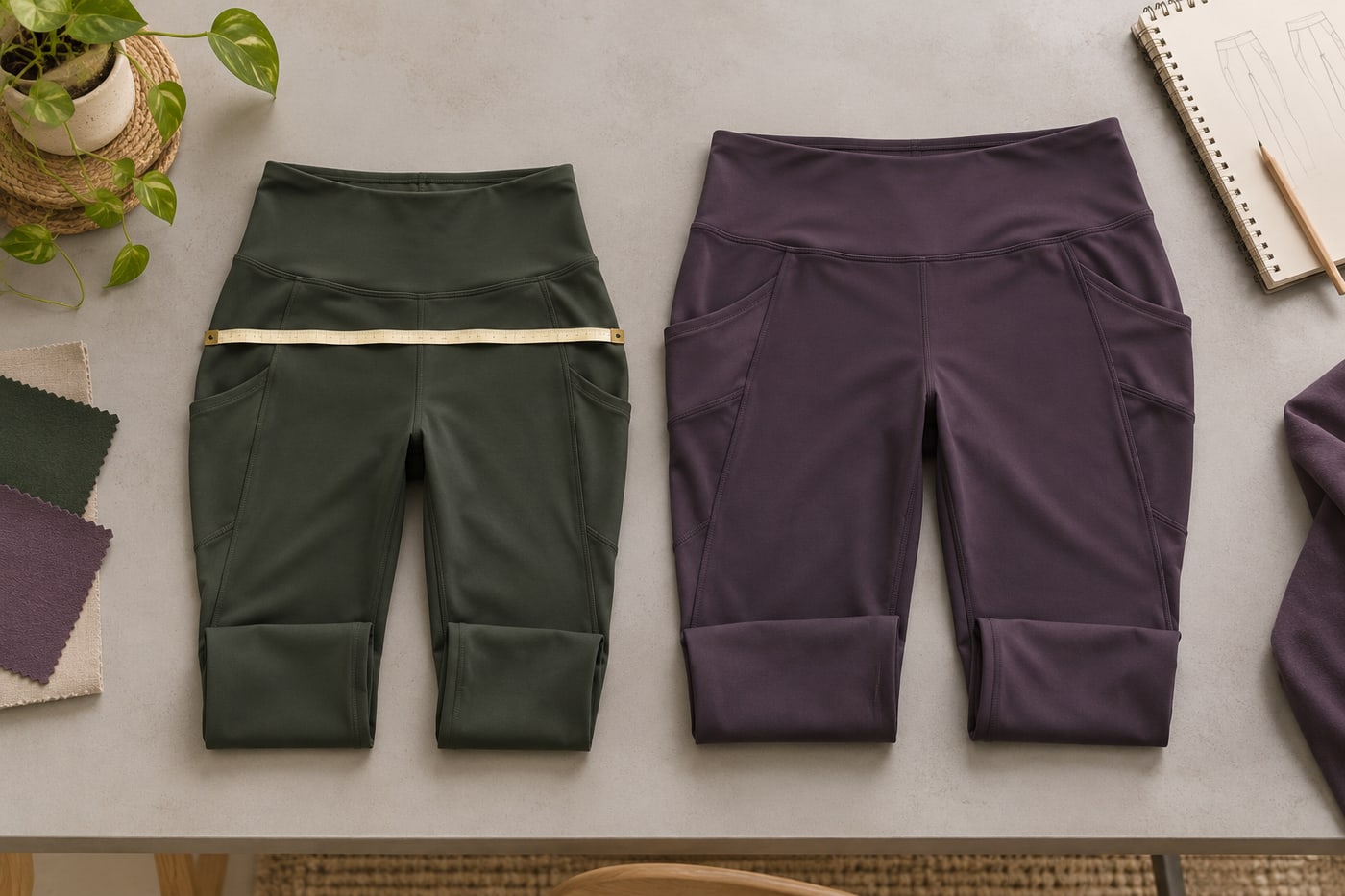
Call The STYLE’s WPSL-001 high rise pocket legging is a real catalog example with a wide waistband and side pockets. Its product page lists a 78% nylon and 22% spandex main fabric. That gives your team a construction reference and a starting point for a fabric discussion. For your own sample, put the intended item in the pocket, watch the waistband through movement and check coverage with the intended color and fabric. The product listing provides the specification. Your fit review supplies the evidence for your approval.
When comparing a plus size yoga leggings collection with your own design, decide which details you want to carry over. A high rise, a side pocket and a fabric blend each need a place in the brief. Note which details you want the factory to match and which ones are open to development.
What to Ask Your Manufacturer Before Bulk
Ask your private label activewear manufacturer to bring three items to the fit review.
- The version of the block and grade you’re approving. Ask the team to show any difference between the two size ranges and the reason for it.
- The size set and movement notes. Ask which sizes were checked, which materials were used and which observations still need a second look.
- The changes carried into the production spec. Match the revised measurements, materials and construction to the approved sample and agree who can release the first bulk units.
If you’re still building a shortlist, start with the plus-size activewear manufacturer checklist. If your technical team is ready to review an existing style, bring the body chart, size range, reference sample and the fit issues you want to resolve to Call The STYLE’s design and technical support team.
The cover and article images are AI-generated illustrations.
Questions Brands Ask About Plus-Size Fit
Do I always need a separate plus-size fit block?
Use the existing block if samples meet your fit and movement requirements across the extended range. A separate block is worth developing when repeated issues point to a change in proportions the current block cannot accommodate.
What if we only have budget for a few sizes in the first round?
Start with the base size, the boundary between ranges and the upper end. Mark the sizes outside that review as pending and agree how you’ll verify them before bulk. Give priority to any size where the grade, fabric or construction changes materially.
Can a fabric swap change the fit if the garment measurements stay the same?
Yes. The finished sample can measure the same off the body while stretch, recovery or how the fabric sits against the skin changes the fit in motion. Repeat the relevant movement and coverage checks in the replacement fabric before approving it.