
Resolving Pleat Retention and Fit Issues: A UK Tennis Skort Case Study
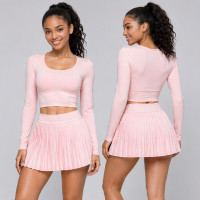
Executive Summary: A UK-based racket sports brand encountered structural issues with their two-piece tennis uniform prototypes. The skirt pleats flattened after washing, and the inner shorts repeatedly rode up during wear tests. We reviewed the tech pack and identified conflicts in fabric selection and pattern drafting. By adjusting the fabric weight, employing a specific heat-setting protocol for the pleats, and modifying the inseam structure, we provided a stable, production-ready solution that met the client's wear-test requirements.
Confidentiality & IP Protection Notice: To protect our client's intellectual property and brand identity, the specific brand name and sensitive proprietary design elements in this case study have been anonymized or replaced with our internal facility markings. Call The STYLE enforces strict Non-Disclosure Agreements (NDAs) and guarantees absolute copyright protection for all partner brands.
1. Client Background
The client is an athletic apparel brand based in the UK, operating in the tennis and padel markets. Their product requirement was a minimalist pink two-piece uniform consisting of a pleated skirt and a long-sleeve crop top with a built-in bra. The garments needed to support intense physical movement while maintaining a structured, classic aesthetic.
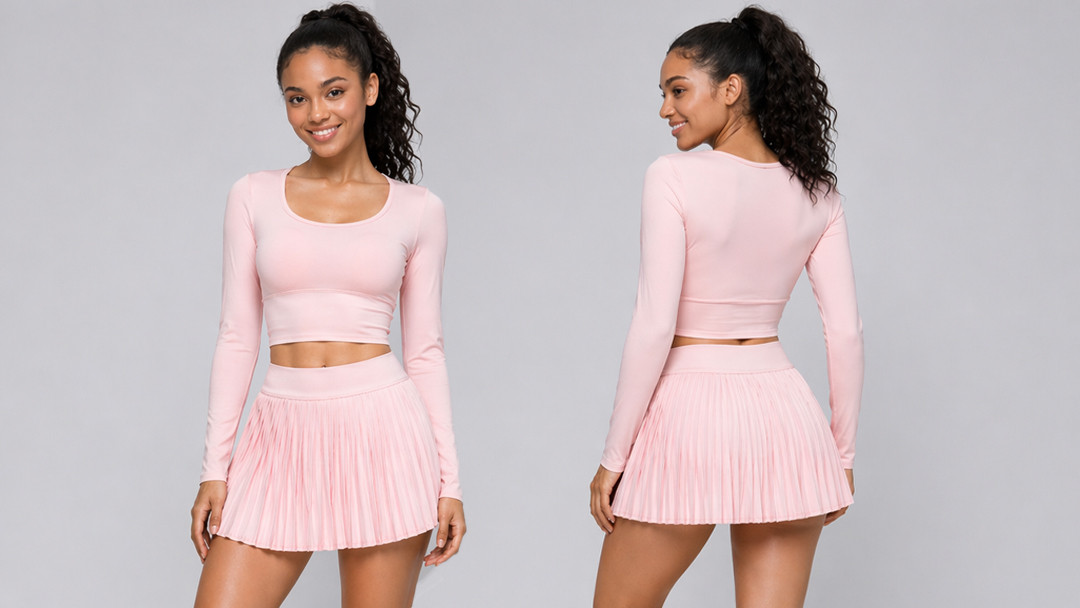
Figure 1: The two-piece racket sports uniform developed for the UK client.
2. The Problems Encountered
During the initial development phase with a previous supplier, the client faced three specific manufacturing issues that prevented them from moving to bulk production:
- Pleat Flattening (Loss of Shape): The fabric used for the skirt could not hold a pressed fold. After a standard machine wash cycle, the pleats lost their structure and required manual ironing to look acceptable.
- Inner Short Ride-Up: During court movement testing (sprints and lunges), the built-in shorts shifted and bunched up around the thighs, causing physical discomfort.
- Unstable Bra Construction: The chest pads in the long-sleeve top shifted out of place during movement, and the internal seams caused friction against the skin.
3. Root Cause Analysis
When the Call The STYLE technical team reviewed the initial prototypes, the root causes were clear: standard activewear spandex cannot hold a permanent heat-set pleat. Furthermore, the ride-up issue was caused by an incorrect inseam-to-hip ratio on the pattern block, which failed to account for muscle expansion during lateral movements.
4. Technical Parameters Adjusted
To establish a stable production standard, we adjusted the material and construction parameters as follows:
| Specification Item | Adjusted Parameter |
|---|---|
| Outer Skirt Fabric | Transitioned to a 160 GSM synthetic blend capable of maintaining thermal memory. |
| Top & Inner Short Fabric | Specified a 220 GSM high-stretch blend for targeted muscle compression. |
| Pleating Method | Implemented High-Temperature Rotary Pressing. |
| Seam Finish | Applied flatlock stitching to all internal contact points to reduce chafing. |
5. How We Solved the Issues
Through physical adjustments in our sampling room, we addressed each of the client's pain points:
- Securing the Pleats: By matching the correct synthetic blend with our thermal pressing machines, we locked the fold lines into the fabric's memory. This ensured the pleats remained structured after washing, without the need for post-laundry ironing.
- Fixing the Inseam & Grip: Our pattern makers re-drafted the built-in shorts, lengthening the inseam and adjusting the leg-opening circumference. Additionally, we applied a medical-grade silicone gripper to the inner hem. This dual-action approach anchors the shorts to the lower thigh, physically preventing the fabric from riding up during intense lateral movements.
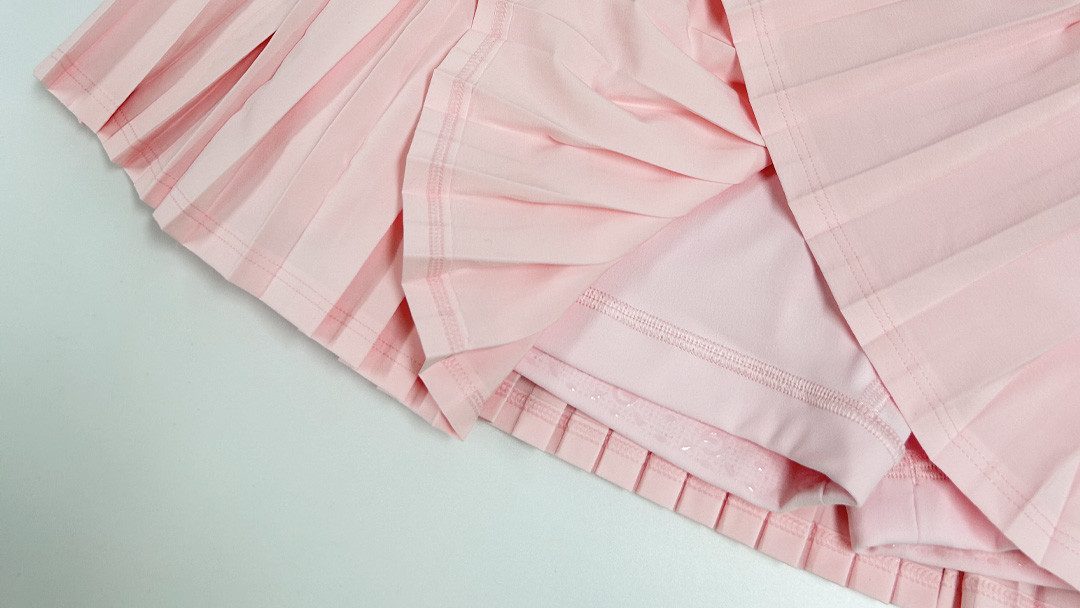
Figure 2: The adjusted pleat structure and modified inner shorts pattern with targeted grip.
- Stabilizing the Inner Bra: We constructed a dedicated shelf bra inside the long-sleeve top. We secured the pad pockets with targeted overlock stitching to prevent the removable pads from migrating or folding over during wear.
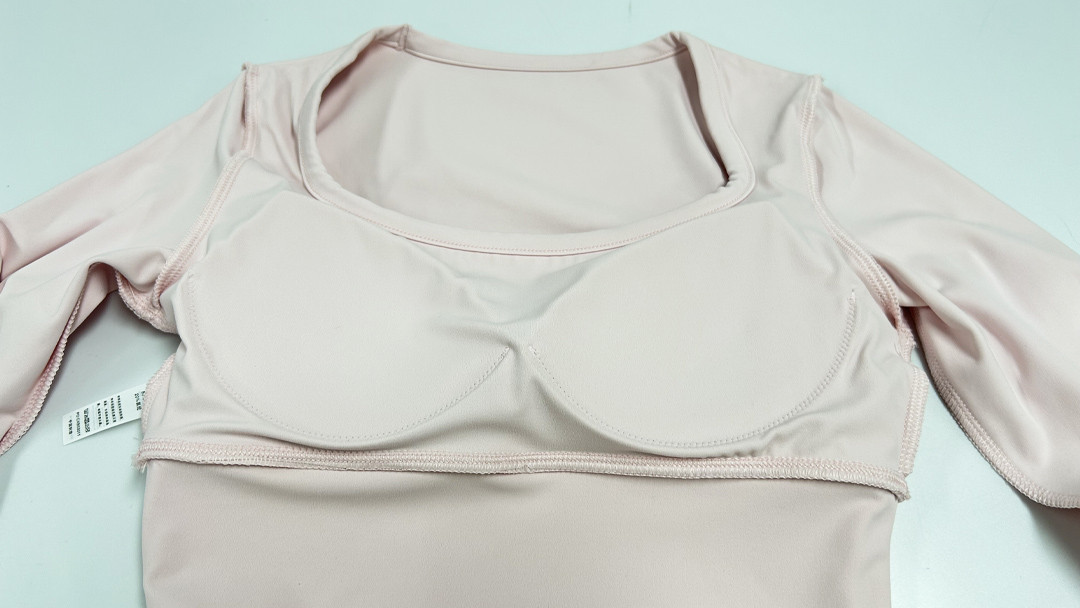
Figure 3: Internal construction of the top, showing the stabilized shelf bra and pad inserts.
6. Testing & Validation
To confirm the adjustments were effective, we ran the revised samples through our standard validation protocol before proceeding with bulk production:
- Stretch & Recovery Test: We physically tested the top's fabric to confirm the material returned to its baseline measurement without sagging after maximum extension.
- Wash Protocol: The skirt was subjected to multiple machine wash and line-dry cycles to verify the permanence of the thermal pleating.
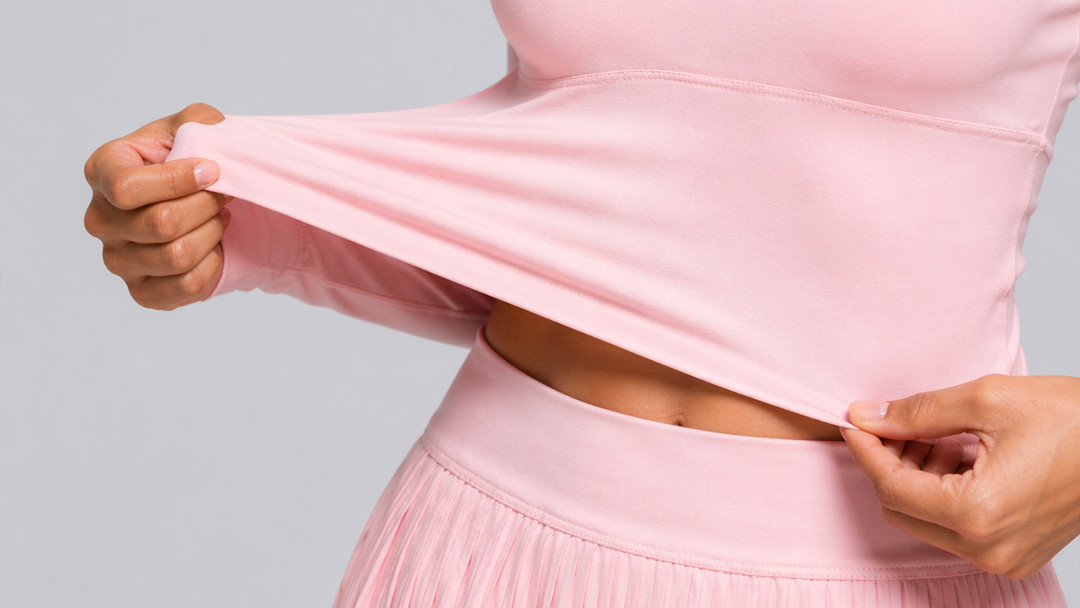
Figure 4: Evaluating the stretch modulus and recovery of the chosen fabric.
7. Bulk Production Quality Control
Solving a problem in the sample room is only half the process; maintaining that standard across bulk production is where consistency matters. Because we operate with a disciplined 100-piece Minimum Order Quantity (MOQ) per style and color, our production line avoids the instability of low-volume retail orders. This allows us to enforce strict QC protocols during bulk sewing:
- Inline Inspection: Every 20th piece on the sewing line is pulled for a tension and measurement check to ensure the pleat alignment and inseam specifications remain identical to the approved prototype.
- Efficient Turnaround: From the initial technical diagnosis to the approval of the revised prototype, the engineering phase was completed in just 14 days, keeping the client's seasonal launch schedule entirely on track.
8. The Outcome
By treating the garment as an engineering task rather than just a sewing job, we delivered a stable product that resolved the client's initial wear-test failures. The color dye lots between the two different fabric weights matched accurately, the shorts remained in place during movement, and the pleats maintained their structure in practical use.
9. Conclusion
Manufacturing structured activewear requires an objective approach to fabric science and pattern drafting. Identifying the physical cause of a garment's failure allows us to adjust parameters systematically and provide brands with reliable, production-ready solutions.
10. Discuss Your Project Specifications
Experiencing structural or fit issues with your current samples? Send us your data. Let the Call The STYLE technical team review your Tech Pack and provide a practical manufacturing solution.
👉 Click Here: Send Us Your Tech Pack / Talk to a Pattern Expert 👈
Are you looking for a reliable sportswear manufacturer?
We can quickly provide customers with market analysis, technical support and customized services.- *Title
- *Content