Top 10 Criteria for Choosing a Reliable Sweatpants & Joggers Manufacturer
Sweatpants and joggers are the foundation of modern streetwear and athleisure brands. Consumers expect them to feel thick and substantial, but they also expect them to maintain their shape after sitting or running. Combining heavyweight cotton fleece or French terry with mobility requires specific construction methods.
You need a factory that focuses on structural integrity. At Call The Style, we rely on exact stitch calculations and fabric physics to build durable bottoms. Ask your potential supplier these 10 practical questions to see if they understand the mechanics of heavy knitwear.
1. Knee Bagging: The Fabric Recovery Rate
The Common Problem: Deformed Knees
The most common defect in sweatpants is "knee bagging." After the wearer sits at a desk for a few hours, the fabric over the knees stretches out and stays stretched, leaving permanent bulges on the front of the legs when they stand up.
The Factory Solution: Spandex Blends and Yarn Twist
This is a material failure, usually caused by using 100% standard cotton. We solve this at the fabric milling stage. We blend 3% to 5% elastane (spandex) into the French terry or fleece to provide immediate mechanical recovery. If a brand strictly requires 100% cotton, we specify a high-twist yarn construction that forces the fibers to snap back into place naturally.
2. Waistband Rolling: Locking the Elastic
The Common Problem: Twisted Waistbands
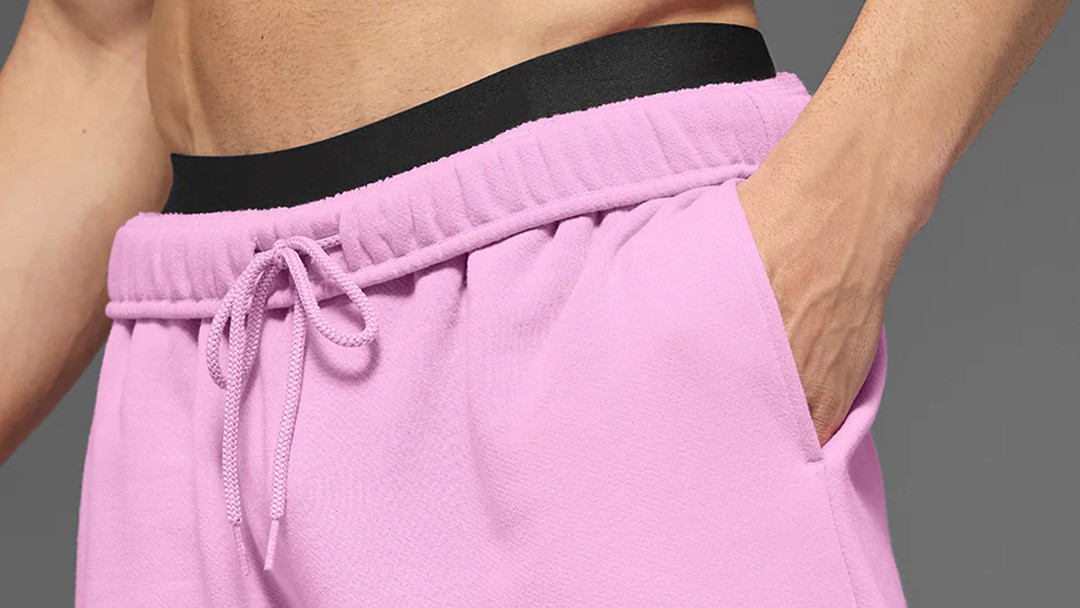
A heavy jogger needs a strong elastic waistband to hold up the fabric weight. If the factory simply feeds a loose elastic band through a fabric tunnel, it will twist, fold in half, and permanently deform inside the casing after the first machine wash.
The Factory Solution: Multi-Needle Stitching
We lock the elastic physically. We use a multi-needle machine to sew 3 or 4 continuous horizontal rows of stitching directly through both the outer fabric and the internal elastic. This secures the band entirely, meaning it can never roll, twist, or shift, regardless of how often it is washed.
3. Drawstring Eyelets: Preventing Tear-Outs
The Common Problem: Ripped Metal Hardware
When an athlete pulls the drawstring tight, the metal or embroidered eyelet takes massive tension. Because fleece and terry fabrics are relatively soft knits, a metal eyelet punched directly into the raw fabric will tear a hole within weeks.
The Factory Solution: Internal Fusible Interfacing
We reinforce the entry point. Before punching the eyelet, our operators iron a small, rigid patch of Fusible Interfacing to the inside of the waistband behind the designated hole location. This gives the metal hardware a solid, non-stretch anchor point, preventing the fabric from ripping under tension.
4. Pocket Anchoring: Stopping the Sag
The Common Problem: Drooping Side Pockets
If a customer puts a heavy smartphone into their sweatpants, the pocket bag often sags below the hem of the shorts or pulls the side seam down awkwardly. This happens when the internal pocket bag is left hanging loose inside the garment.
The Factory Solution: Waistband Anchoring
We engineer the internal structure to handle weight. We extend the top edge of the internal pocket bag all the way up so it gets caught and sewn directly into the waistband seam. This transfers the weight of the phone from the loose side panel directly to the sturdy waistband, eliminating pocket sag completely.
5. Pocket Bag Fabric: Reducing Hip Bulk
The Common Problem: Lumpy Hips
Many factories use the exact same 400 GSM heavy fleece to make the inside of the pockets. This creates three to four layers of thick fleece sitting right on the wearer's hips, adding an inch of unnecessary, unflattering bulk.
The Factory Solution: Lightweight Jersey Pocket Bags
We cut the bulk. We construct the internal pocket bags using a lightweight, durable 160 GSM single jersey cotton. The outside of the pants maintains its heavy, structured look, but the internal hips remain flat and streamlined.
6. Crotch Mobility: The Inseam Gusset
The Common Problem: Restricted Movement
Heavyweight cotton has very low mechanical stretch. If you construct joggers with a standard four-way intersecting crotch seam, the wearer will feel severely restricted when stepping up stairs or squatting, and the seam will eventually rip.
The Factory Solution: Ribbed or Self-Fabric Gussets
We remove the central tension point. We insert a separate fabric panel (a gusset) into the crotch. For athletic joggers, we often cut this gusset from a 1x1 stretch rib-knit matching the body color. This provides lateral stretch exactly where the legs hinge, offering massive mobility without changing the main heavy fabric.
7. Shrinkage Control: Keeping the Length
The Common Problem: Pants Turning into Capris
Heavy cotton fleece has a natural tendency to shrink vertically when exposed to washer and dryer heat. A size Large jogger with a 32-inch inseam can easily shrink to a 29-inch inseam after one wash if the factory ignores shrinkage tolerances.
The Factory Solution: Pre-Shrinking and Pattern Adjustment
We rely on data. We run wash-tests on the raw fabric roll before cutting. If the fabric shows a 5% vertical shrinkage rate, we physically adjust the paper sewing pattern to be 5% longer. We also utilize pre-shrunk tumbling processes at the mill level to ensure the final garment maintains less than a 3% shrinkage variance.
8. Ankle Cuff Recovery
The Common Problem: Dragging Hems
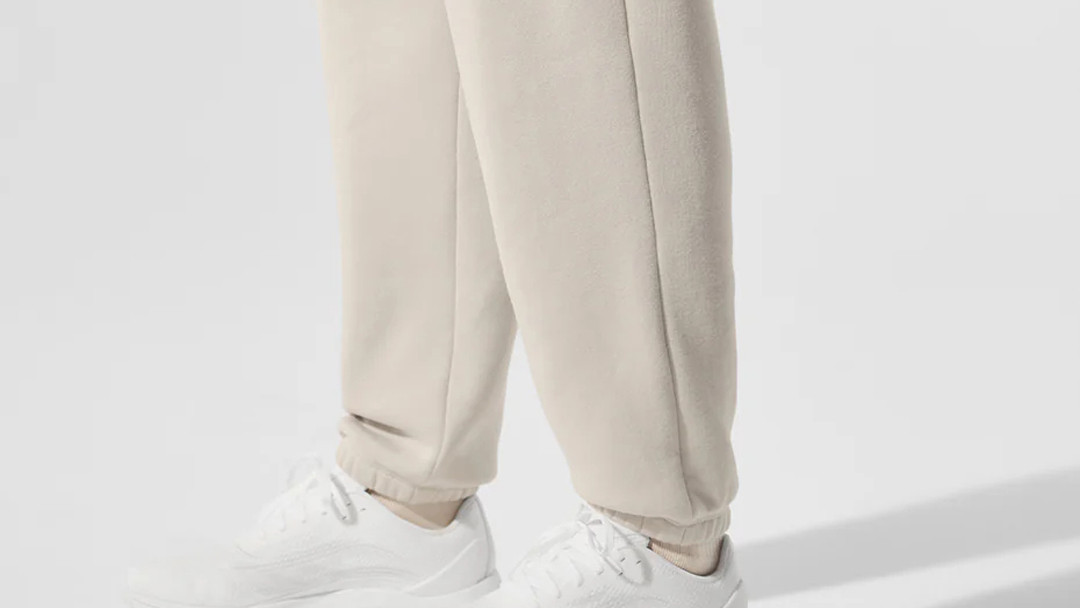
The elastic ribbing at the ankle of a jogger takes constant stretching when the wearer puts their foot through. A cheap rib-knit will lose its elasticity in a month, resulting in wide, loose cuffs that drag on the floor.
The Factory Solution: High-Spandex 2x2 Ribbing
We match the cuff strength to the fabric weight. For heavy joggers, we use a dense 2x2 or 1x1 rib-knit blended with at least 5% spandex for the ankle cuffs. We also calculate the exact opening circumference to ensure it passes the heel smoothly but snaps back tightly against the ankle.
9. Managing Fleece Shedding
The Common Problem: Fuzz on the Legs
For winter sweatpants with a brushed fleece interior, a common complaint is that the inside sheds constantly, leaving clumps of lint on the wearer's socks and legs.
The Factory Solution: Vacuum Shearing
This is a finishing process error. At the fabric mill, after the interior is mechanically brushed to create the fleece texture, we mandate a strict shearing and vacuuming process. This trims the uneven loose fibers and vacuums the excess lint away before the fabric is ever cut, keeping the wearer clean.
10. Seam Bulk at Intersections
The Common Problem: Hard Lumps at the Crotch
When sewing 400 GSM heavy fleece, joining four panels together at the center crotch creates a massive, hard knot of fabric and thread. This lump causes immediate discomfort when the wearer sits down.
The Factory Solution: Seam Grading and Coverstitching
We reduce the profile of heavy seams. Our operators use a technique called "seam grading," cutting the internal seam allowances to different lengths so they don't stack on top of each other. Furthermore, we press the seam flat and run a Coverstitch over the intersection to compress the thick fabric layers completely.
Manufacture Joggers That Keep Their Shape
Stop dealing with baggy knees, ripped drawstrings, and shrinking pant legs. Partner with Call The Style for structurally sound, heavyweight fleece and terry bottoms.
START YOUR PROJECTFrequently Asked Questions (FAQ)
Q: Why do the knees on my sweatpants bag out and stay stretched?
A: Standard 100% cotton lacks elastic recovery. We fix this by blending 3-5% spandex into the terry/fleece, or by specifying a high-twist yarn structure that physically snaps the fabric back into place after bending.
Q: How do you stop heavy phones from pulling the pockets down?
A: We extend the internal pocket bag all the way to the top and sew it directly into the main waistband seam. This anchors the pocket and transfers the weight to the waist, stopping any sagging.
Q: How do you prevent metal eyelets from tearing out of the waistband?
A: Knit fabrics are too soft to hold metal tension. We iron a small patch of rigid fusible interfacing behind the fabric before punching the hole, creating a solid anchor for the hardware.
Q: Why did my joggers shrink two inches in length after washing?
A: Heavy cotton naturally shrinks vertically. We run wash tests before cutting. If the fabric shrinks 5%, we adjust the sewing pattern to be 5% longer initially, keeping the final measurements within spec.