The PFAS Crisis: How to Build a Truly Toxin-Free Activewear Brand
When your customers purchase premium activewear, they are investing in a healthy, active lifestyle. However, the recent news in 2026 regarding top-tier global yoga brands facing class-action probes over "forever chemicals" (PFAS) has shattered consumer trust across the industry.
This is no longer just a headline; it is a turning point for the sportswear business. For independent brand founders, "sustainability" is no longer just a marketing buzzword—it is a strict legal requirement and a baseline for consumer trust. In this comprehensive guide, we will break down what PFAS means for your brand, the challenges you face in sourcing safe alternatives, and how a transparent manufacturing partner can future-proof your business against upcoming regulatory tsunamis.
1. The Core Issue: Why Are Toxic Chemicals in Sportswear?
Let's make the complex science simple. Why do factories use PFAS (Per- and polyfluoroalkyl substances) in the first place, and why are they so ubiquitous in performance apparel?
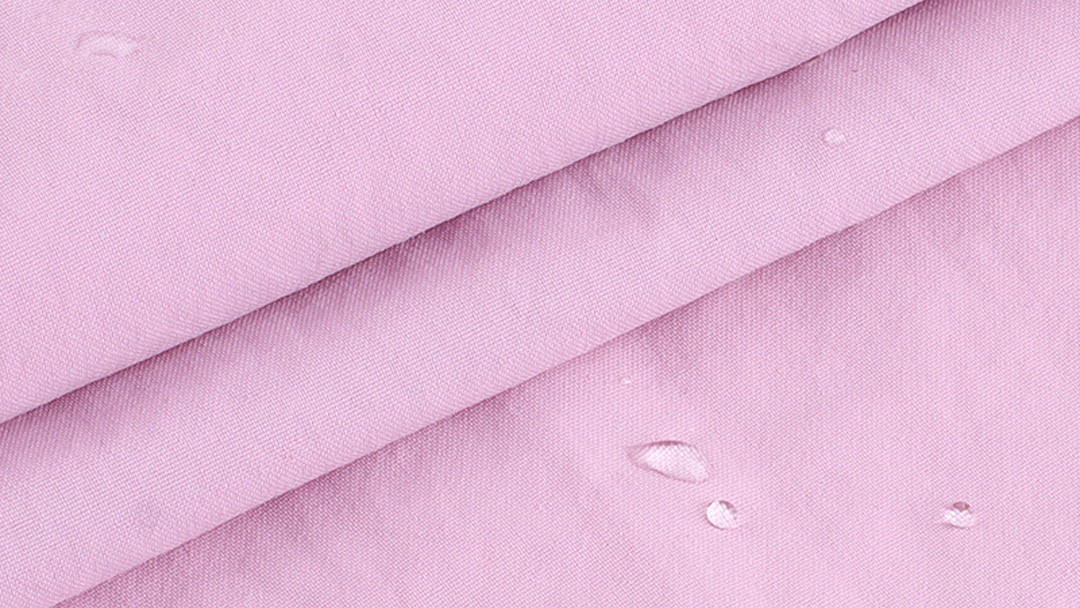
The answer is DWR (Durable Water Repellent). Premium activewear needs to resist sweat stains, repel light rain during outdoor workouts, and maintain a pristine look. Traditionally, the cheapest and easiest way for fabric mills to achieve this hydrophobic "beading effect" was by coating the fabric with fluorocarbons (often categorized as C8 or C6 chemistry). These chemical bonds are incredibly strong, lowering the surface tension of the fabric so that oil and water simply roll off.
The problem? The exact chemical strength that makes them perform so well also makes them practically indestructible in nature—hence the name "forever chemicals." When consumers wear and wash these garments, microscopic toxins are inevitably released into the municipal water supply. Even worse, during high-intensity workouts when pores are open, these chemicals can be absorbed through the skin, leading to severe environmental pollution and documented health risks, including endocrine disruption and immune system issues.
2. The Founder's Dilemma: 3 Major Pain Points in Going "Toxin-Free"
We speak with dozens of activewear founders every week. Most of them want to eliminate PFAS and build a clean, ethical brand, but they are terrified of making the switch. Navigating overseas supply chains is already difficult, and changing fundamental fabric chemistry adds a new layer of complexity. Here are the three massive hurdles B2B buyers face today:
- Pain Point 1: The "Performance Drop" Anxiety.
Founders worry: "If I stop using traditional chemical coatings, will my leggings suddenly show embarrassing sweat marks? Will my windbreakers soak through in the rain?" No brand wants to sacrifice the performance their loyal customers expect. The fear of increased return rates keeps many founders tied to toxic manufacturing. - Pain Point 2: Astronomical MOQs for Eco-Fabrics.
Fabric mills often treat fluorine-free (C0) DWR as a "custom luxury." They demand massive Minimum Order Quantities (often upwards of 3,000+ yards) to specially dye and treat these eco-friendly fabrics. This high barrier to entry effectively locks out small to medium-sized independent brands from accessing clean technology. - Pain Point 3: The Nightmare of Compliance and Testing.
You are a brand builder, not a chemical scientist or an international trade lawyer. Navigating global compliance—such as California's AB 1817 or the EU's REACH framework—paying for third-party lab tests, and ensuring your overseas factory isn't secretly substituting cheap, toxic fabrics to save a few cents is exhausting and incredibly expensive.
3. The Call The Style Solution: Bridging the Gap
This is where your manufacturing partner makes or breaks your brand. At Call The Style, we have engineered our strategic supply chain to solve these exact B2B pain points, making the transition to toxin-free activewear seamless, secure, and highly profitable.
- Solving the Performance Gap with Biomimetic C0 DWR: We use advanced Fluorine-Free C0 DWR Technology. Instead of toxic carbon-fluorine bonds, this eco-friendly polymer treatment mimics the microscopic structure of a lotus leaf. It forces water and sweat to bead up and roll off instantly, while preserving the fabric's microporosity (allowing heat and vapor to escape). You get elite performance, maximum breathability, and zero guilt.
- Solving the MOQ Barrier: Because we process high volumes of premium eco-fabrics for global clients daily, we have removed the massive fabric mill barriers for you. As detailed in our MOQ and Cost Guide, we offer direct access to these elite, toxin-free fabrics with a highly flexible MOQ of just 100 pieces per style/color.
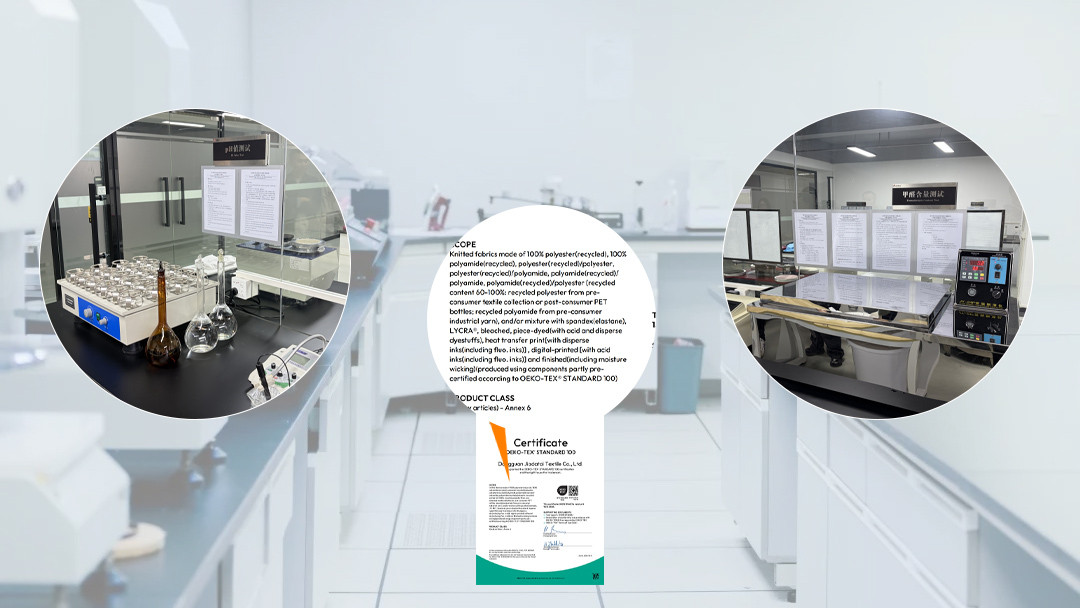
- Solving the Compliance Headache (OEKO-TEX Certified): We provide a pre-certified supply chain. We exclusively source fabrics and dyes that are OEKO-TEX® Standard 100 certified. This means the fabric isn't just free of PFAS; it is rigorously tested for over 100 harmful substances, including Azo dyes, formaldehyde, and heavy metals. We manage the strict RSL (Restricted Substances List) compliance in-house, ensuring your garments can safely pass customs anywhere in the world.
📊 Quick Reference: Traditional vs. Toxin-Free Manufacturing
| Feature | Traditional C8/C6 DWR (PFAS) | Call The Style C0 DWR |
|---|---|---|
| Environmental Impact | Toxic, non-degradable | Eco-friendly, Biodegradable |
| Water Resistance | Repels water & oil | Excellent Sweat & Water resistance |
| Breathability | Often traps body heat | High Microporosity (Maximum Airflow) |
| Global Legal Risk | High (Banned in CA, NY, EU) | 100% Compliant globally |
| Brand MOQ | Often 3,000+ yards required | Flexible 100 Pcs/Style |
4. Building a Brand That Lasts
The sportswear industry is cleaning up its act, and consumers are paying closer attention to fabric origins than ever before. For founders, the impending regulations like California's AB 1817 mean that old inventory containing PFAS will soon become illegal "dead stock."
Choosing a transparent manufacturer isn't just about avoiding a PR disaster or a customs seizure; it is a powerful selling point. Imagine the unwavering confidence of printing "100% Toxin-Free & OEKO-TEX Certified" on your hangtags. If you are ready to upgrade your supply chain without the headaches of massive MOQs or performance issues, we are here to guide you.
Ready to Future-Proof Your Activewear Brand?
Don't let hidden supply chain risks destroy the community you've built. Partner with Call The Style for sustainable, legally compliant, and toxin-free manufacturing.
UPGRADE YOUR SUPPLY CHAIN TODAYFrequently Asked Questions (FAQ)
Q: Why are PFAS used in sportswear?
A: PFAS (forever chemicals) have traditionally been used to create cheap DWR (Durable Water Repellent) coatings, making activewear resistant to sweat and stains. However, due to severe environmental and health risks, they are being aggressively phased out globally.
Q: Will removing PFAS negatively affect the performance of my activewear?
A: Not if you partner with the right manufacturer. Premium factories use Fluorine-Free C0 DWR technology. This safe, eco-friendly treatment mimics the lotus leaf effect, providing elite water and sweat resistance while preserving maximum fabric breathability.
Q: Are PFAS actually banned in clothing?
A: Yes, strict regulations are now a reality. Legislation like California's AB 1817 and the EU's REACH regulations heavily restrict or completely ban the import and sale of textiles containing intentionally added PFAS starting in 2025/2026.
Q: What happens if my current stock contains PFAS?
A: As strict bans take effect, non-compliant inventory may become "dead stock" that cannot be legally sold or distributed in major markets like California and New York. It is crucial to transition your new production runs to toxin-free alternatives immediately.
Q: How can I ensure my activewear supply chain is truly toxin-free?
A: Work with a factory that guarantees strict RSL (Restricted Substances List) compliance and uses OEKO-TEX® Standard 100 certified materials. At Call The Style, we provide full transparency and exclusively use certified, fluorine-free processes for our clients.