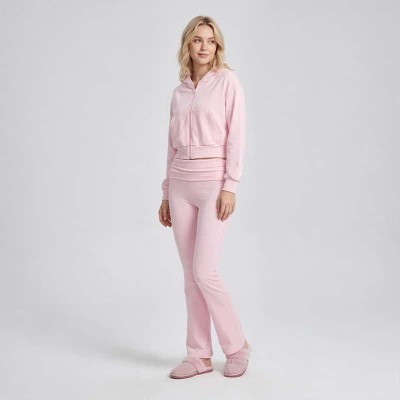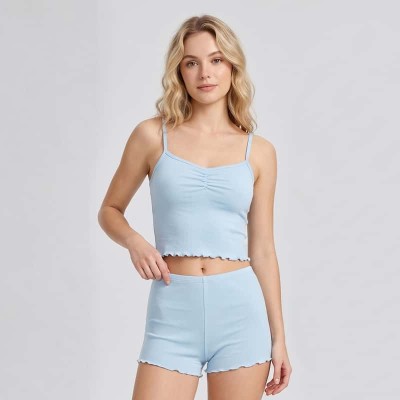
The 40% Return Rate Trap: Why Different Colors of the Same Activewear Fit Differently
In the direct-to-consumer (DTC) activewear space, returns are a silent margin killer. When a customer pays for shipping to return a product that didn't fit right, you lose the sale, you eat the shipping cost, and you often lose that customer forever. Statistics show that inconsistent sizing across different colors of the exact same style is a top trigger for these returns.
Most brand owners assume that if a factory uses the same paper pattern or CAD file for a style, every unit will come out identical. That logic works for rigid materials like wood or plastic. It completely fails when you are dealing with high-stretch elastane blends and pressurized vats of chemical dye.
| The Physical Variable | The Standard Factory Mistake | The Premium Factory Fix |
|---|---|---|
| Dyeing Time & Temperature | Treats a 3-hour light dye and an 8-hour dark dye as identical fabric lots. | Calculates the exact shrinkage percentage differential caused by prolonged heat. |
| Pattern Grading | Uses one universal paper pattern for all fabric rolls. | Executes Color-Specific CAD Adjustments (e.g., grading Black 0.5 inches wider). |
| Fabric Stabilization | Cuts the fabric immediately after it arrives from the dye house to save time. | Runs fabric through a Stenter Frame at 180°C to lock in fiber memory before cutting. |
| Sewing Machine Tension | Keeps machine tension identical regardless of thread color and dye buildup. | Recalibrates tension discs to adjust for the higher friction coefficients of dark threads. |
Table: Mechanical and chemical solutions for color-based sizing variances.
1. The Physics of the Dye Vat: Why Black is Always Tighter
To understand why a black legging fits tighter than a pastel pink one, we have to look inside the fabric mill. Synthetic activewear fabrics—specifically nylon or polyester blended with elastane (spandex)—are colored using High-Temperature, High-Pressure (HTHP) jet dyeing machines.
Light colors, like a soft lavender or baby blue, require very little raw pigment. The fabric sits in the chemical bath at around 100°C for roughly 3 to 4 hours. The fibers absorb the color quickly and are removed with minimal structural alteration.
Dark colors, especially true Black, Navy, or Deep Charcoal, are completely different animals. To force dense, dark dye molecules into the core of synthetic yarns, the fabric must be essentially pressure-cooked. Black fabric routinely sits in a pressurized vat at 130°C (266°F) for 6 to 8 hours.
Elastane is highly sensitive to extreme heat over extended periods. Exposing it to 130°C for 8 hours causes the elastic filaments to violently contract and lose a fraction of their original stretch recovery. The black fabric shrinks significantly more in the mill than the pink fabric did. If your factory treats both rolls of fabric the same way, your sizing is already ruined.
2. The Universal Pattern Trap: Sizing Flattened by Speed
Standard, low-cost factories operate on speed and simplicity. They print out one stack of paper patterns for your Size Medium leggings. They lay out the pink fabric, cut it, and sew it. Then they lay out the black fabric, use that exact same paper pattern, cut it, and sew it.
If you place the finished pink legging flat on top of the finished black legging on a table, the dimensions will look exactly the same to the millimeter. But remember: the black fabric has already been compressed and altered by hours of boiling. Its mechanical stretch capacity is lower. When the customer actually tries to pull that black legging over their hips, it feels a full half-size smaller because the fabric lacks the elasticity to expand comfortably.
3. The Professional Fix: Color-Specific CAD Pattern Compensation
Premium activewear manufacturers don't guess; they measure the shrinkage coefficient of every single dye lot before the cutting blade ever drops. We know that dark colors yield a denser, tighter fabric structure. Therefore, using a universal pattern across a multi-color collection is out of the question.
When the bulk fabric rolls arrive at our facility, we run initial shrinkage math. If the data shows that the Black fabric shrinks 6% while the Pink fabric only shrinks 2%, we return to our CAD software. We physically create a separate, slightly larger cutting pattern specifically for the dark colorway.
We might expand the Black Medium panels by 0.5 inches in width relative to the Pink Medium panels. By intentionally cutting the dark fabric larger, we compensate for its reduced elasticity. When the consumer puts them on, the physical compression and tension against their skin feel completely identical across both colors.
4. Differential Fabric Relaxation Windows
When fabric rolls are shipped from the dye house, they are rolled up tightly under machine tension. Cheap factories pull the fabric straight off the truck and immediately feed it into the cutting machines to keep the production line moving.
Because dark fabrics have been heavily stressed in the dye vat, they hold a high amount of internal physical memory. If cut while under roll tension, the cut pieces will rapidly contract afterward, causing mismatched panels during assembly.
Premium facilities implement Differential Fabric Relaxation. Light pastels are unrolled and laid flat on tables for a standard 24 hours. Dark colors like black and navy are mandated to lay flat for 48 hours. This extended window allows the traumatized elastane fibers to completely decompress, relax, and hit their true physical equilibrium before cutting begins.
5. Stenter Frame Thermal Locking (180°C Heat Setting)
Even with pattern adjustments, the raw fabric needs to be stabilized against post-purchase laundering shrinkage. If fabric skips proper heat-setting, the leggings will shrink dramatically the first time the consumer washes them in warm water.
To eliminate this, the fabric rolls must pass through a Stenter Frame at the finishing mill. The fabric is pulled to its precise engineered width by heavy mechanical pins and blasted with dry heat at 180°C (356°F) for 30 to 45 seconds. This controlled thermal shock resets the molecular memory of the spandex filaments, locking them into their final dimensions so they remain stable through dozens of home wash cycles.
6. Thread Friction Variance: The Dark Thread Tension Secret
Here is a hidden variable that most brands—and low-tier factories—completely overlook: the sewing thread itself. Black and deep navy sewing threads carry a massive load of dye pigment and residual lubricants compared to white or pastel threads.
When black thread passes through the metal tension discs of a 4-needle 6-thread flatlock machine, it creates a significantly higher friction coefficient than a light-colored thread. If the operator doesn't manually adjust the machine, the tension discs will grip the black thread tighter.
This means even if the fabric panels are identical, the actual flatlock seams on the black garment will be sewn tighter and have less stretch than the seams on the pink garment. Professional factories require technicians to physically recalibrate tension discs using thread tension gauges every time the assembly line switches thread colors.
7. The In-House AATCC 135 Laundering Benchmark
A professional factory never relies on guesswork; we back our engineering with empirical lab data. Before authorization is given to cut thousands of yards of expensive bulk fabric, we run a pre-production washing trial.
We cut a precise 50cm x 50cm square from every single incoming color lot. We mark reference lines using textile markers and put the swatches through three consecutive industrial wash and dry cycles following the AATCC 135 standard (Dimensional Changes of Fabrics after Home Laundering).
We measure the precise vertical and horizontal contraction. If the black lot shows a 4.5% shrinkage while our pattern was set for 3%, we halt production and re-grade the CAD file. Bulk production only proceeds when the wash-test shrinkage data perfectly aligns with our cutting dimensions.
8. GSM Weight Shift Post-Dyeing: Balancing the Density
When fabric sits in a dye vat for 8 hours absorbing heavy dark pigments, it physically gains weight. A roll of grey-state greige fabric knitted at 250 GSM (Grams per Square Meter) can easily shift to 265 GSM after a heavy black dye process due to pigment buildup.
Conversely, that exact same greige roll will only weigh around 252 GSM after a light pastel dye process. This means your black leggings are physically thicker and denser than your pink ones, creating a higher level of muscular compression.
Experienced manufacturers factor this weight shift into the fit-testing process. We adjust the fabric knitting specifications at the greige state, slightly leaning out the weave for dark lots so that the final, post-dyed bulk fabric hits the exact same GSM and compression profile across all colorways.
Stop Paying for Your Factory's Sizing Errors
Inconsistent sizing across colorways isn't an acceptable industry quirk; it is a symptom of poor supply chain engineering. If your current supplier uses a single universal pattern for pastels and true black, your profit margins are paying the price. Partner with Call The Style for data-driven, color-specific production.
FIX YOUR SIZING DISCREPANCIESFrequently Asked Questions
Q: Why do dark activewear garments always feel tighter than lighter ones?
A: Dark dye lots spend up to twice as long in pressurized dye vats at higher temperatures (130°C). This extended heat exposure causes the elastane fibers to contract heavily, reducing the material's mechanical stretch and making the final garment feel tighter.
Q: How does a professional manufacturer ensure sizing consistency across colors?
A: We do not use a universal paper cutting pattern. We test the shrinkage of each individual color lot and apply color-specific CAD adjustments, intentionally cutting dark panels slightly larger to offset the lost fabric elasticity.
Q: Can sewing thread color actually affect garment fit?
A: Yes. Darker threads carry more pigment buildup, which creates higher physical friction when feeding through machine tension discs. Technicians must use thread tension gauges to recalibrate sewing machines for dark thread runs to prevent tight, unyielding seams.
Q: What is fabric heat-setting and why is it mandatory?
A: Fabric heat-setting is a process where the dyed material is run through a Stenter frame at 180°C. This locks the molecular memory of the spandex, permanently stabilizing the dimensions so the product will not warp or shrink after consumer home laundering.