Sustainable Yoga Wear Manufacturing Explained: From Eco-Fabrics to Ethical Factories
As a committed advocate for conscious living, I understand the growing desire for products that align with our values, especially when it comes to something as personal as our activewear. Today, I want to pull back the curtain on how we responsibly create yoga wear. My journey into sustainable yoga wear manufacturing hasn't been a straight path, but it's one driven by a deep understanding of our impact on the planet and the people who make our clothes. I've seen firsthand the evolution of eco-friendly practices and the importance of ethical considerations.
Today, I'm excited to share insights into how we approach creating yoga wear that is not only high-performing and comfortable but also truly kind to the Earth and its inhabitants. We achieve this by blending cutting-edge eco-fabrics with rigorously ethical factory practices, ensuring every piece you wear is a testament to conscious consumerism.
Key Takeaways
This article delves deep into the world of sustainable yoga wear manufacturing, offering a transparent look at what it takes to create apparel that honors both people and the planet. Here are the essential points you'll discover:
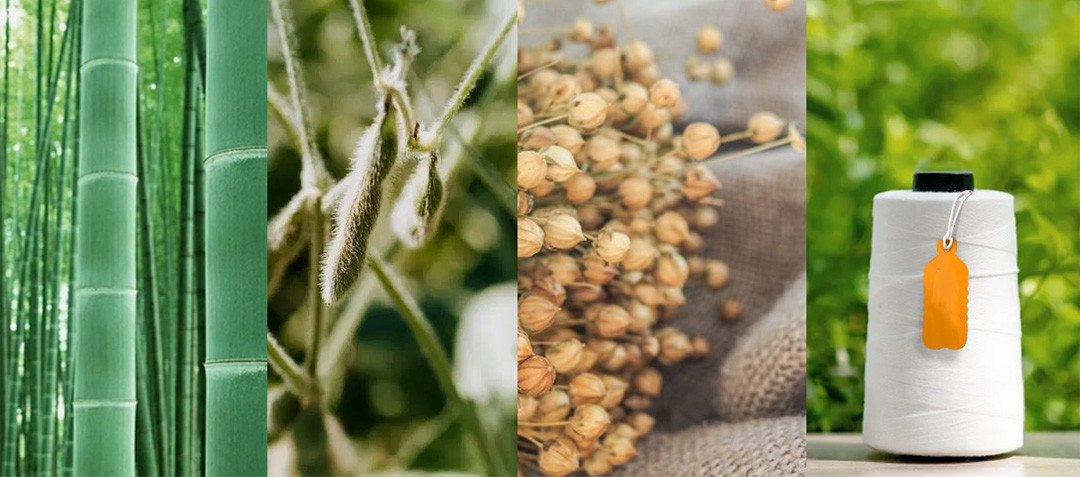
- The Power of Eco-Fabrics: The foundation of sustainable yoga wear lies in its materials. We'll explore why bamboo viscose is a premier choice due to its breathability, softness, and moisture-wicking capabilities. We also examine other vital materials like organic cotton, recycled polyester, and innovative bio-based fibers, discussing how we balance top-tier performance with a minimal environmental footprint.
- Ethical Manufacturing is Non-Negotiable: True sustainability extends beyond environmental concerns to encompass human well-being. We'll break down the pillars of our ethical supply chain, including fair wages, safe working conditions, and unwavering respect for workers' rights. You'll learn the crucial difference between "ethical" (people-focused) and "sustainable" (planet-focused) and why both are indispensable.
- Accountability Through Certification: Claiming to be ethical isn't enough; it requires verification. We'll explain the role of internationally recognized certifications like OEKO-TEX®, SA8000®, and amfori BSCI in holding us and our partners accountable. These standards ensure that our products are free from harmful substances and produced in socially responsible environments.
- A Holistic Production Process: Sustainability is integrated into every stage of our manufacturing journey. From strategic resource management that minimizes water and energy consumption to adopting cleaner dyeing techniques and reducing waste, we are committed to lowering our environmental impact from design to delivery.
- The True Value of Sustainable Wear: While sustainable yoga wear may have a higher initial cost, its long-term value is immense. This cost reflects ethical labor practices and premium, durable eco-materials. The result is high-quality apparel that lasts longer, reduces your environmental footprint, and builds a relationship of trust between you and the brand.
- Partnerships for Progress: Creating a greener future is a collaborative effort. Choosing the right manufacturing partners—those with experience, a commitment to innovation, and vertically integrated systems—is key to ensuring traceability and quality. We'll discuss how we work with our suppliers to drive continuous improvement and foster a more transparent global fashion industry.
The Foundation of Sustainable Yoga Wear Manufacturing: Our Eco-Fabric Choices
The journey to creating truly sustainable yoga wear begins with the very threads it's made from. For us, selecting a fabric is the most critical decision in the manufacturing process. It's a choice that dictates performance, comfort, and, most importantly, the product's environmental and ethical footprint. We are committed to using materials that not only feel incredible and support your practice but also reflect a deep respect for our planet. This commitment has led us to champion certain textiles while continuously exploring new, innovative solutions that push the boundaries of what sustainable activewear can be.
Embracing Bamboo Viscose: A Breathable, Moisture-Wicking, and Gentle Eco-Fabric for Premium Yoga Wear
Our primary choice for many of our core collections is bamboo viscose. This remarkable material has earned its place as a cornerstone of our brand for its unique combination of luxurious feel, high-performance characteristics, and significant environmental advantages over conventional fabrics. It’s a choice that reflects our holistic approach to sustainability, where the wearer's experience and the planet's well-being are given equal weight.
Why Bamboo Stands Out for Activewear Performance and Comfort
When you're in the middle of a challenging flow or a deep meditative state, the last thing you want is to be distracted by your clothing. This is where bamboo truly shines.
-
Exceptional Moisture-Wicking: Bamboo fabric is renowned for its ability to pull moisture away from the skin, absorbing it and allowing it to evaporate quickly. This keeps you drier and more comfortable, even during intense hot yoga sessions where sweating is common. In fact, bamboo can absorb up to three times its weight in water and wicks moisture away from the body three to four times faster than cotton.
-
Unparalleled Softness and Flexibility: The natural fibers of bamboo are smooth and round, resulting in a fabric that feels silky and exceptionally soft against the skin. This buttery texture reduces friction and prevents chafing, making it ideal for those with sensitive skin. When blended with a small amount of elastane, bamboo fabric offers an impressive four-way stretch that moves with your body, providing total freedom of movement without restriction.
-
Breathability and Temperature Regulation: The microstructure of bamboo fibers contains micro-gaps, which creates natural breathability and allows for better air circulation. This helps to dissipate heat during vigorous practice. Bamboo fabric is also thermo-regulating, meaning it helps you stay cooler when it's warm and provides a layer of warmth in cooler conditions, making it a versatile, year-round choice.
-
Natural Odor Resistance: Bamboo contains a natural bio-agent sometimes referred to as "bamboo kun," which has antimicrobial and antifungal properties. This allows the fabric to naturally resist the growth of odor-causing bacteria, keeping your yoga wear fresher for longer and reducing the need for frequent washing.
-
Durability and Easy Care: Despite its soft, luxurious feel, bamboo fabric is surprisingly durable. Its fibers are strong and resilient, making them less prone to tearing or pilling compared to other natural fabrics. Well-made bamboo garments can last significantly longer than their cotton counterparts. They also hold dye better, resulting in more vibrant, lasting colors.

My Personal Journey and the Environmental Advantages of Bamboo
My fascination with bamboo began not just with the fabric, but with the plant itself. Bamboo is a true marvel of nature and a powerful symbol of sustainability. When considering its entire lifecycle, the advantages become clear.
The Plant's Inherent Sustainability: The journey of our yoga wear starts in responsibly managed bamboo forests. The plant itself is a champion of eco-friendliness for several key reasons:
- Rapid Growth and Renewability: Bamboo is one of the fastest-growing plants on Earth, with some species growing up to three feet in a single day. It is a highly renewable resource that can be harvested in just a few years, compared to decades for hardwood trees. After harvesting, it regenerates from its own root system and doesn't need to be replanted, which reduces soil disturbance.
- Low Water and Input Needs: Unlike water-intensive crops like conventional cotton, which can require up to 10,000 liters of water per kilogram of fiber, bamboo thrives on natural rainfall with minimal need for irrigation. It also grows vigorously without the need for chemical fertilizers or pesticides.
- Carbon Sequestration & Soil Health: Bamboo forests are highly effective carbon sinks, absorbing significantly more carbon dioxide from the atmosphere than many other trees. Its extensive root system also plays a crucial role in preventing soil erosion and improving soil health.
The Manufacturing Process: A Commitment to Responsibility: It's crucial to acknowledge that turning the woody bamboo stalk into a silky-soft fabric is a complex process. Though derived from a natural plant, bamboo viscose is a "regenerated cellulosic fiber," meaning it requires chemical processing. This is where our responsibility as a manufacturer comes into sharp focus.
The conventional viscose process can be harmful if not managed correctly, as it uses chemicals like sodium hydroxide and carbon disulfide. However, a truly sustainable approach is possible through modern, responsible manufacturing. We are committed to partnering with facilities that utilize a closed-loop system. This technology is a game-changer for sustainability. In a closed-loop process, up to 99% of the water and non-toxic solvents used are captured, recycled, and reused continuously. This drastically minimizes waste, prevents chemicals from entering the environment, and reduces the overall water and energy footprint of the production process.
By choosing partners who invest in these advanced, cleaner technologies, we ensure that the fabric’s production lives up to the sustainable promise of the bamboo plant itself. This conscious choice may lead to a higher cost, but it's a price we believe is essential for protecting our planet's ecosystems and the health of factory workers.
Beyond Bamboo: Exploring a Diverse Range of Sustainable Materials for a Truly Conscious Yoga Wear Manufacturer
While bamboo viscose is a cornerstone of our collection, we recognize that a truly holistic approach to sustainability involves a diverse palette of materials. Different activities, performance needs, and design goals call for different solutions. As a forward-thinking yoga wear manufacturer, our commitment to innovation drives us to constantly research, test, and integrate other leading eco-friendly fabrics. This ensures we can offer a broad range of apparel that meets the highest standards of both performance and planetary stewardship. Our goal is to create a comprehensive sustainable wardrobe for the conscious practitioner.
Organic Cotton, Recycled Polyester, and Innovative Bio-Based Fibers
Our material library extends to several other key eco-innovations, each chosen for its unique properties and environmental benefits.
-
Organic Cotton: For pieces where a soft, natural, and classic feel is desired, we turn to organic cotton. Unlike conventional cotton, which is one of the most water- and pesticide-intensive crops in the world, organic cotton is grown without synthetic pesticides, herbicides, or fertilizers. This protects farmers' health, preserves soil quality, and prevents harmful chemical runoff into waterways. Studies have shown that organic cotton can reduce water consumption by as much as 91% compared to its conventional counterpart, primarily because it's often rain-fed and grown in healthier soil that retains moisture better. While still a water-intensive crop compared to options like hemp, choosing organic significantly lowers the overall environmental footprint and results in a fabric that is pure, soft, and hypoallergenic.
-
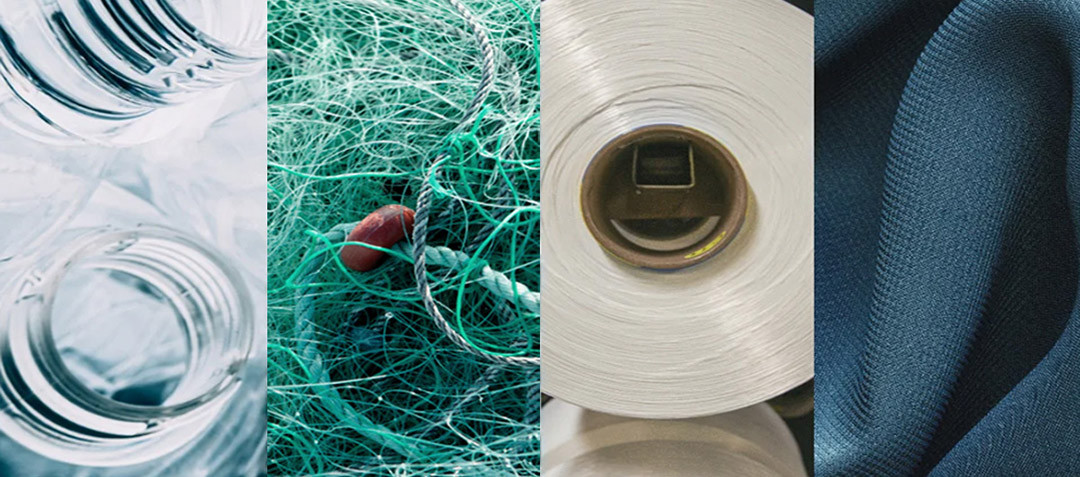
Recycled Polyester (rPET): Many high-performance activewear pieces require the durability, stretch, and quick-drying properties of polyester. Instead of creating this material from virgin petroleum, we use recycled polyester, often abbreviated as rPET. This innovative fabric is made by collecting, cleaning, and reprocessing post-consumer plastic waste, like single-use bottles. This process gives a second life to plastics that would otherwise pollute our landfills and oceans, reduces our dependence on fossil fuels, and requires up to 50% less energy than producing virgin polyester. While delivering the high-performance attributes needed for intense workouts, rPET is a powerful example of circularity in action.
-
Innovative Bio-Based Fibers (e.g., TENCEL™ Lyocell): The future of sustainable textiles is exciting, and we are at the forefront of incorporating next-generation materials derived from renewable biological sources ("bio-based fibers"). A prime example is TENCEL™ Lyocell. Like bamboo viscose, TENCEL™ is a regenerated cellulosic fiber, but it is derived from the wood pulp of sustainably managed eucalyptus trees. Its production process is celebrated for its award-winning closed-loop system, which recycles over 99% of the non-toxic solvent and water used, creating a near-zero waste process. The resulting fabric is exceptionally soft, highly breathable, and even more absorbent than cotton, making it perfect for yoga and other active pursuits. Beyond TENCEL™, we are exploring other bio-based synthetics made from renewable resources like corn starch, sugarcane, and even algae, which reduce the carbon footprint compared to traditional petroleum-based fibers.
Here is a comparison of these key sustainable fabrics:
| Fabric | Primary Source | Key Performance Benefits | Key Sustainability Benefits |
|---|---|---|---|
| Bamboo Viscose | Bamboo Plant | Silky soft, highly breathable, moisture-wicking, odor-resistant, thermo-regulating. | Fast-growing renewable resource, requires little water or pesticides to grow. Best when made in a closed-loop process. |
| Organic Cotton | Cotton Plant | Soft, breathable, hypoallergenic, strong. | Grown without synthetic pesticides/fertilizers, uses significantly less water than conventional cotton, improves soil health. |
| Recycled Polyester | Post-Consumer Plastic | Durable, quick-drying, wrinkle-resistant, excellent shape retention. | Diverts plastic waste from landfills/oceans, uses ~50% less energy than virgin polyester, reduces fossil fuel dependency. |
| TENCEL™ Lyocell | Eucalyptus Trees | Exceptionally soft, superior moisture absorption, breathable, gentle on skin, biodegradable. | Sourced from sustainable forests, produced in an award-winning closed-loop system recycling >99% of solvents/water. |
Balancing Performance Needs with Planet-Friendly Solutions
Creating the perfect piece of yoga wear is a delicate balancing act. As a manufacturer, we are constantly navigating the trade-offs between high-performance functionality and absolute sustainability. While natural and bio-based fibers offer incredible comfort and eco-credentials, synthetic materials like polyester and elastane have historically dominated activewear for their unmatched durability, stretch, and shape retention. Our mission is to bridge this gap, proving that you don't have to sacrifice one for the other.
One of the main challenges is that natural fibers, while breathable, can sometimes absorb and retain moisture more than their synthetic counterparts, potentially feeling heavy during intense, sweaty workouts. Conversely, synthetics like polyester excel at wicking moisture but come with their own significant environmental concerns. The production of virgin polyester is petroleum-based, energy-intensive, and non-biodegradable.
This is why our strategy focuses on intelligent solutions:
- Strategic Blending: We often create hybrid fabrics that blend the best of both worlds. For example, combining the softness and breathability of TENCEL™ or organic cotton with the durability and stretch of recycled polyester and elastane creates a fabric that performs beautifully while significantly lowering its environmental impact. This allows us to tailor fabrics for specific uses—prioritizing natural fibers for low-impact activities and incorporating high-performance recycled blends for more demanding workouts.
- Prioritizing Recycled Synthetics: When synthetic performance is non-negotiable, we exclusively use recycled versions. This is a crucial distinction. While using recycled polyester (rPET) doesn't solve every problem, it significantly reduces energy consumption, diverts plastic from landfills, and lessens our reliance on fossil fuels.
- Addressing the Microplastics Challenge: We are acutely aware of the issue of microplastic shedding from synthetic fabrics, including recycled ones. Research indicates that every wash cycle can release hundreds of thousands of tiny plastic fibers into our waterways. While there is no perfect solution yet, we are taking steps to mitigate this. We prioritize working with mills that engineer higher-quality, more tightly woven recycled yarns, which have been shown to shed less than lower-quality alternatives. We also educate our customers on best practices for care, such as washing garments less frequently, using cold water, and utilizing microfiber-catching laundry bags or filters to help trap fibers.
Ultimately, our goal is to make conscious choices at every step. We don't believe in greenwashing or simple solutions. Instead, we embrace the complexity and commit to continuous improvement, seeking out the most advanced, responsible materials that allow us to provide you with durable, high-performing yoga wear that truly aligns with a sustainable ethos.
Building an Ethical Supply Chain: Our Standards as a Responsible Yoga Wear Manufacturer
Beyond the fabrics we choose, the heart and soul of our brand lie in the people who bring our designs to life. For a manufacturer to be truly sustainable, its commitment must extend deep into its supply chain, ensuring that every person involved in production is treated with fairness, dignity, and respect. An "ethical" label isn't just a marketing term for us; it is the fundamental standard by which we operate. We believe that the well-being of garment workers is just as important as the environmental impact of our products. This philosophy shapes every partnership we forge and every factory we work with.
Fairness, Dignity, and Transparency: The Human Core of Ethical Production Practices
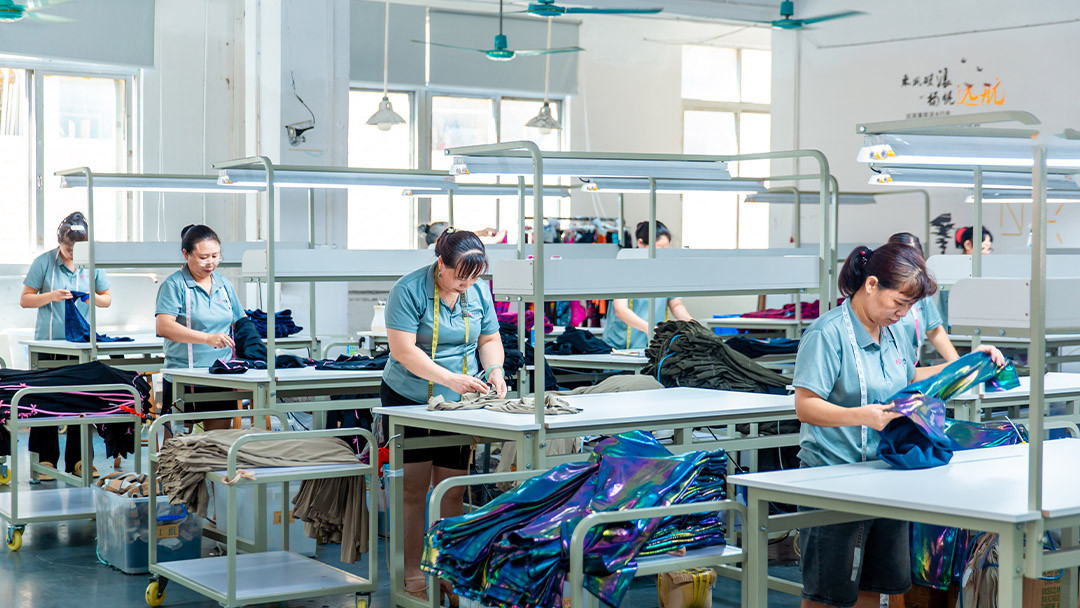
Ethical production begins with a simple, powerful idea: every person has the right to a safe workplace, fair compensation, and respectful treatment. In the global garment industry, where exploitation has historically been rampant, upholding these principles is not just an option—it's a moral imperative. For us, this means going beyond minimum legal requirements to foster environments where workers can thrive.
Ensuring Fair Treatment, Working Conditions, and Compensation
Our commitment to the human core of our business is built on three foundational pillars:
-
Fair Compensation and Living Wages: The fashion industry is notorious for low wages. It is estimated that as little as 2% of the world's 60 million garment workers earn a living wage. A living wage is not the same as a legal minimum wage; it's the amount required to cover a family's basic needs—including food, housing, healthcare, and education—and have a small amount of discretionary income. We believe that paying a living wage is one of the most critical steps toward breaking cycles of poverty. We partner with factories that are committed to this principle, ensuring workers are compensated fairly for their skill and labor, rather than being pushed to the brink by a 'race to the bottom' on pricing. While achieving this across a complex global supply chain is a continuous journey, it is our north star.
-
Safe and Healthy Working Conditions: The tragic history of the garment industry, marked by disasters like the Rana Plaza factory collapse, serves as a constant reminder of the importance of workplace safety. Our standards are uncompromising in this area. We demand that our partner factories provide environments free from hazards. This includes ensuring structurally sound buildings, proper ventilation to protect workers from fabric dust and chemical fumes, accessible fire exits, and functional safety equipment. We also enforce reasonable working hours and mandated breaks to prevent exhaustion and protect the physical and mental well-being of every worker.
-
Respect, Dignity, and Freedom of Association: Ethical treatment goes beyond physical safety. It's about fostering a culture of respect. The global garment workforce is predominantly female (around 60-80%), and these workers are often disproportionately affected by discrimination, harassment, and abuse. We have a zero-tolerance policy for any form of forced labor, child labor, discrimination, or harassment. Furthermore, we staunchly support workers' rights to freedom of association and collective bargaining. This means workers must be free to join or form trade unions to negotiate their working conditions without fear of reprisal. Unions provide a vital platform for workers to voice their concerns and collectively advocate for their rights.
The Crucial Distinction Between Ethical (People) and Sustainable (Planet)
In the world of conscious consumerism, the terms "ethical" and "sustainable" are often used interchangeably. However, they address two distinct, though deeply interconnected, aspects of responsible manufacturing. Understanding this difference is key to appreciating a truly holistic approach.
-
Ethical Fashion: A Focus on People: At its core, ethical fashion is human-centered. It deals with the social impact and human rights issues within the supply chain. The primary questions of ethical fashion are: Are the people who make these clothes treated fairly? Are they paid a living wage? Are they working in safe conditions, free from abuse and discrimination? Ethical considerations cover everything from the farmer growing the raw materials to the garment worker stitching the final seam.
-
Sustainable Fashion: A Focus on the Planet: Sustainable fashion, on the other hand, is primarily concerned with environmental impact. It seeks to minimize the harm done to the planet throughout a garment's entire lifecycle. The primary questions of sustainable fashion are: What resources (water, energy, land) were used to create this? Does the process create pollution or waste? Is the material biodegradable or recyclable? Sustainability focuses on preserving natural ecosystems and ensuring that our consumption doesn't deplete the planet's finite resources.
Can a Brand Be One Without the Other?
Unfortunately, yes. A brand can be sustainable but not ethical, and vice versa.
- Sustainable but Unethical: Imagine a brand that uses 100% organic cotton (a sustainable choice) and ships its products in biodegradable packaging. However, the garments are sewn in a factory where workers are underpaid and endure unsafe conditions. This brand is prioritizing the planet but failing its people.
- Ethical but Unsustainable: Conversely, a brand could work with a Fair Trade certified factory that guarantees excellent wages and working conditions for its employees (an ethical choice). But if those workers are sewing garments made from virgin polyester dyed with toxic chemicals, the brand is prioritizing people at the expense of the planet.
For us, this is not an either-or proposition. True responsibility demands that we address both. You cannot claim to be a conscious brand if you use eco-friendly materials made by exploited workers, nor can you be one if you treat workers well only to produce items that pollute our Earth. The two are inextricably linked. Environmental degradation often disproportionately harms the same vulnerable communities where garment workers live. Therefore, a truly conscious manufacturer must hold both people and the planet in equal regard, weaving both ethical and sustainable practices into the very fabric of its business model.
Accountability in Action: Comprehensive Certifications and Continuous Improvement for a Trusted Yoga Wear Manufacturer
Making claims about ethical and sustainable practices is easy; proving them is what builds trust and drives real change. As a responsible manufacturer, we believe that accountability is not optional. It requires rigorous, third-party verification to ensure that our high standards are being met throughout our complex supply chain. This is why we rely on a framework of internationally recognized certifications and a commitment to continuous, transparent improvement. These systems provide objective validation of our practices, giving you—and us—the confidence that our yoga wear is created in a way that truly honors both people and the planet.
Leveraging Certifications like OEKO-TEX, SA 8000, and BSCI Audits
To ensure our principles are put into practice, we rely on a trio of globally respected, independent standards that audit different aspects of our supply chain.
-
OEKO-TEX® STANDARD 100: This certification focuses on product safety, specifically what the final garment is made of. When you see the OEKO-TEX® STANDARD 100 label on our yoga wear, it means every single component—from the fabric and thread to the buttons and labels—has been tested for a long list of harmful substances. The testing criteria are uniform worldwide and often go beyond national and international legal requirements. This certification provides tangible proof that the apparel you wear against your skin is safe, non-toxic, and free from chemicals that could be harmful to your health.
-
SA8000® Standard: While OEKO-TEX® focuses on the product, SA8000® is a leading social certification standard that focuses on the people and the factory. It provides a comprehensive framework for ethical workplace management. A factory with an SA8000 certification is audited against nine core elements based on the principles of the International Labour Organization (ILO). These include strict prohibitions on child labor and forced labor, requirements for a safe and healthy workplace, the right to form unions and bargain collectively, fair working hours, and, critically, remuneration that meets living wage standards. Choosing to partner with SA8000 certified factories is one of the most powerful ways we ensure our commitment to human rights is upheld.
-
amfori BSCI (Business Social Compliance Initiative): The BSCI is not a certification itself, but an industry-driven initiative that provides companies with a specific methodology for monitoring and improving social compliance in their supply chains. A BSCI audit assesses a factory's performance across 13 key areas, including fair remuneration, decent working hours, and occupational health and safety. The system uses a grading scale (from A to E) to score the factory's compliance and create a clear action plan for improvement. We use BSCI audits to gain a transparent view of our partners' operations and work collaboratively with them to address any non-conformities. It is a powerful tool for driving continuous improvement and ensuring our ethical standards are actively being implemented and enhanced over time.
This combination of product-focused (OEKO-TEX®), people-focused (SA8000®), and process-improvement-focused (BSCI) systems creates a robust framework for accountability.
Our Commitment to Transparency and Driving Factory Progress
Accountability doesn’t end with a certificate. Our commitment is an ongoing process of partnership, transparency, and a relentless drive for improvement.
We understand that no factory is perfect, and audits only provide a snapshot in time. The real work happens in the day-to-day collaboration with our manufacturing partners. We build long-term relationships with factories that share our values and are willing to invest in progress. When an audit reveals areas for improvement, we don't just walk away. Instead, we work hand-in-hand with factory management to develop and implement corrective action plans. This could involve investing in new safety equipment, providing additional training for workers and managers, or reworking compensation structures.
Furthermore, we believe in being transparent with you, our community. We are open about our supply chain, the factories we partner with, and the certifications they hold. We see it as our responsibility to not only produce ethical and sustainable yoga wear but also to help educate and empower consumers. By sharing our journey—including the challenges—we aim to foster a deeper understanding of what it takes to create a truly responsible product. This transparency is the final piece of the accountability puzzle, building a foundation of trust that is just as durable as the apparel we create.
The Sustainable Production Journey: A Holistic Approach for Any Forward-Thinking Yoga Wear Manufacturer
True sustainability is not a single action or a final destination; it's a comprehensive philosophy woven into every stage of the production journey. For a forward-thinking yoga wear manufacturer, this means looking beyond just eco-friendly fabrics and ethical labor. It requires a holistic examination of our entire operational footprint, from the initial design concept to the moment a finished garment is delivered to your door. This involves a relentless focus on minimizing our environmental impact through smart resource management, innovative technologies, and a clear-eyed understanding of the true cost—and long-term value—of producing apparel responsibly.
Operational Excellence: Minimizing Environmental Impact from Design to Delivery
Achieving operational excellence in sustainable manufacturing is about embedding environmental consciousness into every single step of our process. It's a commitment to scrutinizing our methods and constantly asking: "How can we do this better, with less impact?" This philosophy guides our actions from the initial design sketches all the way to the final packaged product.
Strategic Resource Management, Waste Reduction, and Pollution Prevention
Our strategy for minimizing our environmental footprint is built on three interconnected pillars:
-
Strategic Resource Management: The textile industry is notoriously resource-intensive, particularly when it comes to water and energy. We tackle this head-on by implementing rigorous resource management systems. This includes:
- Water Conservation: Partnering with facilities that have invested in advanced water recycling technologies. These closed-loop systems can significantly reduce water consumption during dyeing and finishing processes.
- Energy Efficiency: Utilizing modern, energy-efficient machinery and investing in renewable energy sources like solar power where possible. This not only reduces our carbon footprint but also lowers operational costs, contributing to a more resilient business model.
-
Radical Waste Reduction: Waste in the fashion industry occurs at multiple stages, from fabric offcuts to unsold inventory. The Environmental Protection Agency notes that of the 17 million tons of textiles generated in the U.S. in 2018, only 15% were recycled. We combat this through a 'zero-waste' or 'minimum-waste' mindset.
- Efficient Design and Cutting: Our design process begins with waste reduction in mind. We use advanced pattern-making and nesting software to maximize fabric utilization, carefully planning how pattern pieces are laid out on a roll of fabric to minimize scraps.
- Upcycling and Recycling: Any unavoidable fabric offcuts are not discarded. Instead, they are collected and given a new life. Small pieces can be repurposed into accessories like headbands or scrunchies, while larger scraps can be used for sample development or donated to textile recycling programs. This turns potential waste into a valuable resource, embodying the principles of a circular economy.
-
Comprehensive Pollution Prevention: The manufacturing of textiles can be a major source of pollution, from chemical-laden wastewater to greenhouse gas emissions. Preventing this pollution is a top priority.
- Wastewater Treatment: All our partner facilities must have state-of-the-art effluent treatment plants (ETPs). This ensures that any water used in the production process is thoroughly treated to remove harmful chemicals and dyes before it is discharged, protecting local waterways and ecosystems.
- Chemical Management: We strictly adhere to guidelines from certifications like OEKO-TEX®, which prohibit the use of a long list of hazardous chemicals. This not only results in a safer final product for you but also protects factory workers and the environment from exposure to toxic substances.
By integrating these strategies into our daily operations, we move beyond simply making "eco-friendly products" and instead foster a culture of profound environmental stewardship throughout our entire production journey.
Embracing Cleaner Dyeing Processes and Energy-Efficient Manufacturing
Two of the most resource-intensive stages in apparel production are dyeing and general energy consumption. Consciously addressing these areas is critical for any manufacturer committed to sustainability. We've made it a core part of our mission to innovate in these specific domains.
1. Cleaner, Low-Impact Dyeing: The conventional dyeing process is one of the fashion industry's largest sources of water pollution, responsible for about 20% of global industrial water pollution. It traditionally uses massive amounts of water, energy, and a cocktail of synthetic chemicals, many of which are toxic. To combat this, we have adopted several cleaner, more sustainable dyeing techniques:
- Low-Impact Dyes: We primarily use low-impact and azo-free dyes. These dyes have a higher absorption rate, meaning more of the dye bonds to the fabric and less of it rinses off into the wastewater. Certified under standards like OEKO-TEX® and GOTS, they are free from heavy metals and other toxic chemicals, which makes them safer for workers, the environment, and your skin.
- Natural and Plant-Based Dyes: We are increasingly exploring the world of natural dyes derived from renewable sources like plants, leaves, roots, and even food waste. While scaling natural dyes presents challenges in color consistency and fastness, innovations are rapidly closing the performance gap. Partnering with specialized artisans allows us to create unique, beautiful colorations with a minimal environmental footprint.
- Waterless & Low-Water Technologies: The future of dyeing is waterless. We actively seek out and partner with facilities that are pioneering groundbreaking technologies like:
- Supercritical CO2 Dyeing: This revolutionary process uses carbon dioxide under high pressure as the dyeing medium instead of water. The CO2 can be recycled and reused, creating a completely water-free and effluent-free system, primarily for synthetic fabrics like polyester.
- Air Dyeing: This technology uses air to transfer dye to fabric, saving up to 95% of the water and 85% of the energy compared to conventional methods.
- Digital Pigment Printing: Instead of immersing fabric in dye baths, this method prints color directly onto the fabric's surface, using up to 90% less water and significantly reducing ink waste.
2. Energy-Efficient Manufacturing: From lighting and ventilation to the operation of cutting and sewing machinery, a garment factory's energy consumption can be immense. We work to minimize this by:
- Upgrading to Efficient Machinery: We encourage and prioritize partners who invest in modern, energy-efficient equipment. Newer sewing machines, fabric cutters, and dyeing machines can reduce power usage by 30-40% compared to older models.
- Optimizing Factory Environments: Simple changes can have a huge impact. This includes switching to 100% LED lighting, which can cut electricity use by 50%, and installing smart HVAC (heating, ventilation, and air conditioning) systems. We also encourage the use of heat recovery systems that capture waste heat from one process (like wastewater) to be reused in another, further reducing energy needs.
- Integrating Renewable Energy: The ultimate goal is to power our production with clean energy. We actively partner with factories that are investing in on-site renewable energy generation, such as installing solar panels on their roofs. This not only cuts carbon emissions but also provides energy independence and cost stability.
By championing these advanced dyeing and energy-saving measures, we are actively reducing the environmental toll of our manufacturing process, ensuring that the creation of our yoga wear is as mindful and clean as the practice it's designed for.
Understanding the True Cost: Delivering Long-Term Value and Impact as a Sustainable Yoga Wear Manufacturer
In a world dominated by fast fashion's impossibly low prices, one of the most common questions we encounter is: "Why does sustainable yoga wear cost more?" The answer lies in a fundamental shift in perspective—moving away from a focus on the immediate price tag to an understanding of the true cost of a garment. As a responsible manufacturer, we believe in transparency about these costs. The higher price of our apparel is not an arbitrary markup; it is a direct reflection of our unwavering commitment to ethical labor, premium eco-materials, and durable quality. This investment delivers profound long-term value not only for you, the wearer, but also for our planet and its people.
Navigating Higher Initial Costs for Ethical Labor and Premium Eco-Materials
The price on a tag reflects a series of choices made along the supply chain. The low prices of fast fashion are a direct result of choices to cut corners—specifically on labor wages and material quality. We make the opposite choice.
-
The Cost of Ethical Labor: Paying workers a living wage is a non-negotiable for us, but it represents a significant cost that is not factored into mass-produced apparel. An estimated 98% of garment workers globally do not earn a living wage. When brands commit to fair wages, it means they are internalizing the true cost of human labor rather than externalizing it onto workers in the form of poverty wages. This investment in people is a fundamental reason for the higher price point of ethical apparel.
-
The Cost of Premium Eco-Materials: Sustainable materials are often more expensive to produce than their conventional counterparts. Organic cotton, for example, can cost 20-50% more to grow than conventional cotton because it has lower yields and requires more labor-intensive farming practices without the use of cheap chemical pesticides and fertilizers. Similarly, innovative fabrics like TENCEL™ require sophisticated, high-tech facilities to operate their closed-loop systems. Recycled materials also have costs associated with collection, sorting, and reprocessing. Further, obtaining and maintaining credible third-party certifications like GOTS and OEKO-TEX involves audit fees and compliance costs, which add to the final price.
-
The Cost of Smaller Production Runs: Unlike fast fashion giants that achieve economies of scale by producing millions of identical items, we produce in smaller, more thoughtful batches. This approach helps us prevent overproduction and waste, ensuring we only make what is needed. However, small-scale production means higher per-unit costs for everything from fabric purchasing to manufacturing.
In essence, the higher initial cost of our yoga wear is a transparent reflection of our values: fair pay for people, high-quality materials that are gentle on the planet, and a commitment to quality over quantity.
Long-Term Benefits: Durability, Reduced Environmental Footprint, and Brand Trust
While the upfront cost might be higher, the long-term value of investing in sustainably and ethically made yoga wear is immense. This value manifests in several key ways:
-
Superior Durability and Lower "Cost Per Wear": A core principle of sustainable fashion is creating products that last. We use high-quality materials and superior craftsmanship to produce durable yoga wear designed to withstand countless practices and washes. A fast-fashion item might be cheaper initially, but if it loses its shape, fades, or falls apart after a few wears, it needs to be replaced frequently. A well-made, sustainable piece, while more expensive upfront, will last for years, significantly lowering its "cost per wear" and making it a more economical choice in the long run.
-
Reduced Personal and Planetary Environmental Footprint: By choosing sustainable apparel, you are actively reducing your own environmental impact. Your purchase supports farming practices that conserve water and build healthy soil, manufacturing processes that prevent chemical pollution, and circular systems that reduce landfill waste. For example, buying just one t-shirt made from organic cotton instead of conventional cotton can save thousands of liters of water. These individual choices collectively contribute to a healthier planet.
-
Building Brand Trust and a Values-Aligned Wardrobe: In an age of widespread greenwashing, transparency and authenticity are paramount. The price of our apparel is tied to verifiable, ethical, and sustainable practices. When you invest in our brand, you are not just buying a piece of clothing; you are building a relationship based on trust. You are curating a wardrobe that reflects your personal values, knowing that your choices support a system that respects both people and the planet. This connection and peace of mind are invaluable.
Ultimately, the "true cost" of sustainable yoga wear is an investment in a better future—one with a healthier environment, a more equitable fashion industry, and high-quality products that bring you joy and confidence for years to come.
Partnerships for a Greener Future: Choosing the Right Yoga Wear Manufacturing Collaborator
In the journey toward creating genuinely sustainable and ethical yoga wear, no manufacturer is an island. The quality, integrity, and impact of our final products are inextricably linked to the partners we choose to work with across our supply chain. Building a greener future for fashion is a deeply collaborative effort. This makes the process of selecting and nurturing our manufacturing relationships one of the most critical functions of our business. It's about finding collaborators who not only have the right technical capabilities but who also share our fundamental commitment to innovation, transparency, and continuous improvement.
Experience, Innovation, and Vertical Integration: Hallmarks of a Leading Sustainable Yoga Wear Manufacturer Partner
When vetting potential manufacturing partners, we look for a specific combination of attributes that go far beyond the ability to simply cut and sew fabric. These hallmarks are essential for ensuring quality, consistency, and true accountability from start to finish.
The Advantage of Seasoned Expertise in Sustainable Textile Production
Manufacturing sustainable textiles is significantly more complex than working with conventional materials. It requires specialized knowledge, a willingness to adapt, and deep-seated expertise. This is why we prioritize partners with a proven track record in the sustainable space.
Seasoned manufacturers understand the unique properties and challenges of eco-friendly fabrics. They know how to handle delicate materials like bamboo viscose to maintain its softness, how to dye organic cotton for maximum colorfastness with minimal environmental impact, and how to blend recycled polyester to achieve optimal performance characteristics. This experience is invaluable; it translates into higher-quality garments that are not only beautifully made but also live up to their performance and sustainability promises. An experienced partner has already navigated the steep learning curve of eco-production, established reliable sourcing for certified raw materials, and fine-tuned their processes to be more efficient and less wasteful. This expertise allows us to co-create innovative products and solve problems creatively, pushing the boundaries of what sustainable activewear can be.
Ensuring Full Control and Traceability from Fabric to Finished Garment
The fashion supply chain is notoriously complex and fragmented, often involving dozens of separate entities across multiple countries to create a single garment. A lack of visibility in this system is where unethical practices and quality issues can hide. To combat this, we prioritize partnerships with vertically integrated manufacturers and leverage technology to ensure robust traceability.
-
The Power of Vertical Integration: A vertically integrated manufacturer is one that controls multiple stages of the production process in-house, rather than outsourcing each step to different vendors. This might include spinning the yarn, knitting or weaving the fabric, dyeing it, and then finally cutting and sewing the garments, all under one management structure. The benefits of this model for a sustainable brand are immense:
- Unparalleled Control: It gives us direct oversight of the entire production line, making it far easier to implement and monitor our high standards for quality, environmental practices, and labor conditions at every stage.
- Enhanced Efficiency: Centralizing production eliminates the delays and communication breakdowns that can occur when coordinating with multiple external vendors. This allows for faster turnaround times and a more agile response to production needs.
- Greater Transparency: With fewer external parties involved, the supply chain becomes shorter and clearer. This simplifies the process of tracing materials back to their origin and verifying claims.
- Cost and Resource Savings: Vertically integrated facilities can create economies of scale and scope, streamlining resource use (like energy and water) and reducing transportation between different processing plants.
-
Commitment to Traceability: For any parts of the supply chain that are not vertically integrated, we enforce rigorous traceability. Traceability is the ability to track every component of a garment back to its original source. This is no longer a "nice-to-have"; it's an essential tool for accountability. We work with our partners to map our supply chain, identifying every supplier from the farm that grew the cotton to the mill that spun the yarn. Digital platforms and sometimes physical tracers help us document this journey, ensuring that the materials we claim are certified organic or recycled are, in fact, the ones used in our final products. This detailed tracking system is fundamental to preventing fraud, managing quality, and giving you an honest account of where your clothes come from. It provides the verifiable proof behind our sustainable and ethical promises.
By combining the power of vertical integration with a steadfast commitment to traceability, we gain the control and visibility necessary to build a supply chain we can stand behind with confidence.
Driving Positive Change: How We Empower Our Suppliers and Promote Industry-Wide Ethical Standards
Our role as a responsible manufacturer extends beyond simply selecting the right partners; it involves actively engaging with them to foster a culture of progress and elevate standards across the entire industry. We don't view our relationship with suppliers as a simple transaction. Instead, we see it as a long-term partnership built on mutual respect and a shared commitment to doing better. This collaborative approach allows us to not only ensure compliance within our own supply chain but also to contribute to a broader movement towards a more transparent, ethical, and sustainable global fashion industry.
Collaborating with Partners Committed to Continuous Improvement
True sustainability is a journey, not a destination. The landscape of sustainable technology, materials, and ethical standards is constantly evolving. That’s why we seek out and cultivate long-term relationships with manufacturing partners who share our dedication to continuous improvement.
We look for collaborators who are not satisfied with the status quo. We partner with factories that are proactive about enhancing their operations, whether that means investing in more energy-efficient machinery, training their staff on new waste-reduction techniques, or working towards a higher level of social certification. This often involves adopting established business philosophies like Lean Manufacturing or Kaizen, which focus on systematically eliminating waste and improving efficiency. The goal is to build a culture where every employee is empowered to identify opportunities for improvement.
This is a two-way street. We don’t just demand change; we facilitate it. By committing to long-term partnerships, we provide our suppliers with the stability they need to invest in these crucial upgrades. We collaborate on pilot programs for new sustainable materials, share data and best practices to help them improve their environmental performance, and work together to solve complex challenges. This collaborative dynamic transforms the traditional brand-supplier relationship from a top-down mandate to a genuine partnership, creating a positive feedback loop where both parties are invested in mutual success and shared sustainability goals.
Our Role in Fostering a Transparent and Responsible Global Fashion Industry
We believe that our responsibility as a manufacturer extends beyond the walls of our own business. We have a role to play in advocating for and contributing to systemic change across the entire fashion industry. The sector has long been plagued by opacity, making it difficult for consumers to know where their clothes come from and under what conditions they were made. We are committed to being part of the solution.
We champion radical transparency, openly sharing information about our supply chain partners, our manufacturing processes, and the certifications that verify our claims. By providing this visibility, we aim to not only build trust with our customers but also to set a new standard for accountability in the industry. When brands are transparent, it empowers consumers to make more informed choices and puts pressure on the rest of the industry to follow suit.
Furthermore, we actively participate in industry-wide collaborations and initiatives. This includes working with non-profit organizations, joining multi-stakeholder initiatives, and engaging in dialogue with other brands to share best practices and collectively address the industry's most pressing challenges—from living wages to circularity. We recognize that one brand alone cannot transform a multi-trillion-dollar global industry. But by working together, sharing knowledge, and demonstrating that a business model built on ethical and sustainable principles can be successful, we can help drive the momentum needed for widespread, lasting change. Every piece of yoga wear we create is a testament to this belief and a step toward a more just, transparent, and regenerative future for fashion.
Conclusion
Our dedication as a yoga wear manufacturer goes beyond just creating beautiful and functional apparel; it's about making choices that foster a healthier planet and a fairer garment industry. It's a continuous journey of learning and improvement, one that involves a deep commitment at every level of our operations.
By prioritizing innovative eco-fabrics like closed-loop bamboo viscose and recycled materials, we minimize our environmental footprint from the very start. By championing ethical manufacturing processes—ensuring living wages, safe conditions, and transparent partnerships verified by standards like SA8000 and BSCI—we put people at the core of our business. I believe we can continue to offer yoga wear that you can feel good about, inside and out—knowing every stitch contributes to a better world.
Our journey is far from over, and we invite you to be a part of it. Join us in embracing a more conscious approach to fashion. Ask questions, demand transparency, and choose brands that align with your values. Every piece of yoga wear can represent a thoughtful step towards a more sustainable and equitable future for all. We encourage you to share this article with your community and continue the conversation. Together, we can a create positive change, one mindful choice at a time.
Frequently Asked Questions (FAQ)
1. What makes a yoga wear manufacturer "sustainable"? A sustainable yoga wear manufacturer takes a holistic approach to minimizing environmental impact and maximizing social responsibility. This includes several key areas:
- Eco-Friendly Materials: Prioritizing fabrics made from renewable or recycled sources with a low environmental footprint, like organic cotton, recycled polyester, TENCEL™ Lyocell, and bamboo viscose produced in a closed-loop system.
- Ethical Labor Practices: Ensuring that all workers in the supply chain are treated fairly. This includes paying living wages, providing safe and healthy working conditions, prohibiting child and forced labor, and respecting workers' rights to unionize.
- Responsible Production: Implementing processes that reduce water and energy consumption, minimize waste through efficient design and upcycling, and prevent pollution by using non-toxic dyes and treating wastewater.
- Transparency and Accountability: Being open about their supply chain and using third-party certifications (like GOTS, OEKO-TEX®, SA8000®) to verify their claims.
2. Why is bamboo viscose considered a good choice for yoga wear? Bamboo viscose is prized for its combination of performance, comfort, and sustainability credentials (when produced responsibly). Key benefits include:
- Performance: It's highly breathable, moisture-wicking (pulling sweat away from the skin to keep you dry), and naturally odor-resistant due to its antimicrobial properties.
- Comfort: The fibers are naturally smooth and round, creating a silky, exceptionally soft fabric that is gentle on sensitive skin and offers excellent stretch for freedom of movement.
- Sustainability: The bamboo plant itself is a highly renewable resource that grows quickly with little water and no need for pesticides. When the viscose fabric is created in a modern, closed-loop facility, the chemicals and water used in processing are recycled, minimizing environmental harm.
3. What is the difference between "ethical" and "sustainable" manufacturing? While often used together, these terms have distinct meanings:
- Ethical primarily focuses on people. It pertains to the human rights and well-being of workers throughout the supply chain—fair wages, safe working conditions, and dignified treatment.
- Sustainable primarily focuses on the planet. It pertains to the environmental impact of the entire production process—from raw material cultivation to manufacturing, shipping, and a garment's end-of-life.
A truly responsible brand must be both. It's possible for a brand to use eco-friendly materials (sustainable) while workers are exploited (unethical), or vice-versa. A holistic approach addresses both aspects equally.
4. Why is sustainable yoga wear more expensive than fast fashion alternatives? The higher price reflects the true cost of responsible production, which fast fashion companies often externalize. Key factors include:
- Fair Labor Costs: Paying workers a living wage, which is often significantly higher than the legal minimum wage in many production countries.
- Premium Material Costs: Organic and recycled materials cost more to grow, source, and process than their conventional, petroleum-based counterparts.
- Certification Fees: Independent audits and certifications like GOTS, Fair Trade, and SA8000® come with significant costs.
- Quality and Durability: Sustainable brands invest in high-quality construction to create durable garments that last longer, leading to a lower "cost per wear" over time.
- Smaller Production Volumes: Producing in smaller batches to avoid waste means brands don't benefit from the massive economies of scale that drive down prices in fast fashion.
5. How can I identify a genuinely sustainable yoga wear brand and avoid "greenwashing"? "Greenwashing" is when brands make misleading claims about their environmental or ethical practices. To spot a truly conscious brand, look for:
- Specificity and Transparency: Vague claims like "eco-friendly" or "conscious" mean little without proof. Look for brands that provide detailed information about their specific materials, factories, and processes. Do they name their suppliers? Do they explain how they are reducing their impact?
- Third-Party Certifications: This is the most reliable way to verify a brand's claims. Look for trusted labels on their products or website, such as OEKO-TEX® (product safety), GOTS (organic and social standards), SA8000® (ethical workplace management), and Fair Trade Certified™.
- Holistic Approach: A truly sustainable brand will talk about both people and the planet. If a brand only highlights its recycled materials but is silent on who makes their clothes, it may be a red flag.
- Focus on Longevity: Sustainable brands encourage buying less but better. They talk about durability, timeless design, and proper garment care, rather than promoting constant new trends and disposability.