Sustainable Sportswear Manufacturing: The Complete Eco-Friendly Production Guide
Executive Summary: The Reality of Eco-Activewear
- The False Promise: Sustainability is not just about using recycled hangtags; it requires eliminating deadstock inventory through agile manufacturing.
- Material Science: True performance activewear demands GRS-certified Recycled Nylon and Spandex blends. Standard organic cotton fails in high-sweat environments.
- Durability is Sustainability: A garment that lasts 100 washes is more eco-friendly than a recycled garment that falls apart after two. Construction quality matters.
The global activewear industry has a massive waste problem. For years, fast-fashion brands have relied on cheap, virgin petroleum-based plastics and massive production runs that inevitably end up in landfills. However, consumer behavior has aggressively shifted. Slapping a green leaf logo on a polybag is no longer enough; modern buyers demand verifiable, transparent supply chains.
During our team's recent client consultations at the Global Sourcing Expo in Sydney and Melbourne, the mandate from international brand founders was incredibly clear: sustainability is no longer a marketing option—it is a strict commercial requirement for long-term survival.
This comprehensive guide details exactly how serious brand owners can transition to sustainable sportswear manufacturing, covering textile engineering, structural durability, and zero-waste inventory models.
1. Material Engineering: Moving Beyond "Greenwashing"
A common mistake startup brands make is assuming all natural fibers are superior for every garment. While organic cotton is excellent for casual loungewear, it absorbs moisture and loses its shape entirely during a heavy workout. High-performance activewear requires structural integrity, rapid moisture wicking, and high-stretch recovery.
To achieve this sustainably, premium manufacturing partners engineer specific synthetic blends:
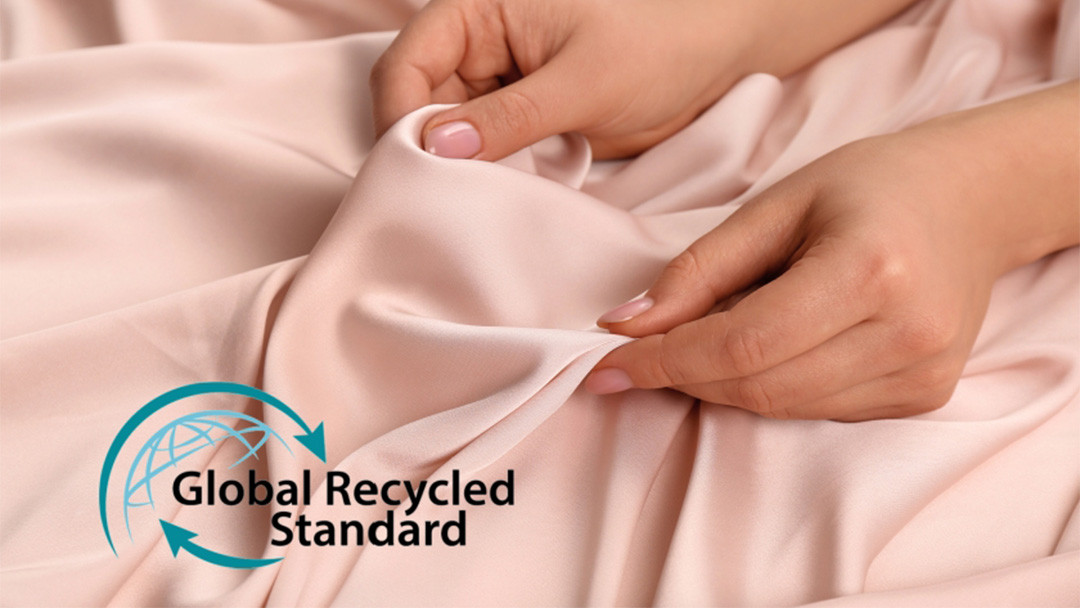
- GRS-Certified Recycled Nylon (Polyamide): Sourced from discarded industrial fishing nets and fabric scraps, regenerated nylon provides the exact buttery-soft texture and extreme durability of virgin nylon. It requires significantly less water and crude oil to produce, drastically lowering carbon emissions.
- Eco-Friendly Spandex (Elastane): Activewear requires stretch (typically 20% to 25% spandex). Utilizing premium elastane ensures that the garment maintains its squat-proof recovery and high-compression mapping without losing its shape over time.
2. Durability is Sustainability: The Construction Mandate
There is a harsh truth in the apparel industry: a garment made from 100% recycled materials is completely useless if the seams pop after two yoga sessions. The most sustainable garment is the one that rarely needs to be replaced.
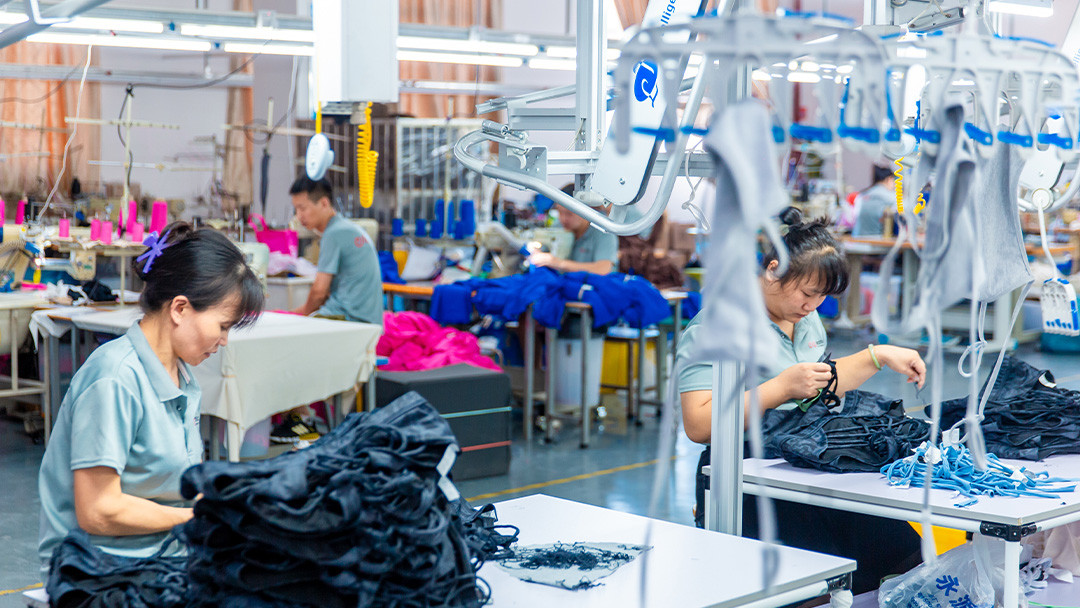
Creating long-lasting activewear requires rigorous industrial construction. It means utilizing 4-needle 6-thread flatlock machines calibrated for high-tension thread, preventing friction and seam blowouts. It also demands strict AATCC shrinkage testing before cutting. If the fabric isn't properly heat-set on a stenter frame, it will shrink in the consumer's washing machine, immediately ending up in the trash bin. Superior craftsmanship is the ultimate eco-friendly practice.
3. The Ultimate Eco-Metric: Eliminating Overproduction
The most polluting garment is the one that never sells. Traditional mega-factories force brands into ordering 2,000 to 5,000 pieces per style just to turn their machines on. This outdated model forces brands to over-project demand, resulting in thousands of unsold units rotting in warehouses.
At Call The STYLE, we approach sustainability through the lens of agile supply chain mechanics. We have engineered our production lines to support a strict Minimum Order Quantity (MOQ) of 100 pieces per style and color.
This specific, manageable MOQ allows brand founders to pilot new eco-friendly collections, test market demand, and generate absolutely zero deadstock waste. Once a product proves successful, our industrial capacity scales immediately to handle thousands-unit restocks. You only produce exactly what your community buys.
4. Supply Chain Density: Shrinking Your Carbon Footprint
Shipping raw yarn from one country, knitting it in another, and sending it across the ocean for sewing generates an astronomical carbon footprint. The geographical location of your manufacturing partner directly impacts your environmental compliance.
By operating our entire infrastructure in Dongguan, China, we exploit unmatched supply chain density. The yarn extruders, the dye houses, the fabric mills, and our custom cut-and-sew assembly floors are all located within a tight regional radius. This localized ecosystem slashes transportation emissions and significantly accelerates lead times.
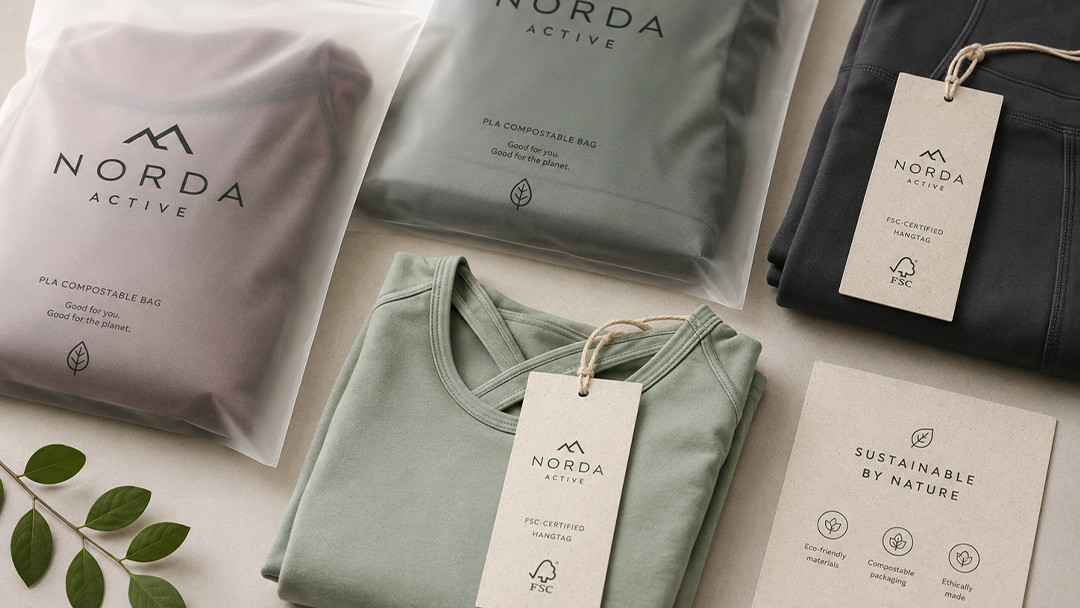
5. Closing the Loop: Eco-Friendly Packaging and Private Labeling
If you deliver a recycled nylon sports bra wrapped in a single-use virgin plastic polybag, the consumer will immediately question your brand's integrity. Sustainable activewear production must include the final presentation:
- Compostable Shipping Bags: We utilize PLA/PBAT bio-plastics that break down naturally in commercial composting facilities, leaving no microplastics behind.
- FSC-Certified Trims: All custom hangtags and branded paper goods are sourced strictly from responsibly managed forests (FSC certified) and printed with non-toxic inks.
The 30-Day Sustainable Transition Blueprint
Transitioning your brand does not have to paralyze your operations. Follow this procurement checklist to ensure a seamless shift:
- Phase 1 (Material Audit): Submit your current tech packs. Compare your virgin fabrics against GRS-certified Recycled Nylon/Spandex blends to ensure no loss of stretch recovery.
- Phase 2 (Compliance Check): Secure physical documentation. Your manufacturing partner must be able to provide GRS transaction certificates to verify the recycled origins of the fabric.
- Phase 3 (Zero-Waste Piloting): Do not over-order. Utilize a 100-piece MOQ per style/color to test your new sustainable line in the market before committing to massive seasonal inventory.
Transitioning to a traceable, eco-friendly activewear line requires precision engineering and an agile supply chain. If you are ready to build a genuinely sustainable brand without the risk of overproduction, our textile experts are ready to review your tech packs.
SUBMIT YOUR TECH PACK