Don't Get Fooled by "Cheap" Manufacturing: Why Agile Supply Chains Win
Every sourcing season, brand founders come to us with a spreadsheet. They point to a quote from a mass-production factory overseas and say, "They can make this yoga pant for $3 less per unit than you. Why shouldn't I go with them?"
Our answer is always the same: Because that $3 saving will cost you your entire business.
The apparel industry is filled with illusions. Founders often obsess over the FOB (Free On Board) unit price while completely ignoring the actual Landed Cost and, more importantly, the cost of dead inventory. Traditional factories operate on an outdated model: they offer dirt-cheap labor, but in exchange, they hold your cash hostage through massive minimums and agonizingly slow lead times.
At Call The Style, we don't compete in a race to the bottom. We operate an Agile Supply Chain designed for modern, high-growth activewear brands. Let's do the math and look at why "cheap" manufacturing is actually the most expensive mistake you can make.
The MOQ Trap: Dead Stock is a Silent Killer
How does a factory offer a shockingly low unit price? By forcing you to buy a massive amount of fabric. Traditional cheap factories usually demand an MOQ (Minimum Order Quantity) of 3,000 to 5,000 pieces per style/color.
Let's do the math. If a factory charges $8 per legging, but requires 3,000 pieces, you have to wire them $24,000 upfront for just one style in one color. What happens if the market shifts? What if your customers don't like that specific shade of green? That $24,000 turns into "dead stock" sitting in your warehouse. You will eventually have to sell it at a massive discount (markdown), destroying your profit margin and brand value.
💡 The Agile Advantage: Cash Flow Protection
An agile manufacturer prioritizes your cash flow. At Call The Style, our MOQs start as low as 100-300 pieces per color. You might pay $11 instead of $8 per unit, but your total capital risk is only $1,100. You can test 5 different styles in the market for the same price it takes to test just ONE style with a cheap factory. You only reorder what actually sells.
Lead Times: The Cost of Missing the Trend
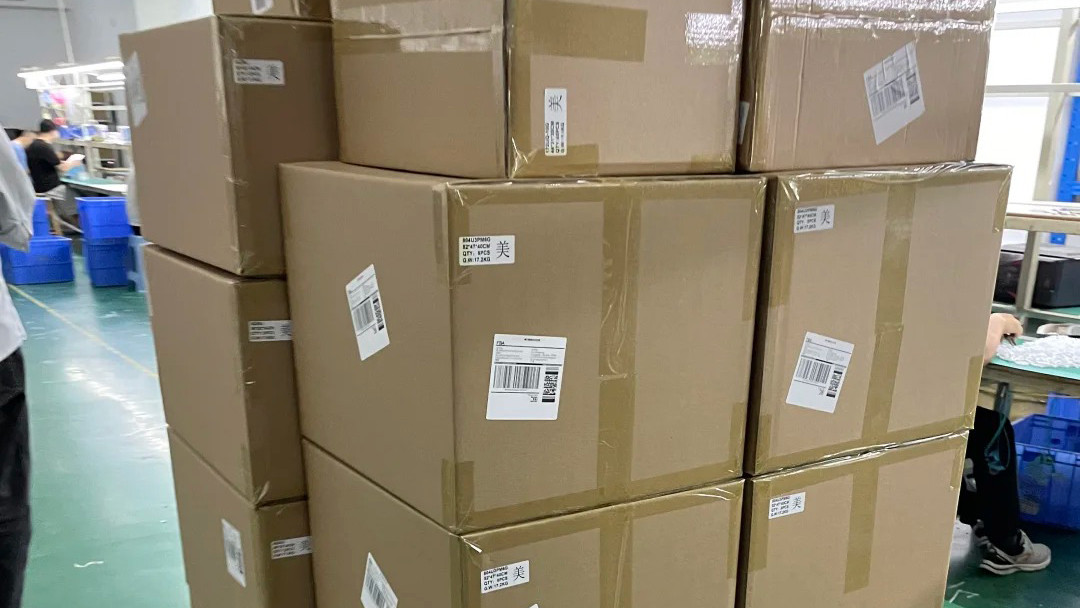
Low-cost mass production facilities are slow. They prioritize mega-brands ordering 100,000 units. If you are an independent brand, your order will be pushed to the back of the line. It is common to experience lead times of 120 to 150 days (4-5 months) from deposit to delivery.
In today's activewear market, trends move fast. If a specific "Quiet Outdoor" style or viral color goes trending on TikTok, you need it in your store now, not in 5 months. By the time your cheap shipment arrives, the trend is dead, and you are forced to discount.
The Agile Solution: We operate on speed and reaction. Because our production lines are flexible, our standard bulk production lead time is 30 to 45 days. When you hit a winning product, we can replenish your inventory before your customers even realize you were sold out.
Quality Control: The Nightmare of High Return Rates
You cannot buy premium quality for a bottom-barrel price. Cheap factories cut corners to maintain their margins. They skip the fabric relaxing process (leading to shrinkage), use cheap threads (leading to burst seams), and only perform random sampling (AQL 2.5) instead of checking every garment.
If you save $3 on manufacturing but suffer a 15% return rate because the leggings are not "squat-proof," the cost of return shipping, refunded orders, and lost customers will bankrupt you. (Curious about how we prevent this? Read our Beyond AQL 2.5: The 5-Step Quality Control Process.)
📊 The True Cost Breakdown: Cheap Mass Production vs. Agile Sourcing
| Business Metric | The "Cheap" Factory | Call The Style (Agile) |
|---|---|---|
| Unit Price | Lower (e.g., $8) | Slightly Higher (e.g., $11) |
| Required MOQ | 3,000+ pieces/color | 100 - 300 pieces/color |
| Upfront Capital Risk | $24,000 (High Risk) | $1,100 (Low Risk) |
| Production Lead Time | 120 - 150 Days | 30 - 45 Days |
| Dead Stock Probability | Very High | Almost Zero |
Conclusion: Stop Competing on Price, Start Competing on Agility
If your entire business model relies on finding the cheapest factory in the world, you will always be out-competed by fast-fashion giants like Shein. Independent activewear brands win by offering premium quality, reacting fast to community feedback, and keeping cash flow healthy to invest in marketing.
By partnering with an agile manufacturer like Call The Style, you are not just buying garments—you are buying the ability to pivot, scale rapidly, and never get trapped with a warehouse full of unsold stock. (Want to make sure your first test order goes perfectly? Check out our Guide on Avoiding Fatal Tech Pack Mistakes.)

Ready to Build a Smarter Supply Chain?
Stop tying up your capital in high MOQs. Partner with Call The Style for premium quality, fast turnarounds, and flexible orders that let your brand scale safely.
GET A FLEXIBLE QUOTE TODAYFrequently Asked Questions (FAQ)
Q: What is the difference between a cheap factory and an agile manufacturer?
A: Cheap factories focus solely on driving down the unit price by enforcing massive MOQs (e.g., 3000+ pieces) and slow lead times. Agile manufacturers focus on speed, high quality, and low MOQs (e.g., 100 pieces), allowing brands to test markets quickly without dead stock.
Q: Why is MOQ (Minimum Order Quantity) so important?
A: High MOQs tie up your cash flow. If you order 3,000 units of a style that doesn't sell, you lose your capital. A low MOQ lets you order 100 units, test customer demand, and only reorder the winners.
Q: Why do cheap overseas factories take so long to deliver?
A: Mass-production facilities prioritize multi-million dollar orders from global conglomerates. Independent brand orders are pushed to the back of the queue, often resulting in 4-to-5-month lead times. Agile supply chains have dedicated lines for fast turnarounds.
Q: Does Call The Style offer flexible MOQs?
A: Yes. We specialize in working with high-growth activewear brands. We offer flexible MOQs starting as low as 100 to 300 pieces per color, helping you launch new collections with minimal capital risk.